A new ITV drama on the infected blood scandal, titled Bad Blood, risks overlooking Scottish victims, with early indications suggesting the cases portrayed will all be from south of the Border.
The UK infected blood scandal remains one of the most damaging episodes in the history of healthcare. Thousands of patients – including 3,000 in Scotland – were given blood or plasma from the US infected with illnesses such as HIV and hepatitis C.
Many of those infected later died, and thousands more were left with lifelong chronic health conditions. Two inquiries have been held, but justice and fair compensation for those affected has been slow and, in some cases, inadequate.
Scots fear their plight is ignored
Some Scots affected by the scandal fear their plight has been ignored by the producers of the new drama. Early indications are that the victims portrayed will all be south of the Border, leaving a large part of the story untold. This is an unfortunate omission by the producers of the new series.
Victims are hopeful the drama could have a similar impact to Mr Bates v The Post Office, which shone a light on the Horizon computer system scandal that saw postmasters up and down the country wrongly convicted of theft.
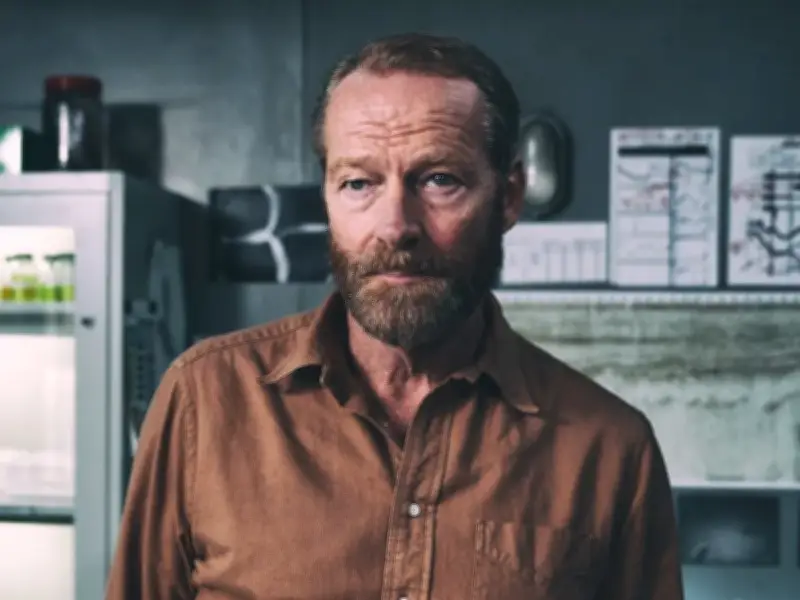
Scottish actor Iain Glen has a lead role in Bad Blood, which is produced by Amazon Prime.
Drama could spark demands for justice
Scottish victims should take heart from the fact the programme is likely to put the infected blood scandal right back to the top of the political agenda.
Like Mr Bates v The Post Office, it could well spark widespread public demands for justice for those affected. Scots whose lives have been destroyed by this scandal have waited too long already.
Union concerns over public body revamp
Separately, Roz Foyer – who heads up the STUC – speaks out today on the SNP government’s planned revamp of public bodies.
Councils, quangos and health boards are all in line for a major shake-up, designed to save money, avoid job duplication and get more investment in frontline services.
Workers are rightly concerned that the move could lead to job losses and changes to contracts. There could also be knock-on effects on the services provided to the public by these agencies.
Trade union bosses have every right to speak up on behalf of their members if they think jobs are under threat. But it would be wrong of the trade union movement to simply reject the changes out of hand.
First Minister John Swinney is right to point out that councils, quangos and health boards require major improvements. Public sector workers need to be part of that change, not a block on necessary progress.