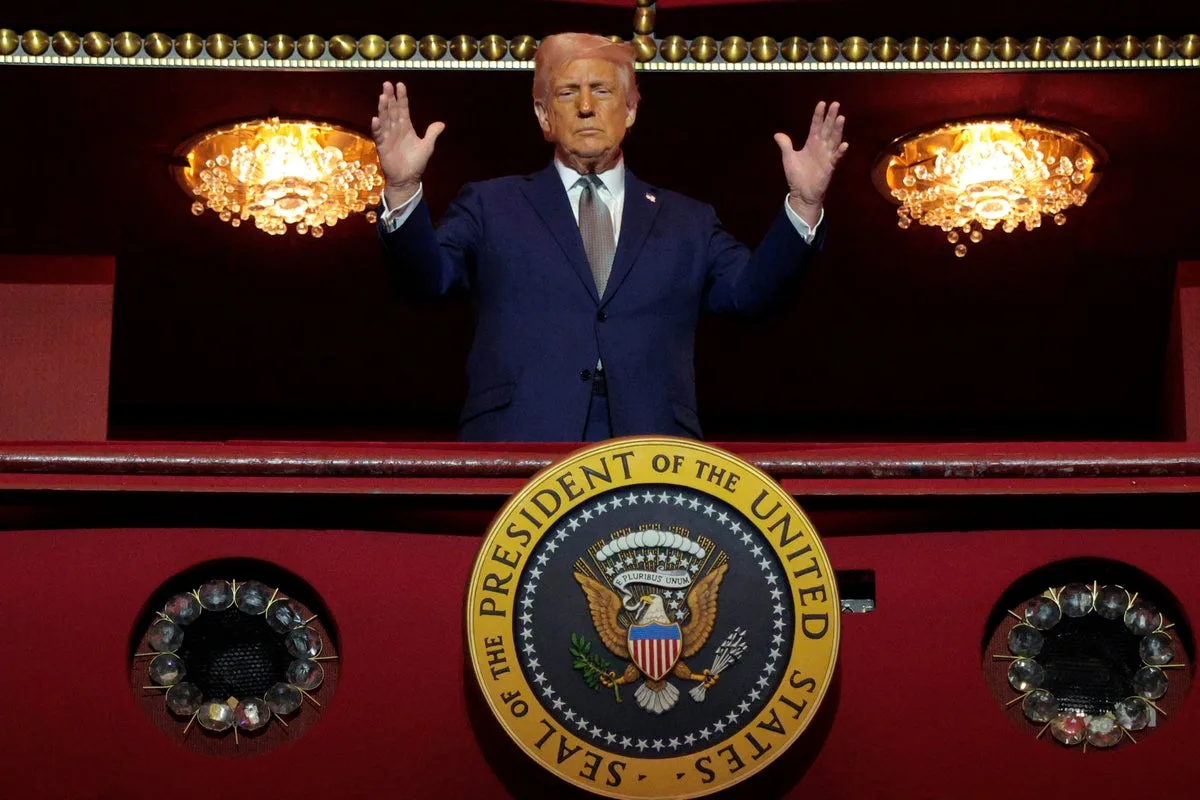
The Washington National Opera has announced it will leave the John F. Kennedy Center for the Performing Arts, marking the latest significant upheaval since President Donald Trump became involved with the venue. The company, which has called the Kennedy Center home since 1971, said its board of trustees voted to seek an amicable early termination of its affiliation agreement and resume operations as a fully independent nonprofit entity.
All upcoming performances will be moved out of the Kennedy Center's 2,364-seat Opera House, with the company looking for new venues in Washington, D.C. No leases have yet been signed. The centre was recently renamed the Trump Kennedy Center in a move described as potentially illegal.
A spokesperson for the Trump Kennedy Center said the decision to part ways was due to a "financially challenging relationship" and that it represented "the best path forward for both organizations". The opera company, however, said support previously provided by the venue had been eliminated, and productions would now be required to be fully funded in advance. It noted that opera companies typically cover only 30-60% of costs through ticket sales, with the remainder coming from grants and donations that cannot be secured years ahead when productions must be planned.
Artistic director Francesca Zambello said she was "deeply saddened" to leave, describing the centre as a "national monument to the human spirit" that had been an inviting home for artists and opera lovers. She added that the company remains committed to its mission and artistic vision as it explores new venues.
The departure follows several artist withdrawals since Trump's takeover. Jazz group The Cookers cancelled New Year's Eve performances, with saxophonist Billy Harper citing "overt racism and deliberate destruction of African American music and culture". Artists including Issa Rae, Peter Wolf, and Lin-Manuel Miranda have also pulled out of Kennedy Center events.