Trump's Culture War Puts US Museums in Peril as Funding Cuts Bite
US Museums Face Crisis Under Trump Funding Cuts

As the United States prepares to celebrate its 250th birthday in 2026, the very institutions tasked with safeguarding its history are confronting a profound crisis. A combination of sharp federal funding cuts, declining visitor numbers, and intense political pressure from the Trump administration is pushing American museums into uncharted and perilous territory.

A Sector in Reverse: Survey Reveals Sobering Decline

A major survey conducted by the American Alliance of Museums (AAM) in July and August 2025 has laid bare the sector's fragile state. The data shows a recovery from the Covid-19 pandemic not just stalling, but actively reversing. Only 45% of the 511 museums surveyed reported attendance at or above their 2019 pre-pandemic levels, a drop from 51% in 2024.

Financially, the picture is equally bleak. Just over half (52%) reported a stronger financial position in 2024 compared to pre-pandemic times, a decline from the 57% who reported improvement in 2023. Meanwhile, more than a quarter are now in a weaker position. Natanya Khashan of the AAM described the findings as "sobering news," pointing to "growing instability across the museum field."

The Direct Impact of Political Pressure and Lost Grants

The influence of the Trump administration is being felt directly and acutely. The AAM survey found that 34% of museums suffered the cancellation of government grants or contracts, with a median loss of $30,000. Key funders like the Institute of Museum and Library Services (IMLS), the National Endowment for the Humanities, and the National Endowment for the Arts have withdrawn support.

For institutions that lost this crucial funding, the consequences are severe: 35% had to delay facility improvements, 28% cancelled public programmes, and 24% cut educational outreach for students, rural communities, and veterans. Critically, 67% reported that this lost funding has not been replaced by other donors or foundations.

One high-profile casualty is the Berkeley Art Museum and Pacific Film Archive (BAMPFA). In April 2025, it learned that two federal grants totalling $260,000 for conserving a major collection of African American quilts had been cancelled. Executive director Julie Rodrigues Widholm called the move "devastating" and "unprecedented," noting the grants were axed because they "no longer aligned with American priorities." While media coverage eventually helped secure replacement funding, Widholm warns it is "a very tough moment" for philanthropy in the US.

A Chilling Effect on Storytelling and American Identity

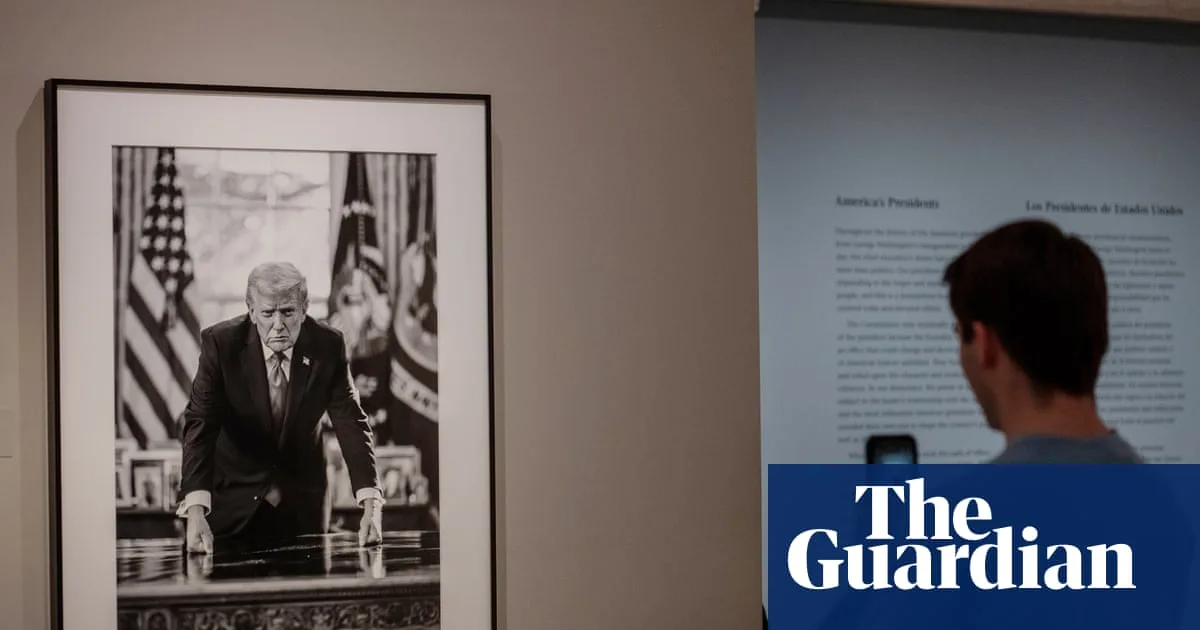
Beyond the balance sheets, museum leaders report a climate of fear and self-censorship. The Trump administration has aggressively sought to reshape institutions like the Smithsonian to fit a nationalist, "anti-woke" agenda. This has led to the resignation of Kim Sajet, director of the National Portrait Gallery, and prompted federal officials to demand extensive reviews of exhibition content.

Marjorie Schwarzer, a noted museum historian, argues this direct political targeting is alien to the sector. "Museums are focused on their mission and the public trust... They are not used to having to think about one individual who's the president," she states, calling the pressure "out and out bullying."

Even institutions without federal funding feel the ripple effects. Raymond Doswell, executive director of the Greenwood Rising museum in Tulsa, Oklahoma—which tells the story of the 1921 Tulsa Race Massacre—notes that corporate donors are now "very concerned about the language of diversity." He predicts the 250th anniversary will become a battle between "truth and propaganda."

Stephen Reily, former director of the Speed Art Museum, warns of a "trickle-down wariness of controversy" that could push museums to become "watered down," thereby exacerbating their existing challenges with attendance and relevance.

Looking Ahead: A Threatened Legacy of Innovation

As the nation approaches its semiquincentennial, the outlook remains fraught. Museum leaders anticipate further disruptions from inflation, financial instability, and continued government disengagement. Marjorie Schwarzer warns that the loss of federal funding, which has historically jumpstarted periods of innovation—like the expansion of children's programmes and community exhibits after the 1970s bicentennial—will stifle progress.

The United States now risks losing its leadership edge in the international museum community, she cautions, a decline that mirrors similar pressures in academia and journalism. The coming year will test whether these vital custodians of American history can withstand the political and financial storms and continue to tell the nation's full, complex story.