Rare Hindu Artworks Barred from Export in Bid to Keep Them in the UK
A stunning collection of 56 vibrant Hindu paintings, valued at £280,000, has been prevented from leaving the United Kingdom after the government imposed an export bar. The decision, announced by the Department for Culture, Media and Sport (DCMS), concerns the 'Devi Mahatmya' series, which illustrates the story of the Divine Mother in Hinduism.
An Irreplaceable Cultural Treasure
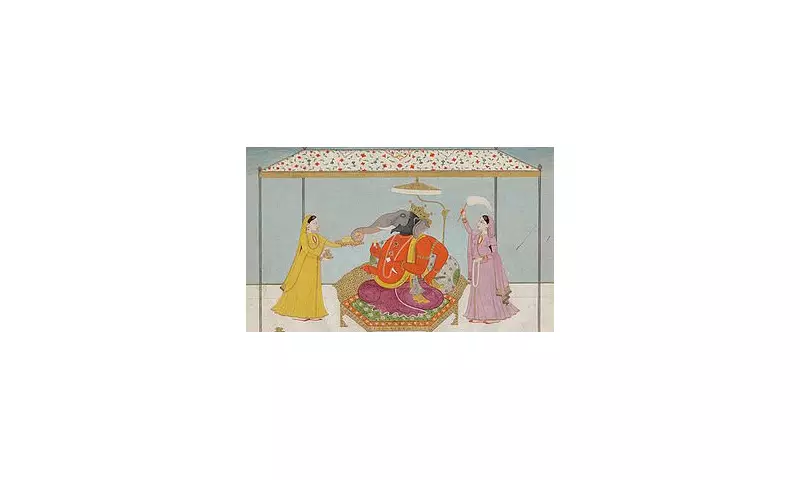
The near-complete series of 200-year-old artworks is considered unparalleled in the UK. The 56 paintings use gold and silver paint to depict a crucial Hindu narrative, with scenes ranging from serene worship and courtly life to ferocious battles. One painting, believed to be unique to this series, shows the defeated gods Vishnu and Shiva appealing for help.
A spokesman for the DCMS emphasised that no other comparable series survives in the country. The paintings are not only a spectacular artistic achievement but also a significant reminder of the cultural connection between the UK and the Punjab region.

A Chance for Research and Celebration
The temporary export bar has been put in place to provide a UK gallery or institution with the opportunity to acquire the paintings for the nation. This would allow for in-depth study of this specific genre of work and enable the pieces to be enjoyed by the public.
With over a million Hindus residing in the UK, the acquisition of the Devi Mahatmya would present a vital opportunity for their culture to be both researched and celebrated on a national stage.
Culture Minister Baroness Twycross stated: 'This series is not only beautiful, but unique in the UK. With no other near-complete similar narratives existing in our country, it's vitally important we take the chance now to keep this series in the UK and allow researchers crucial time to unlock its secrets.'
The move follows official advice from the Reviewing Committee on the Export of Works of Art and Objects of Cultural Interest (RCEWA). Committee member Pippa Shirley described the works as 'jewel-like paintings' where an epic unfolds, showcasing the Devi in her many forms. She highlighted their importance as a powerful statement of divine female power and their remarkable completeness, which offers insights into artistic workshops and devotional practices from the colonial period.