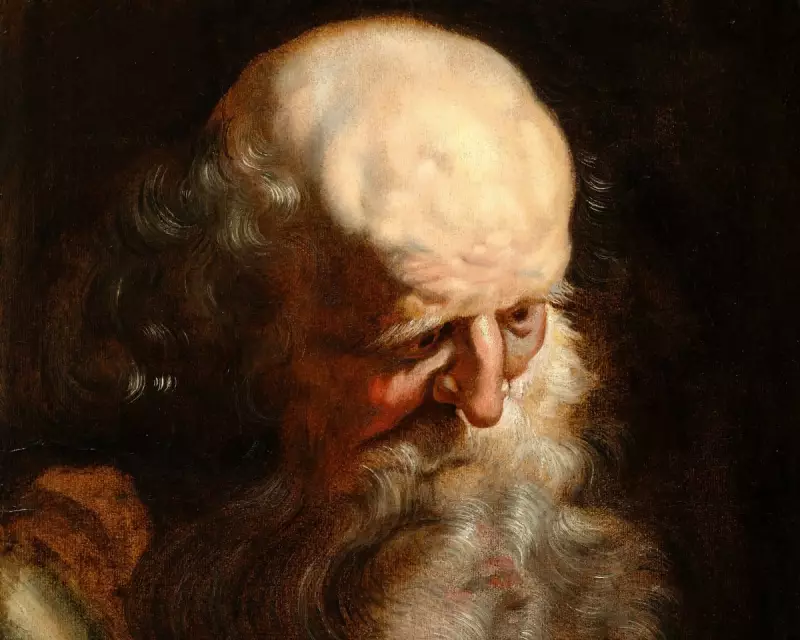
A remarkable art discovery has emerged from Belgium, where a painting purchased on a hunch at an online auction has been authenticated as a rare, two-in-one study by the Flemish Baroque master, Peter Paul Rubens.
The Auction Gamble That Paid Off
Three years ago, Brussels-based art dealer and Rubens enthusiast Klaas Muller took a chance on an artwork listed merely as a study by an anonymous master of the Flemish school. The auction house, which Muller has kept unnamed to avoid future competition, had no idea of the work's true provenance. Muller paid what he describes as a reasonable price of less than 100,000 euros, driven by a strong feeling that the piece was 'very Rubens-esque'.
"I wasn't sure it was a Rubens," Muller admitted, "so it was still a gamble." His confidence grew when the dirty but well-preserved painting arrived at his home, revealing what he immediately recognised as work of extremely high quality.

Authenticating a Baroque Masterpiece
The crucial authentication came after several months of study last year by esteemed art historian Ben van Beneden, former director of the Rubens House in Antwerp. While cautioning that studies were working materials not made for the market, van Beneden confirmed the outstanding craftsmanship and lifelike quality pointed strongly to Rubens.
The study depicts a bearded old man, a model who appears frequently in Rubens's major works. He is Saint Amandus in The Raising of the Cross in Antwerp Cathedral, King Melchior in The Adoration of the Magi in Madrid's Prado Museum, and a Pharisee in The Tribute Money in San Francisco. Experts believe Muller may have found the lost prototype study for this oft-used figure.
The Hidden Portrait Beneath the Beard
The most fascinating twist is the painting's dual nature. The sheet of paper was reused by Rubens. Beneath the old man's bushy beard lies the earlier silhouette of a young woman's head with flowing locks and braids, visible when the work is turned over. This was not an intentional optical illusion but a pragmatic reuse of materials, a common practice for studies.
This discovery adds a significant piece to the understanding of Rubens's working process. The artist, inspired by Italian painters, compiled a library of facial studies to use in his large-scale compositions.
The painting is currently in Muller's home but will be unveiled to the public at the Brafa art fair in Brussels on 25 January. Muller hopes a museum will agree to a long-term loan, believing the study deserves a wide audience. Given that Rubens studies have recently fetched between £500,000 and £1 million or more at auction, Muller's insightful gamble has proven to be a masterstroke.