Pulling my shirt over my head and throwing it on the sand, I ran on the beach alongside my mates, laughing. It was an ordinary moment made extraordinary by the overwhelming joy I felt – not just because I was in the Canary Islands, on holiday with my pals back in 2024. But because I was topless – like my male friends usually are when playing football – and I finally felt one of the boys. I had been waiting patiently for this one moment, and the freedom I felt was indescribable. To play football with the lads – to be one of them– was euphoric.
Because, while I’ve played football with the boys before, this was my first time doing it since my top surgery. With still-fresh scars on my chest shining in the sun, I kicked the ball in the air and basked in this perfect moment. It’s a moment that stuck with me, and it will be with me forever.
Early Struggles with Gender and Sport
But I didn’t always feel comfortable playing sports. As a 6 year old girl, I played football in the Little League in Colliers Wood, in South London and I was the only girl on the team. I would run around yelling ‘I’m a boy, I’m a boy!’ in the playground at school, so I already felt different about myself. But I wasn’t taken seriously. In fact, they underestimated my skills and put me in defence – a position that kids rarely wanted to be in, since it felt like they were putting the ‘worse’ players at the back. As a stubborn little kid, I thrived to prove them wrong, and they ended up putting me up front as the main goalscorer. But as the only girl on the team, I felt like the odd one out.

I did love playing the game, though – but by the time I went into secondary school, there wasn’t any funding for football and my interest disappeared alongside the school’s budget.
Finding Acceptance in Rugby
Sports didn’t stick as an interest, until I got into Nottingham university in 2018, and joined the women’s rugby team. Having never played rugby before, I had to make up for what I lacked in skill, in physicality instead – so I quit smoking and hit the gym. My whole lifestyle completely changed. And I was willing to make these changes because, unlike when playing football as a child, women’s rugby felt different. Most of the women were queer, and incredibly welcoming of me and my expression. I still presented as a woman, but I was becoming more masculinised, and luckily, in rugby, muscles were coveted. I had been told my whole life that I was a bit too much of a brute for a girl, that I wasn’t aware of my own strengths, that I needed to be more feminine. And then I found this sport where, actually, it was a good thing to have broader shoulders and tackle other people. For the first time in my life, my more masculine features were a good thing.
Soon, I went from never playing rugby before to, in a couple of years, being vice president of the team. It completely changed my relationship with fitness.
Transition and Top Surgery
But during this whole journey, I was still in the process of coming to terms with my gender identity and wanting to come out. In 2022, I started to question my gender and as time went on, I started to use different pronouns. The only person I ever came out to was my mum, two weeks before I started testosterone. She accepted it straight away and said the signs were always there. Then on 23 October 2023, I finally had top surgery. The years of wearing uncomfortable sports bras were finally behind me.
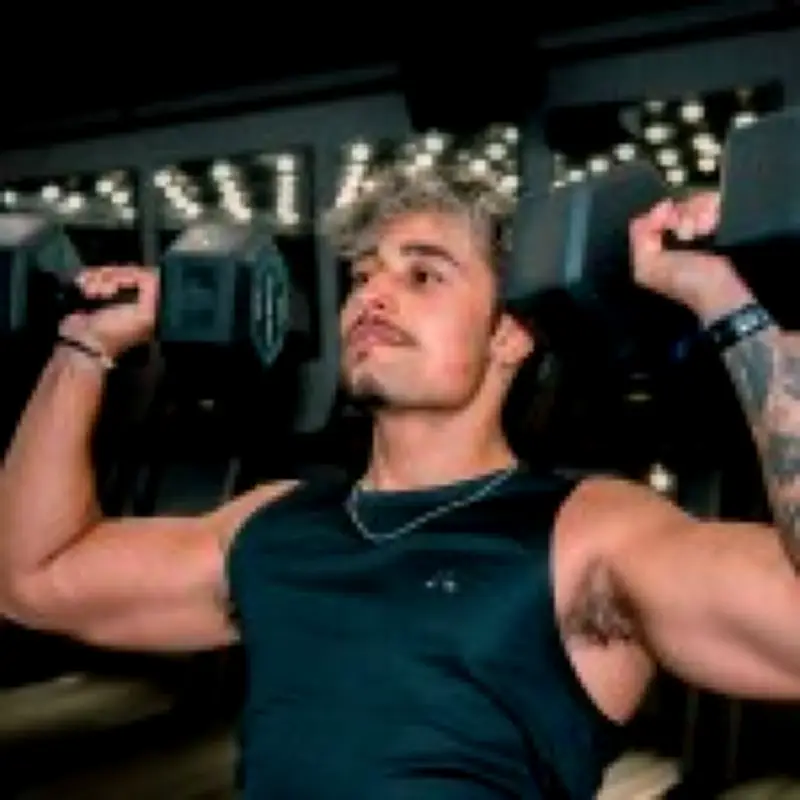
But I still had one thing to contend with – being trans in fitness was no easy feat. I left rugby behind after graduating from university in 2022 and didn’t join another team because I felt like I was going to transition into a man. But I kept going to the gym – it became my sport and my safe haven.

Creating Safe Spaces for Trans People
It wasn’t until 2025, when I became tired of the corporate world, that I decided to follow my passion and become a personal trainer. I now run a freelance personal training business, where I centre trans and queer people, giving them the space to connect with their bodies. It isn’t easy – a lot of trans people have quite complex relationships with their bodies, and a gym environment, which can exude toxic masculinity, feels unsafe. Also, the media’s demonisation of trans people – talking about bathrooms and who is or isn’t allowed in sports – can create fear. And even with football, when the FA says trans people aren’t allowed to compete in the sport as themselves, people are going to feel like you are not allowed to participate at a grassroots level.
I want to change that. I want trans people to feel welcome in fitness spaces, to be allowed to take care of their bodies and go to the gym, or play a sport. Just how I felt, taking my top off and playing football with my friends, I want other trans people to feel free in their bodies.
As well as my business, I run the London section of the Misfits Lift Club for Not A Phase – a trans charity – which is a strength-focused gym session for trans and gender diverse people. There are no anxieties around bathrooms or judgement when everyone around you is trans.
Having these kinds of exclusive spaces is vital to the survival of trans people. People need to see that they are allowed and I want to show that they belong. Like me, running free, topless, I want all trans people to feel that freedom.
As told to Sharan Dhaliwal.