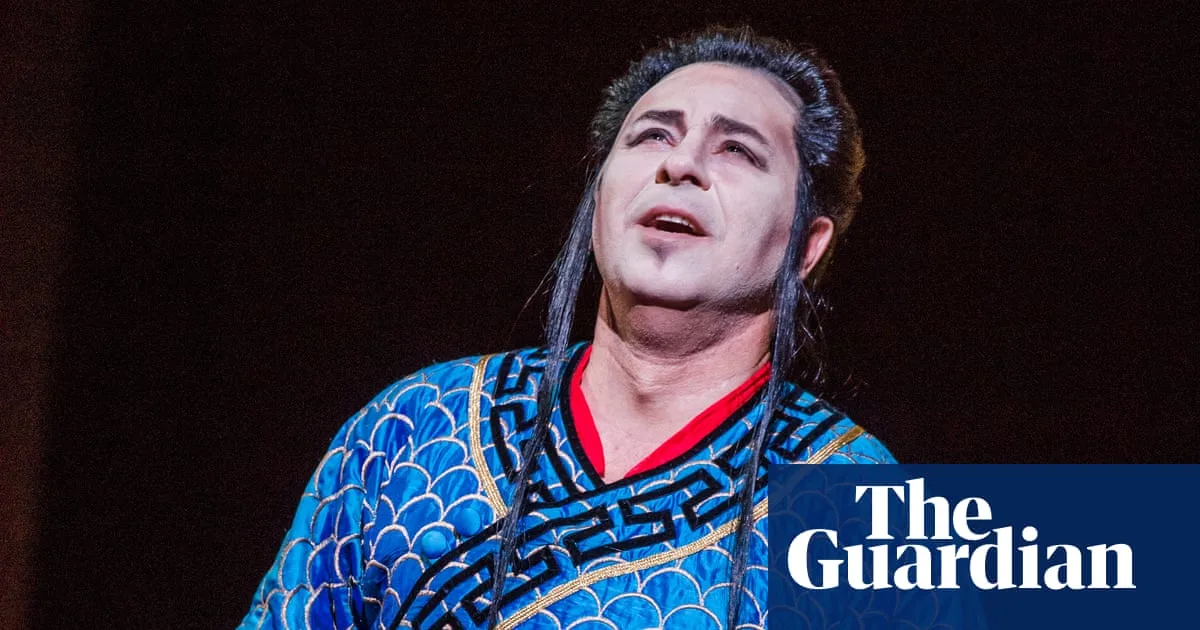
Audience members at the Royal Opera House booed a stand-in performer during a performance of Puccini's Turandot on Tuesday night, after the tenor Roberto Alagna fell ill and was unable to continue. The company's head of music, Richard Hetherington, sang from the wings while choreologist Tatiana Novaes Coelho acted the role on stage. However, the decision to omit the famous aria Nessun Dorma due to its technical difficulty drew disapproval from some in the audience.
Critics have expressed concern that such heckling is becoming more common in UK opera houses. While booing has a long history in opera, British audiences are generally more restrained than their Italian counterparts, according to opera historian Flora Willson. She noted that opera provokes more vocal reactions than spoken theatre, but booing is typically directed at singers performing demanding feats.
John Berry, former artistic director of English National Opera, said booing at singers is 'distasteful', particularly with social media amplifying audience dissatisfaction. He emphasised that singers are human and can lose their voice unexpectedly, making live performances inherently unpredictable.

Former Guardian columnist Martin Kettle remarked that booing can reflect passion for the art form but can also be 'boorish', reflecting a broader cultural trend of aggression seen on social media. He recalled an incident where a 12-year-old actor was heckled at the Royal Opera House, though the booing was drowned out by cheers.