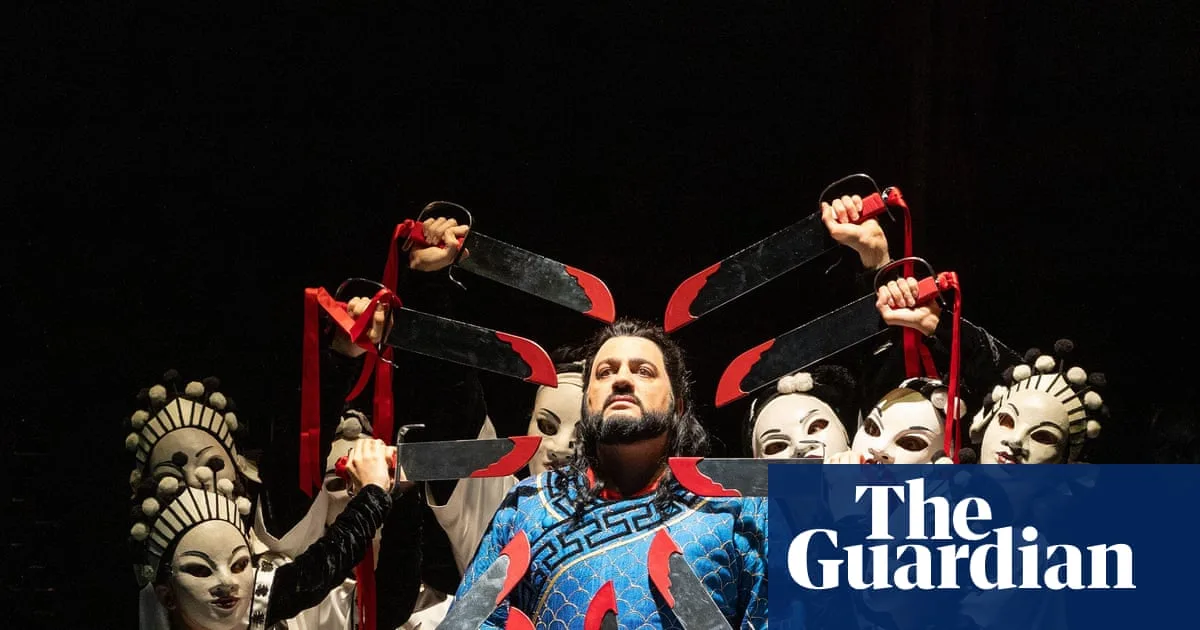
In an unexpected turn of events at the Royal Opera House, Richard Hetherington, the theatre's head of music, stepped in to sing the lead role of Prince Calàf in Puccini's Turandot after French tenor Roberto Alagna fell ill during Tuesday's performance. Alagna was taken unwell after the second act, forcing the show to adapt on the fly.
Hetherington, dressed in a jumper, chinos and trainers, performed from the wings while the show's choreologist, Tatiana Novaes Coelho, covered his steps in costume. The third act resumed without the iconic aria Nessun Dorma, which was omitted due to the circumstances. This led to some audience members booing, disappointed at missing the famous piece.
The Royal Ballet and Opera (RBO) later emailed audience members, explaining the “exceptionally rare situation” and offering them 50% of their ticket price in credit. A spokesperson said: “Roberto Alagna was taken unwell during yesterday evening’s performance of Turandot, which prevented him from completing Act III. We wish Roberto a swift and full recovery.”

Writer Kenan Malik described the event on X as “disappointing, dramatic and a strangely appropriate ending all at the same time,” praising Hetherington’s bravery. Hetherington has previous stage experience, having performed in Henze's Pollicino and other roles, but is not a trained opera singer.
The role of Calàf is highly specialised, and major opera houses typically do not have a cover standing by for every performance. This was the 19th revival of Turandot, Puccini's final opera, which was left unfinished at his death in 1924.