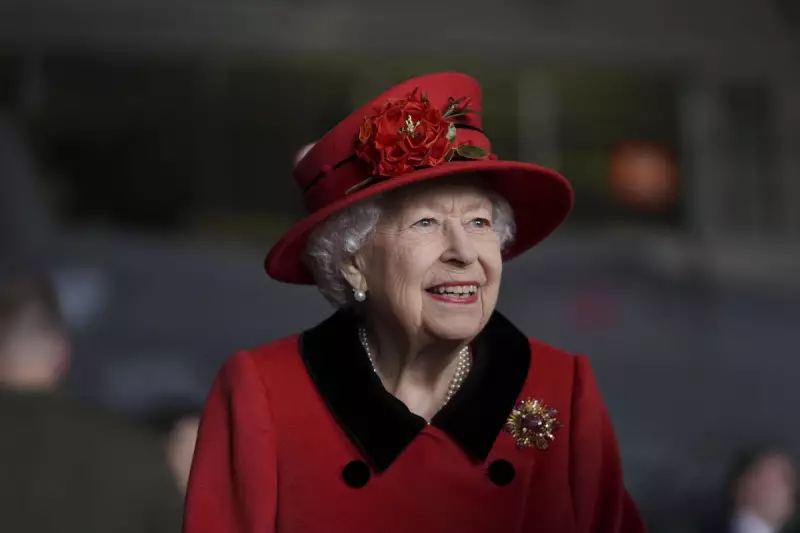
Final designs for a national memorial dedicated to the late Queen Elizabeth II are set to be revealed in April 2026, marking a significant departure from earlier concepts. The memorial, which will be situated in the heart of London's St James's Park, will centre around a standing statue of the monarch, created by renowned sculptor Martin Jennings.
A Shift from Original Plans
This approach represents a notable U-turn from initial proposals that had considered a horseback depiction of the Queen. The decision to opt for a standing figure aims to present a more personal and accessible representation of Her Majesty, reflecting her decades of service and connection with the public.
Key Features of the Memorial
The memorial complex, masterminded by the acclaimed architect Lord Foster, will incorporate several distinctive elements designed to honour the Queen's legacy comprehensively.

Central Statue and Companion Piece
Martin Jennings' primary statue of Queen Elizabeth II will be accompanied by a separate statue of her husband, Prince Philip, Duke of Edinburgh. This pairing is intended to symbolise their enduring partnership and shared dedication to royal duties over many years.
Additional Artistic Tributes
In a complementary installation, sculptor Karen Newman, known for her detailed work at Madame Tussauds, will contribute a tribute positioned along Birdcage Walk. Newman's piece seeks to capture the Queen's "strong and complex personality," offering a nuanced perspective on her character and reign.
Architectural and Landscape Elements
The memorial's design extends beyond statues to include innovative architectural features. A bridge within the site will be adorned with a unique tiara-shaped glass balustrade, a subtle nod to the Queen's iconic regalia. Surrounding this, a "family of gardens" with meandering pathways will provide a serene space for reflection and remembrance, inviting visitors to engage with the memorial in a contemplative manner.
Timing and Significance
The unveiling of the final plans in April is strategically timed to coincide with what would have been Queen Elizabeth II's 100th birthday. This alignment adds a layer of poignancy to the project, serving as a centennial tribute to her life and contributions to the nation.
The memorial in St James's Park is poised to become a focal point for public commemoration, offering a lasting testament to the Queen's reign in a central London location that holds historical significance for the monarchy and the United Kingdom.