Historic Bayeux Tapestry Loan Faces UK Road Hazard Threat
Plans for the Bayeux Tapestry's high-profile loan to the British Museum are encountering significant obstacles due to concerns about Britain's road infrastructure. French heritage experts have raised alarms that vibrations from poor road conditions, including potholes, could potentially damage the fragile 11th-century artefact during transportation.
Legal Challenge Over Transportation Risks
French conservationists have initiated a legal challenge against President Emmanuel Macron's championed plans to transport the priceless medieval work from its long-term home in Bayeux, Normandy, to London for a nine-month exhibition. According to documents obtained by The Telegraph, the conservationists specifically highlight the dangers posed by "vibrations and shocks" during the journey.
Experts from the French heritage organisation Sites and Monuments have detailed how jolts and bumps from road imperfections could generate destructive vibrations that risk tearing the delicate cloth apart. They reference a 2022 report that identifies "sudden changes in road level, surface holes, and other defects" as potential shock sources capable of causing irreparable damage to the historic textile.

Conservation Concerns and Expert Warnings
The president of Sites and Monuments emphasised that "if the roads are in poor condition, that is obviously not a good thing" for transporting such a fragile relic. He further explained that "the risks are those associated with handling the tapestry and the vibrations during a long journey" which "must be limited to the bare minimum."
This transportation controversy has attracted criticism from prominent figures in the art world. Renowned British painter David Hockney has previously condemned the movement plans as "madness" and "too big a risk," questioning why a museum that prides itself on conservation would gamble with "the most important art image of scale in Europe."
In an exclusive article for The Independent, Hockney warned that any movement of the tapestry's wool embroidery threads could lead to:
- Tearing of the delicate fabric
- Loss of historic stitching
- Distortion of the textile structure
Public Opposition and Museum Response
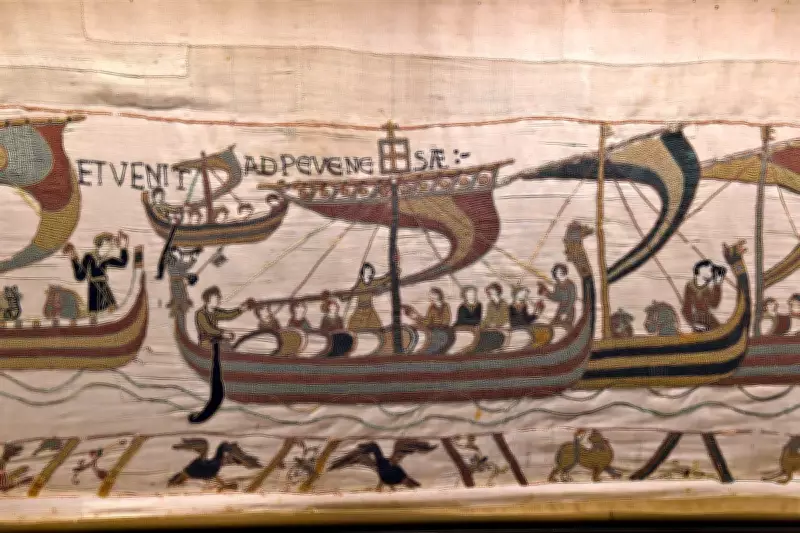
The movement plans have generated substantial public concern, with a petition started by art historian Didier Rykner in August gathering over 77,000 signatures protesting the decision to transport the tapestry to the UK. The 70-metre-long medieval relic, which depicts 58 scenes of the Norman Conquest and William the Conqueror's ascension to the English throne, represents an invaluable piece of European heritage.
Despite these concerns, the British Museum has stated that its conservation and collections management team possesses extensive experience in handling similar materials and is collaborating with French colleagues on the tapestry's display arrangements. The UK government has reportedly insured the artefact for £800 million during the proposed loan period, highlighting both its immense cultural value and the significant risks involved in its transportation.
As the debate continues, conservationists remain focused on the practical challenges of moving a thousand-year-old textile masterpiece across international borders while navigating Britain's deteriorating road network.