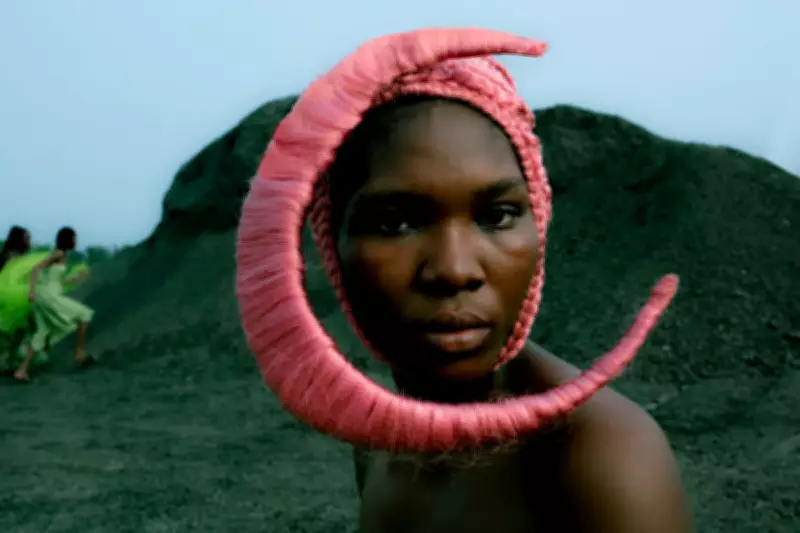
PhotoVogue Festival 2026: A Global Celebration of Women's Voices Through Photography
The PhotoVogue festival 2026, running from 1-4 March during Milan fashion week at the Biblioteca Nazionale Braidense, presents a compelling array of photographic works that explore the multifaceted experiences of women worldwide. The central exhibition, Women by Women, celebrates how women express and imagine themselves while confronting the growing fragility of their rights and visibility across different cultures and contexts.
Confronting Erasure and Celebrating Resilience
Several projects highlight the struggle against erasure and domination. Kiana Hayeri's No Woman's Land, Afghanistan documents life under a regime that has systematically erased women from public spaces. Her work focuses on restriction and resilience, showing quiet forms of defiance unfolding behind closed doors rather than reducing Afghan women to symbols of victimhood. Similarly, Bettina Pittaluga's She Saw Me series, photographing mostly women and LGBTQ+ individuals, explores themes of erasure through images built on trust between photographer and subject.
Redefining Femininity and Strength
The festival challenges traditional notions of femininity through powerful visual narratives. Keerthana Kunnath's Not What You Saw photographs female bodybuilders from south India who defy ideas that strength and muscularity are masculine. By removing them from gyms and situating them within recognisable Indian settings, sometimes styled in traditional clothing, Kunnath creates deliberate juxtapositions that confound easy categorisation.

Carla Rossi's Bellissima follows Rebecca, an 18-year-old aspiring model navigating Italy's beauty industry, exposing how media has manufactured and commodified female identity. Referencing the hyper-sexualised TV culture of the Silvio Berlusconi era, Rossi reveals beauty as staged, disciplined, and endlessly evaluated rather than natural.
Personal Narratives and Sacred Connections
Many photographers explore intimate personal relationships and spiritual connections. Magdalena Wosinska's Mama series is an eight-year meditation on care, photographing her mother through illness, fragility, and eventual death to reclaim a woman diminished by migration and invisibility. Delali Ayivi approaches womanhood as a sacred and generative force in Togo Family Ties, showing sisterhood as infrastructure rather than symbolism.
Elsa Hammarén examines the shifting terrain between photographer and muse in Andie, Darling, documenting her relationship with a young trans woman in Brooklyn. Clara Belleville's Girls captures women from her life in everyday moments, presenting them as they are without artifice.
Asian Perspectives and Cyborg Imaginations
The East and Southeast Asian Panorama section celebrates diverse artistic voices from the region. Jinyong Lian's Trust Me series features semi-fictional portraits of Asian women exploring self-doubt and emotional control. Zhang Ahuei creates poetic portraits in Lullaby of the Moon, taking viewers on a visual journey through sleep, silence, and memory with surreal symbolism.
Ramona Jingru Wang explores how images interrupt reality in My friends are cyborgs, but that's okay, while Lean Lui imagines a fictional island inhabited by girl cadets in military drills in White Barracks, using naval uniforms to symbolise discipline and imperial iconography.
Ukrainian Voices in Wartime
The Futurespective exhibition, in collaboration with Vogue Ukraine, showcases a new generation of Ukrainian artists grappling with conflict and identity. Daniel Vaysberg's Archive series, shot in Kharkiv and Berlin suburbs, questions how far one can move beyond their upbringing environment. Tania Shcheglova specialises in 'inner world portraiture' where subjects appear as multilayered beings inseparable from their environment.

Alina Prisich's work from the series Tatko (Dad), shot in the Carpathian village of Verkhovyna, examines the line between childhood and adulthood as a generation watches parents defend their country. Ira Lupu's Kseniya's Hair from the Spovid (Confession) series presents an intimate portrait of an internally displaced student, while Elena Subach weaves personal and collective histories in Grandmothers on the Edge of Heaven, questioning religion, tradition, and Soviet colonial legacy.
The PhotoVogue festival 2026 stands as a testament to the power of photography to document, challenge, and celebrate women's experiences across the globe, offering nuanced perspectives that move beyond stereotypes to reveal complexity, endurance, and defiant beauty.