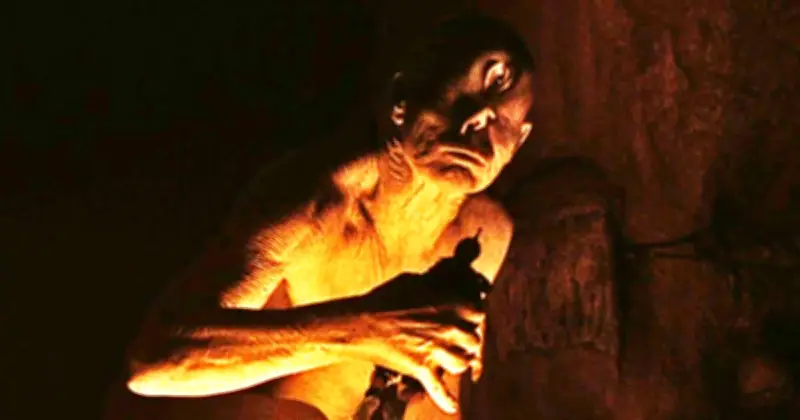
Homer's Odyssey, one of the world's oldest and most famous stories, has been brought to the big screen by Sir Christopher Nolan in a blockbuster adaptation that lands in cinemas today. Spanning a decade of wandering, the epic is filled with gods, monsters, and fantastical islands that can seem strange to modern audiences. To unpack its symbolism, ancient myth expert Jonathan Pageau shared exclusive insights with Brit Brief.
The Enduring Appeal of Exile and Return
Pageau explains that the Odyssey's survival as a pre-Christian classic stems from its core theme: returning home. "It has a parallel to the book of Exodus because it's a story of exile and return," he says. While the Iliad focuses on valor and glory in war, the Odyssey explores what happens when war ends—when a hero must navigate strange lands using trickery rather than conquest.
Why Seafaring Stories Captivate Us
Pageau draws a parallel between ancient mariners' tales and modern science fiction like Star Trek. "The story of space exploration has replaced what the seafarer story used to do—presenting idiosyncrasy, difference, and sometimes inversion as a foil to normality," he says. These encounters can be positive, showing peoples who are better than us, or negative, like cannibals or half-human monsters. "Moving out into the periphery, where you are not connected to your home, you encounter difference and strangeness in both positive and negative aspects."

The Symbolism of the Cyclops and Giants
The Cyclops represents monomania—"a single vision that lacks subtlety," Pageau says. The ancients saw it as a parasite on order and purpose, a monstrous version of single-mindedness. The theme of xenia (hospitality) is central: the Cyclops and other giants transgress hospitality, echoing stories like Jack and the Beanstalk or Sodom and Gomorrah.
Deadly Goddesses: Sirens, Circe, and Calypso
The sea itself carries feminine symbolism of temptation, drawing Odysseus away from his purpose. Pageau links this to Proverbs 5's "strange woman": "Her lips are as smooth as honey, but her feet go down into death." Calypso keeps Odysseus prisoner, using drugs to make him forget; the sirens are the ultimate temptresses, luring sailors to their doom. "Many of the places he stops represent excesses—the incapacity or unwillingness to go home, falling into forgetfulness and distraction."
Odysseus' Marriage Bed as Tree of Life
Though omitted from Nolan's film, the marriage bed is a key symbol. Odysseus builds it from a tree rooted in the land, and his reunion with Penelope on that bed represents the return of the king to his home. "His wife becomes his bed, becomes his home, becomes his land," Pageau says. "It all connects as a place where he finds rest."
Jonathan Pageau's Universal History Masterclass is available for registration.