National Theatre Director Sounds Alarm Over Dramatic Decline in New Stage Writing
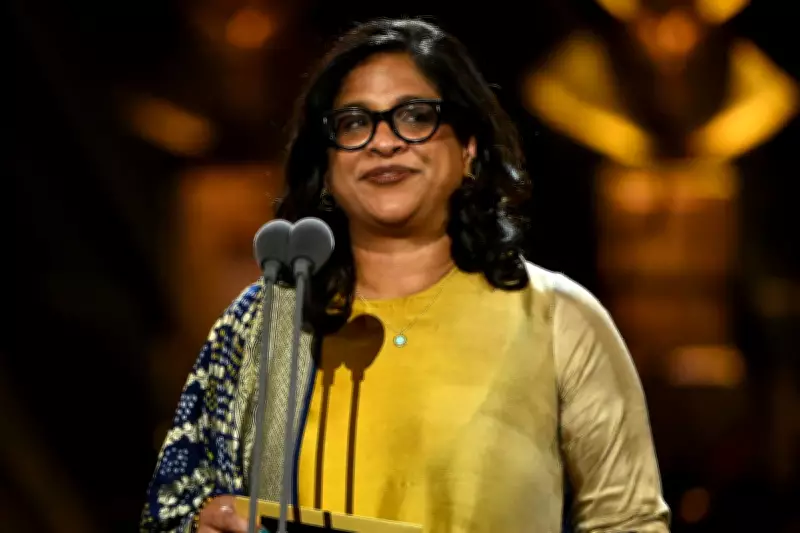
Indhu Rubasingham, the groundbreaking director of the National Theatre, has delivered a powerful warning about the perilous state of new writing for the stage. In a landmark address to industry leaders, she cautioned that failing to address this crisis represents nothing less than a betrayal of William Shakespeare's enduring legacy.
A Stark Warning About Cultural Contraction
Speaking during the prestigious Jennie Lee lecture at London's Dorfman Theatre, Rubasingham expressed profound concern about the diminishing diversity of voices appearing on British stages nationwide. "I fear for the decline in the volume and range of voices on our stages across the country," she stated with evident urgency. "I fear the effect this constricting and contracting pipeline will have when it hits our stages within the next decade."
The director, who made history last year as both the first woman and first person of colour to lead the National Theatre, framed the issue in stark historical terms. "Our failure to mark this moment as a tipping point risks our betrayal of the legacy, pride and heritage of this country – of our leading cultural influencer William Shakespeare, our national playwright."

Disturbing Statistics Reveal Worsening Trend
Rubasingham presented compelling new data from the National Theatre's New Work Department that quantified the alarming decline. Between 2014 and 2024, theatres accepting open submissions throughout the year have decreased by a staggering 70 percent. Even more concerning, new writing festivals have experienced a 76 percent reduction during the same period.
The geographical spread of this contraction reveals a nationwide problem. Outside London, new work on stages has fallen by 44 percent, while even within the capital there has been a significant 30 percent decline. "These numbers paint a stark picture," Rubasingham observed. "Anyone looking at this will conclude that new work is in crisis."
Broader Implications for Democracy and Imagination
The director framed the issue as extending far beyond theatrical concerns alone. "I believe these trends are the canaries in the coal mine, signalling a quiet warning about the approaching danger to our democracy, to free speech, to tolerance, to freedom of imagination." She emphasized that the National Theatre's privileged position with a dedicated New Work team has allowed it to maintain production levels, but this represents an exception rather than the rule.
Rubasingham made a personal commitment to safeguarding new writing during her tenure, but stressed that systemic change requires broader support. "Investing in the arts when money is sparse requires courage. Courage to act, because we recognise what lies ahead if we do not. Playing safe will be the end of us. If we are conservative in style, in content, in process, we might balance the books today, but we will kill the future of theatre."
Historical Context and Current Government Response
The lecture honoured Jennie Lee, the Labour politician who served as arts minister in the late 1960s and oversaw a more than doubling of government arts funding. "She understood that the arts were not just a luxury for the few, but for everyone," Rubasingham noted. "She saw them as a vital force for unity and for dialogue – even in a time of financial bleakness for post-war Britain."
This historical perspective comes as the current Labour government recently announced a £1.5 billion package to support cultural organizations over five years. Culture Minister Lisa Nandy indicated this investment would prevent the closure of more than 1,000 arts venues, museums, libraries and heritage buildings across England.
Wider Arts Sector Faces Similar Challenges
The funding concerns highlighted by Rubasingham extend well beyond theatre. Recent revelations that the National Gallery faces an £8.2 million deficit in the coming year have reignited debates about whether museums and galleries should maintain free admission policies. These parallel challenges suggest a broader pattern of financial strain across Britain's cultural institutions.

Rubasingham's warning represents both a diagnosis of current difficulties and a call to action for the entire arts sector. Her message underscores that supporting new writing is not merely about preserving theatrical tradition, but about maintaining the vital cultural conversations that define a healthy democracy.