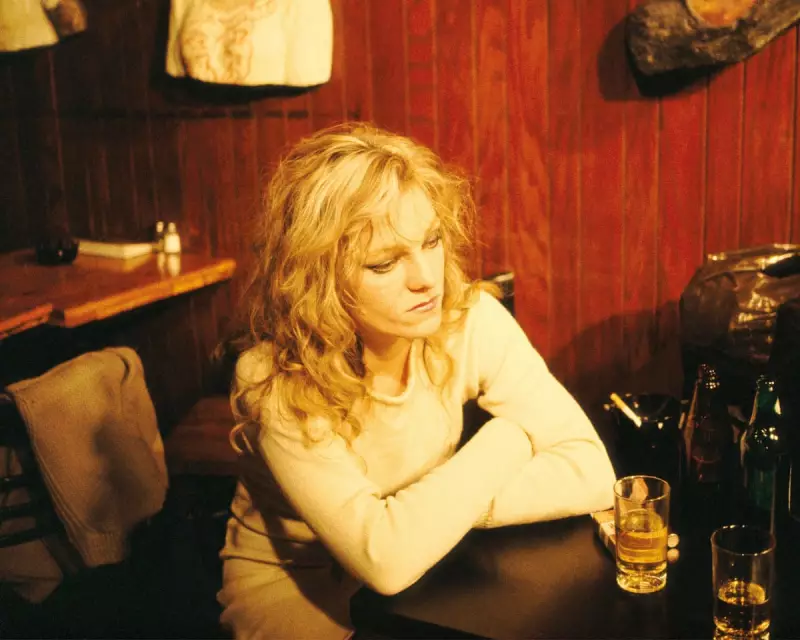
For the first time on British soil, the complete photographic series from Nan Goldin's genre-defining masterpiece, The Ballad of Sexual Dependency, is being presented to the public. The exhibition, running at Gagosian in London until 21 March, showcases all 126 images from the seminal work, created between 1973 and 1986.
A Visual Diary of a Lost Generation
Originally conceived as a slideshow set to an eclectic soundtrack, the Ballad first debuted in New York nightclubs before its formal publication as a photobook by Aperture in 1986. Goldin herself described the project as "the diary I let people read." The collection offers an unflinching, intimate exploration of gender, intimacy, and power within her immediate circle, capturing the "fearlessness and wildness" of New York's downtown scene before the devastating impact of the AIDS crisis.
"I took the pictures in this book so that nostalgia could never colour my past," Goldin reflects. "I wanted to make a record of my life that nobody could revise." The images serve as a powerful, unsentimental document of a specific time and community, one that Goldin states was never marginalised in its own eyes. "We were the world. We were our own world," she asserts.

Love, Addiction, and Lasting Legacy
Central to the work is its raw examination of human relationships. Goldin probes the intense, sometimes destructive, need for connection, famously noting that "love can be an addiction." She draws a parallel between the craving for love and the stimulation of the same part of the brain affected by heroin or chocolate. The photographs, born from deep personal relationships rather than detached observation, capture moments of tenderness, conflict, and solitude, from couples in bed to empty bedrooms.
Four decades after its publication, the work's resonance has only grown. Goldin notes its profound personal impact on viewers, with some crediting it for averting their suicide. "If I can help one person survive, that's the ultimate purpose of my work," she says. The Ballad also stands as a vital memorial. "We lost a whole generation. We lost a culture," Goldin states, referencing the AIDS epidemic that decimated her community. "Our history got cut off."
An Enduring Record for New Audiences
Displaying the Ballad in its entirety allows a new generation to engage with this pivotal cultural document. Goldin expresses amazement that the work continues to find relevance, with each generation discovering its own stories within her frames. "I'm still impressed that generation after generation find their own stories in the Ballad, keeping it alive," she remarks.
The exhibition reaffirms the timelessness of the work's core themes: the desire for transformation and the enduring difficulty of human connection. By presenting the complete series, Gagosian offers an unprecedented opportunity to experience Goldin's magnum opus as a cohesive, powerful narrative—a story without end, much like memory itself.