NSW Premier Defends Biennale Funding Despite Controversial Performance
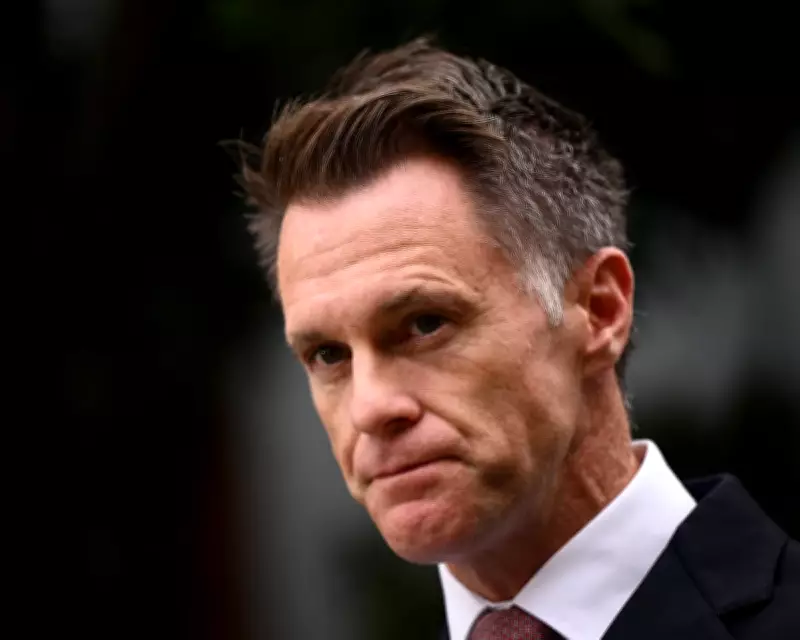
New South Wales Premier Chris Minns has firmly rejected calls to cut state funding for Sydney's Biennale arts festival, despite significant backlash from Jewish groups over lyrics performed by American DJ Zubeyda Muzeyyen, known professionally as DJ Haram. The controversy erupted during the festival's opening night at White Bay Power Station, where the artist's statements have been widely condemned as antisemitic.
Controversial Lyrics Spark Outrage
At the centre of the dispute is DJ Haram's claim during her set that a "Zio-Australian-Epstein empire" was responsible for silencing dissenters. Critics argue this language dangerously links Israel to convicted sex offender Jeffrey Epstein and perpetuates harmful antisemitic stereotypes. The performance included expressions of solidarity with Palestinian resistance, references to "martyrs," and condemnation of what she described as "global complicity" in an ongoing "genocide" against Gaza's population.
The artist also chanted the contentious phrase "from the river to the sea, Palestine will be free," further intensifying the controversy. Premier Minns described these statements as "horrid rhetoric" and "distressing," particularly in light of December's tragic terror attack at Bondi beach that claimed 15 lives during a Hanukah event.

Government Funding Under Scrutiny
According to the Biennale of Sydney's latest annual report, over 50% of its funding comes from government grants at federal, state, and local levels. In 2024 alone, the festival received $3.197 million in public funding, making the government's position on this controversy particularly significant.
Despite pressure from Jewish organizations, Premier Minns has categorically ruled out reviewing the Biennale's funding. "Getting into a cycle where we threaten to pull arts and cultural funding has the perversely opposite effect," Minns stated. "What ends up happening is you shine a spotlight on the person who's responsible for saying it, and it draws more attention, not less. So I don't want to use it as a cudgel."
The Premier emphasized that cultural institutions receiving taxpayer funds must represent all community members and avoid becoming platforms for hate speech. "We expect cultural and arts institutions to use taxpayer funds to represent every member of our community and not be a platform for hate," he added.
Jewish Community Leaders Express Outrage
David Ossip, President of the NSW Jewish Board of Deputies, declared that references to a "Zio-Australian-Epstein empire" constitute "pure antisemitism" and demanded accountability from festival organizers. "The fact that this dangerous rhetoric was propagated on the stage of an event which received significant NSW Government funding is scandalous," Ossip stated.
Alex Ryvchin, co-chief executive of the Executive Council of Australian Jewry, criticized the Biennale for platforming what he described as "lame antics" from "a DJ no one has ever heard of." Ryvchin suggested such controversies explain why donors and sponsors are increasingly deserting cultural institutions, leaving the arts sector "desperately underfunded."
Biennale Responds with Internal Review
The Biennale's leadership, including Chief Executive Barbara Moore, Board Chair Kate Mills, and Artistic Director Hoor Al Qasimi, has initiated an internal review of Muzeyyen's statements. In a recent statement, they confirmed the review is underway but declined to comment further, saying it would be "inappropriate" while the investigation continues.
"The Biennale requires all public discourse on our platforms to be lawful and in strict accordance with our code of conduct," the organization stated. "We remain absolutely committed to our core mission of being a unifying force and ensuring our venues are inclusive and welcoming for all audiences."
Political Figures Weigh In
NSW Arts Minister John Graham described the DJ's comments as "inflammatory and wrong" and called on the Biennale to "publicly spell out how it will make Jewish audiences feel welcome after these comments." Minister Graham's office confirmed ongoing engagement with festival organizers but provided no further details about these discussions.

Jillian Segal, Australia's Special Envoy to Combat Antisemitism, emphasized that publicly funded cultural events must not make any community feel unwelcome or targeted. "No community should feel unwelcome or targeted at publicly funded cultural events," Segal stated, urging Biennale organizers to consider the impact of performers' statements on social cohesion.
As the internal review proceeds and political discussions continue, the controversy highlights ongoing tensions between artistic expression, public funding, and community sensitivities in Australia's cultural landscape.