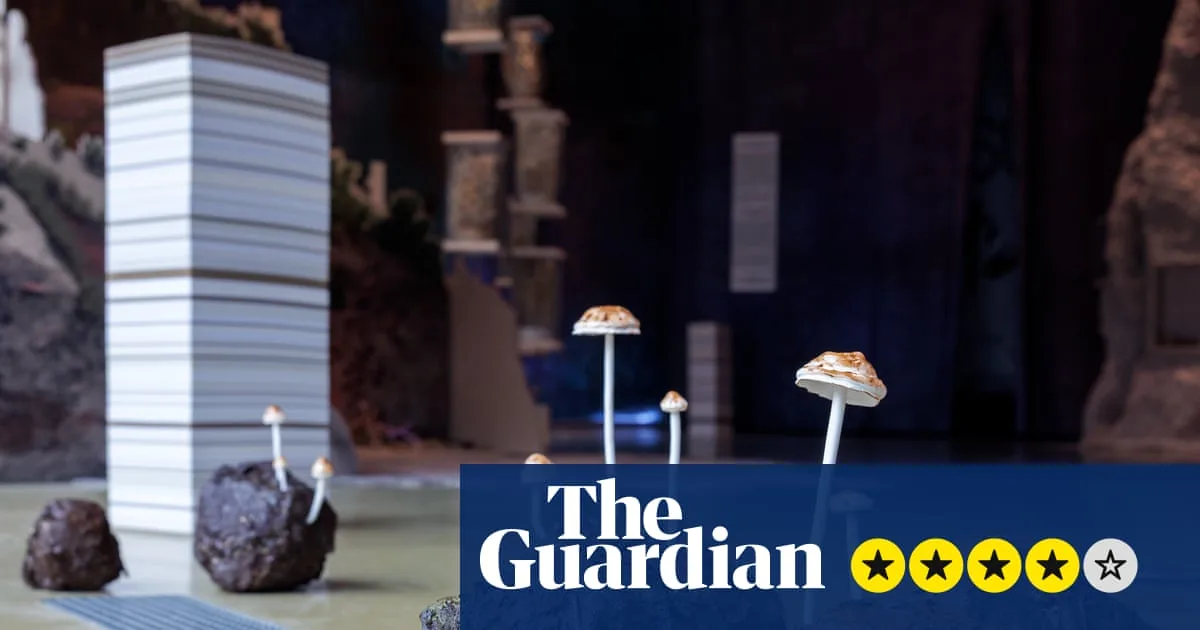
An exhibition at the Nieuwe Instituut in Rotterdam, Fungi: Anarchist Designers, plunges visitors into the sinister and pervasive world of fungi. Curated by anthropologist Anna Lowenhaupt Tsing and architect Feifei Zhou, the show presents fungi as anarchic co-designers of the world, thriving on decay and defying human control. It opens with Sylvia Plath's 1959 poem Mushrooms, setting a foreboding tone for the fungal takeover.
The exhibition features installations, films, and soundscapes that illustrate fungi's terrifying ubiquity. A time-lapse film of the basket stinkhorn, which emits a rotting flesh smell to attract flies, exemplifies their perverse reproductive strategies. The curators note that fungi refuse human commands, latching onto industrial trade and agriculture to cause widespread devastation.
Fungi's domain spans from the sea to the stratosphere, encompassing over two million organisms. The death cap mushroom, Amanita phalloides, is responsible for most human fatalities from mushroom poisoning, including Holy Roman Emperor Charles VI in 1740. Monocultural forests and crop plantations are particularly vulnerable to fungal attacks, such as heterobasidion root rot, highlighted in a multimedia installation by Matteo Garbelotto and Kyriaki Goni.

The exhibition also addresses fungi's impact on wildlife. A giant 'tombstone' lists frog species driven extinct by a microscopic fungus, with over 90 amphibian species lost. A magnified image shows a fungal tube piercing a corroboree frog's skin. For fans of The Last of Us, the real cordyceps fungus infects insects, controls their brains, and erupts from hosts to spread spores.
Humans are not immune; fungal infections thrive in warm, moist conditions. A mock hospital bed bay serves as a shrine to the multidrug-resistant Candida auris. The exhibition concludes that fungi are silent assassins and necrophiliacs, having existed for over a billion years, and their capacity to reproduce and evolve makes them a force to be reckoned with.