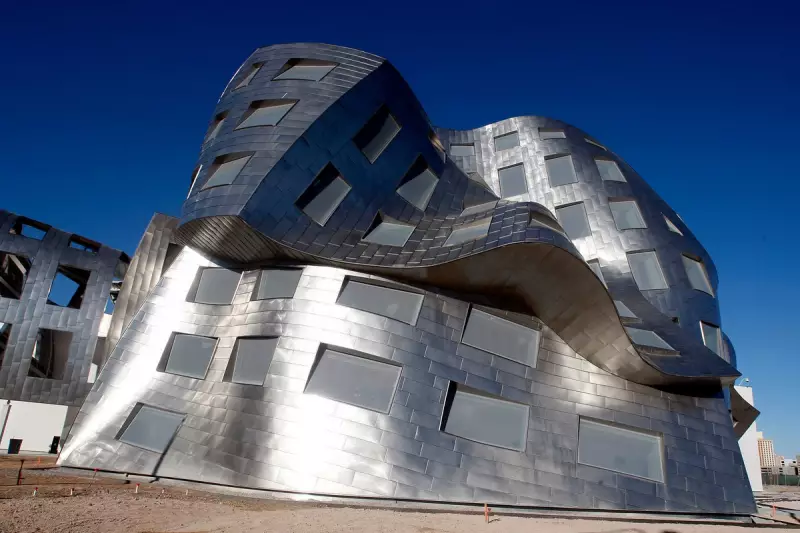
The architectural world is in mourning following the death of Frank Gehry, the visionary designer whose sculptural, titanium-clad buildings redefined the possibilities of modern architecture. He was 96.
A Prolific Career Defined by Imagination
Celebrated for his wildly imaginative and genre-shifting designs, Gehry's career was both long and profoundly influential. His work moved architecture away from rigid modernism towards a more expressive, artistic form, often resembling monumental sculptures. His death was confirmed on Friday, 5 December 2025, marking the end of an era for global design.
Over decades of prolific output, Gehry earned architecture's most prestigious accolades. These include the Pritzker Prize, often described as the field's Nobel; the Royal Institute of British Architects (RIBA) Gold Medal; the Americans for the Arts Lifetime Achievement Award; and Canada's Companion of the Order.

Landmarks That Transformed Cities
Gehry's legacy is permanently etched into the skylines of major cities worldwide through his iconic structures. Two buildings, in particular, stand as testaments to his revolutionary impact.
The Guggenheim Museum in Bilbao, Spain, opened in 1997, is perhaps his most famous work. Its swirling, shimmering titanium forms were credited with single-handedly revitalising the city's economy and reputation, a phenomenon famously dubbed the "Bilbao Effect."
In the United States, the Walt Disney Concert Hall in Los Angeles (opened 2003) is another masterpiece. Its sweeping, stainless steel sails have become an inseparable symbol of the city's cultural renaissance and a world-renowned acoustic marvel.
A Lasting Influence on Design
The passing of Frank Gehry leaves a monumental void in architecture. His fearless approach to form and material challenged engineers and inspired generations of architects to think beyond conventional boxes. His buildings were not merely places to inhabit but dynamic public sculptures that engaged with their surroundings and the public in entirely new ways.
While the structures he leaves behind are solid and enduring, they represent a spirit of constant innovation and artistic freedom. Gehry's work proved that architecture could be both profoundly serious and joyously playful, ensuring his influence will be studied and admired for centuries to come.