A new public statue in Melbourne commemorating the ill-fated 1860s expedition of Robert O'Hara Burke and William John Wills has ignited a fierce debate about how Australia remembers its colonial past. The monument, intended to honour the explorers as national heroes, has been labelled by critics as a celebration of a "catastrophic farce" that ended in tragedy.
The Monument and the Backlash
The statue, recently installed in a prominent Melbourne location, depicts the two explorers at the outset of their ambitious journey. The project was championed by local historical societies and some city councillors who view Burke and Wills as pivotal, if flawed, figures in the nation's story of inland exploration. Proponents argue the monument recognises their courage and the epic scale of their attempt to cross the continent from south to north.
However, the installation has been met with significant opposition from historians, Indigenous groups, and members of the public. Detractors point to the expedition's well-documented failures in planning and leadership, which directly led to the deaths of Burke, Wills, and several other party members. They argue that erecting a heroic statue glosses over these fatal incompetencies and the suffering they caused.

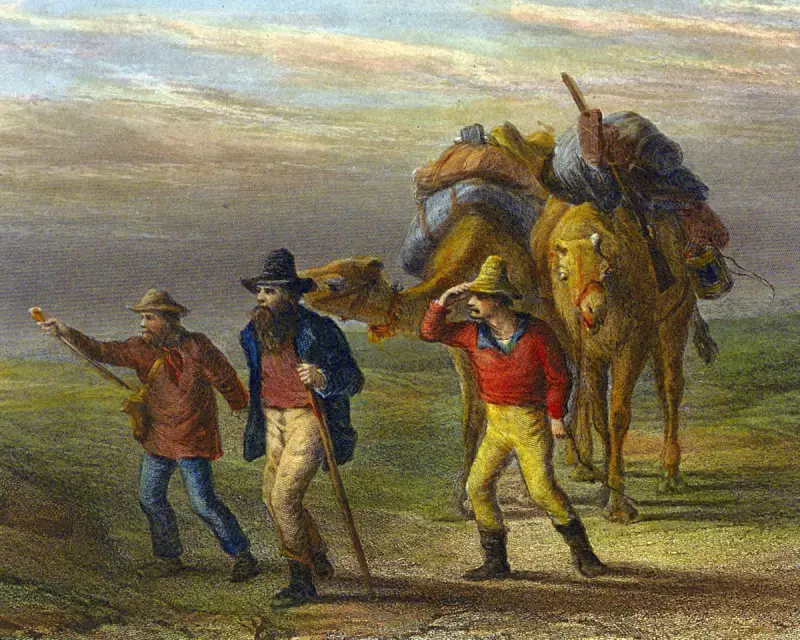
Critics emphasise that the venture was plagued by poor decisions from the start, including the dismissal of key personnel, the abandonment of vital supplies, and a fatal delay at Cooper Creek. The expedition's sole survivor, John King, was saved only by the generosity of the local Yandruwandha people, a fact often overshadowed in traditional tellings of the tale.
A Reflection on National Memory
The controversy taps into a broader, global conversation about which historical figures deserve public memorialisation and how their stories are told. In Australia, this has frequently centred on the legacy of colonialism and its impact on First Nations peoples.
For many, the Burke and Wills story is not one of pure heroism but a complex narrative of hubris, poor management, and a tragic disconnect from the Australian environment. Some historians have described the expedition as "one of the great disasters of Australian exploration", questioning why it should be commemorated with an uncritical, triumphant statue.
Opponents of the monument suggest alternative forms of remembrance, such as educational plaques that present a fuller account of the events, acknowledging both the explorers' ambitions and their fatal missteps, as well as the role of Indigenous Australians.
What Happens Next?
The statue's future is now uncertain. A petition for its removal has gained traction, and the local council is facing pressure to review the decision. The debate has moved beyond historical circles into the public sphere, with newspaper editorials and social media discussions dissecting the merits of the memorial.
This incident highlights the ongoing tension between traditional, often simplistic, national myths and a more nuanced, critical understanding of history. The core question remains: should public art celebrate figures from a problematic past without context, or should it provoke reflection on the full complexity of that history?
As Melbourne grapples with this question, the Burke and Wills statue stands as a physical focal point for a national conversation about memory, legacy, and how a modern nation reckons with the follies and tragedies of its founding eras.