In a powerful act of remembrance, a monumental effort is underway to transform the sea of flowers left for the victims of the Bondi terror attack into a lasting artistic memorial. Artist Nina Sanadze, alongside a dedicated team of volunteers, has embarked on the painstaking mission to preserve every petal and stem from the three tonnes of floral tributes.
A Warehouse of Memory and Scent
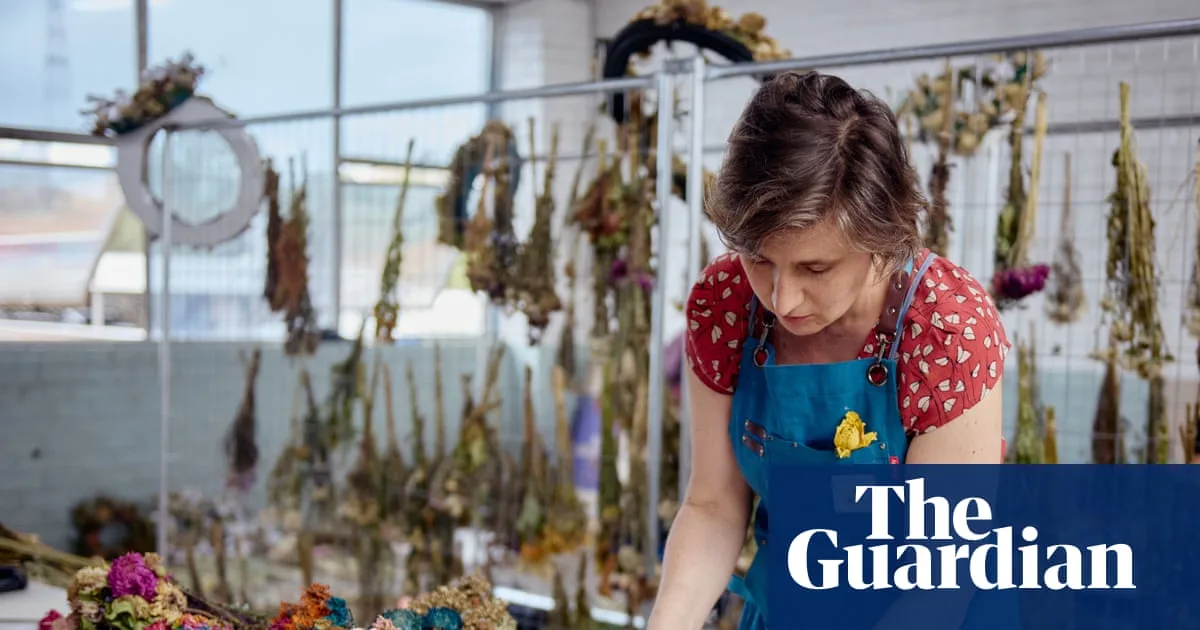
The project is based in a 400-square-metre warehouse in Sydney, where the first impressions are visceral. The overwhelming scent of thousands of flowers hits you first, followed by the intense heat that initially exceeded 30°C. This challenging environment, a humid 'hotbox', required innovative solutions from Shannon Biederman, senior curator at the Sydney Jewish Museum. She deployed fans, dehumidifiers, and repurposed construction fences as drying racks to begin the delicate preservation process.
Volunteers started their work on Christmas Eve, just over a month after the tragic events of 14 December. In the early stages, the scent was so potent that masks were essential. Now, the space has evolved into a finely tuned production line, with the aroma hanging lighter in the air and the masks removed.
Meticulous Preservation for Posterity
No detail is too small in this labour of love. Every species of flower is being diligently identified and catalogued. Zigzag wattles, bougainvilleas, gumnuts, and Singapore orchids are meticulously labelled, colour-coded, and boxed. The team, which now sees up to 50 volunteers daily, is committed to repurposing every single part of the bouquets.
Petals are being carefully ironed or pressed. Sunflower pollen is processed into pigment. Even fallen leaves scattered on the warehouse floor are gathered and repurposed. "Every little petal, people will go look for the right place. It's just a testimony to the care that people have," Sanadze explains.
A Community-Driven Legacy of Hope
The driving force behind the project is a profound sense of community duty. Volunteers travel for hours to contribute, some staying for just an hour, others for the entire day. Alana, a volunteer who preferred not to give her surname, expressed a common sentiment: "I wanted to do something that was meaningful and useful. I couldn't think of anything more beautiful than keeping the flowers and turning them into something of beauty so we can remember."
By next week, all the preserved floral material will be boxed, awaiting its transformation into a permanent artwork. While the final form of the commemorative piece is yet to be determined, Sanadze is committed to engaging the wider community at every stage of its creation. The artwork is destined for display when the Sydney Jewish Museum reopens to the public in early 2027.
Biederman reflects on the project's significance: "I do think it means a lot that they are preserved for posterity and that they're there is hopefully an expression of unity among all Australians." In a final symbolic act, the team hopes to replant seeds collected during the drying process, creating a living legacy. As Sanadze poignantly notes, there is nothing like a garden "to give us hope for the future."