Avenue Q Review: Provocative Puppets Return for a Feast of Filth and Fun
Shaftesbury Theatre, London
Twenty years since its explosive West End debut, the sweetly subversive musical Avenue Q has triumphantly returned to the London stage. With a few modern tweaks and an abundance of heart, this production delivers the same riotous blend of puppet antics and adult themes that originally captivated audiences.
Trigger Warnings and Taboo Topics
The warning of "puppet nudity" barely scratches the surface. Audiences are treated to puppets engaging in explicit sexual acts, singing candidly about racial biases, and openly admitting their fondness for pornography. Created by Robert Lopez and Jeff Marx, this Tony award-winning show may no longer shock as profoundly, but it remains hilariously entertaining as its fuzzy-felt characters navigate love, existential crises, and chaotic mischief.

Plot and Characters
Directed by Jason Moore on Anna Louizos's charmingly flat, house-lined set, the story follows bushy-tailed college graduate Princeton, portrayed by Noah Harrison, as he arrives on the titular New York street. His journey includes a romance with Kate Monster, an outsider reminiscent of Shrek, played by Emily Benjamin, and a quest for life's greater purpose. The neighbourhood is populated by an eclectic mix, including:
- Christmas Eve, a plain-speaking Japanese therapist performed by Amelia Kinu Muus
- Gary, a former child star turned handyman, brought to life by Dionne Ward-Anderson
- Rod and Nicky, flatmates echoing Sesame Street's Bert and Ernie, played by Noah Harrison and Charlie McCullagh respectively
Musical Numbers and Social Commentary
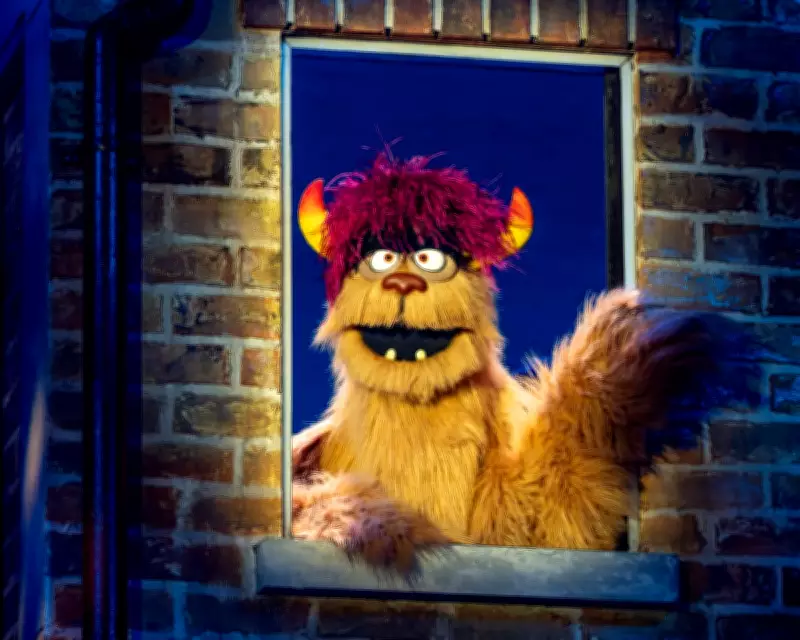
The show retains its noughties naughtiness through songs like If You Were Gay, Everyone's a Little Bit Racist, and The Internet Is for Porn, the latter led by Trekkie Monster with Cookie Monster-gone-dirty energy. While these numbers aimed to bust taboos and once felt explosive, their themes remain relevant today, touching on issues from homophobia resurgences to Black Lives Matter movements, though their shock value has somewhat diminished.
Notably, Amelia Kinu Muus's hammy Japanese accent stands out, and the character Lucy, dubbed "the slut" in a pre-#MeToo era, appears as a puppet influencer resembling Bonnie Blue with a plunging neckline.
Artistic Execution and Puppetry
The show's faux-naivety thrives on the comic dissonance between the puppets' innocent appearances—wide eyes and cutesy voices—and their adult misbehaviour, including drunkenness, pole dancing, sex, and betrayal. Lopez and Marx's songs are a highlight, from the clever Schadenfreude to the melancholic There's a Fine, Fine Line and the closeted hilarity of My Girlfriend, Who Lives in Canada.
The cast of actor-puppeteers, especially Noah Harrison and Emily Benjamin, perform with such physical and vocal exuberance that the puppets seem genuinely alive, handling everything from singing to shagging. Puppet designer Rick Lyon's furry creations, winkingly derivative of Sesame Street where he worked for 15 seasons, add to the charm with animation breakouts and educational nods.
Modern Updates and Lasting Appeal
Jeff Whitty's award-winning book has been refreshed with jokey references to AI, OnlyFans, and Spotify, while Mix Tape humorously nods to "olden days" phenomena. Though the plot isn't exceptionally strong, the production excels through its sweet, subversive, and manic charms, offering sunny puppet-bound escapism that never fully detaches from our messy human world.
Ending on a hopeful note with a "this too will pass" spirit, the puppets remind us that everything is only for now—even figures like Trump. Avenue Q continues at Shaftesbury Theatre, London, until 29 August, proving that its provocative puppetry and heartfelt humour remain as engaging as ever.