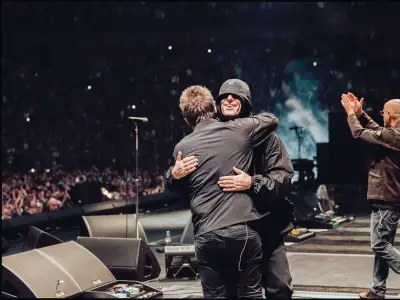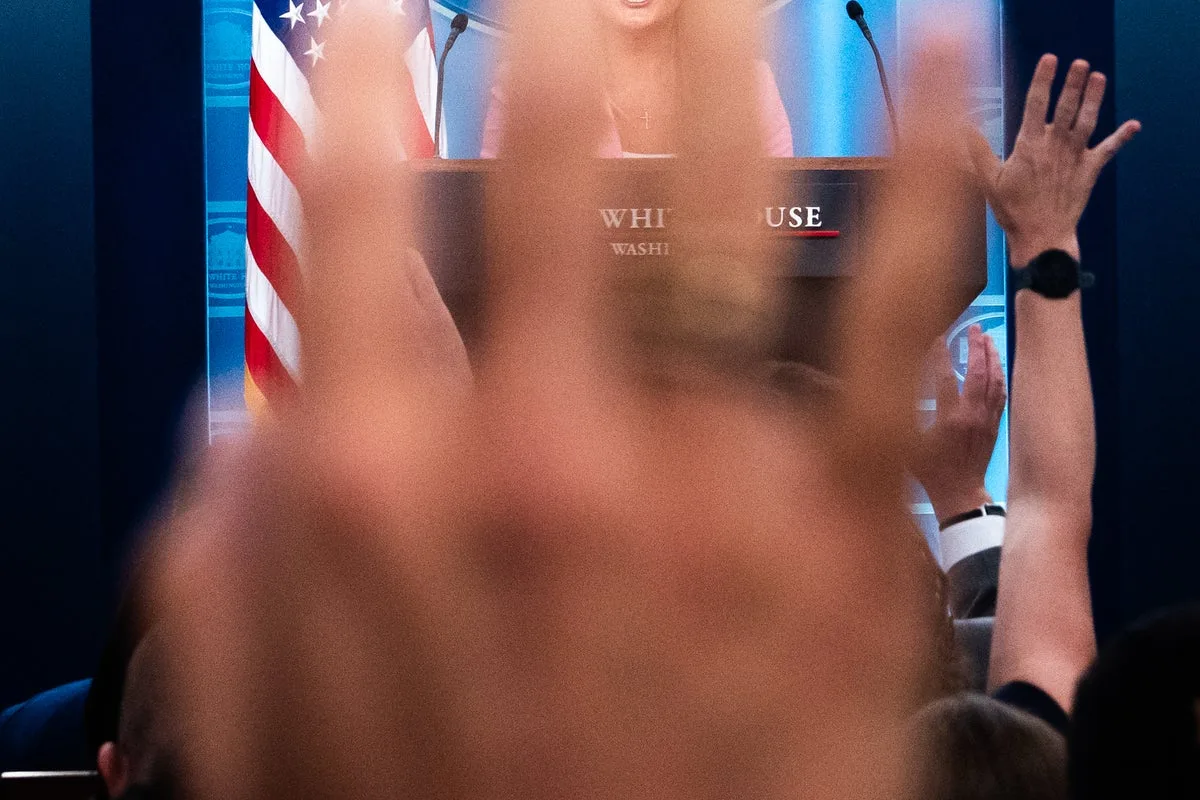
The Associated Press (AP) has unveiled a captivating new collection that challenges traditional photographic conventions. A selection of the world's top photojournalists have turned their lenses vertically, producing a series of powerful images that tell global stories in a striking portrait format.
Redefining the Frame: The Power of Portrait Format
For decades, the horizontal frame has dominated photojournalism and news reporting, often seen as the standard for capturing scenes. This new initiative from the AP deliberately breaks that mould. The curated collection demonstrates that profound narrative and emotional impact are not confined to landscape orientation.
The project showcases work from AP's globally renowned staff photographers. These images are not mere crops of existing pictures but are consciously composed in-camera to exploit the unique strengths of the vertical frame. This format naturally draws the viewer's eye on a different journey through the image, often creating a more intimate or imposing connection with the subject.
Global Stories, Intimate Perspectives
The vertical photos span a diverse range of subjects and locations, proving the format's versatility. From the intense drama of political rallies and the solemn quiet of conflict zones to the vibrant energy of cultural celebrations and the stark reality of environmental issues, each image uses its tall frame to guide the story.
The collection includes gripping scenes such as a firefighter battling a blaze, where the vertical composition emphasises the scale of the flames against a lone figure. Another might capture the towering architecture of a cityscape or the full height of a protestor's banner, elements that gain power when framed from top to bottom. The format is particularly effective for portraits, allowing for a deeper focus on human expression and circumstance.
This approach aligns with modern consumption habits, where smartphones are the primary device for viewing news. The vertical format fits seamlessly on mobile screens, eliminating the need to rotate the device and offering an immersive, full-screen experience. The AP's move acknowledges this shift in how audiences engage with visual media daily.
The Art and Impact of Conscious Composition
Creating compelling vertical journalism requires a distinct skill set. Photographers must rethink their approach to composition, leading lines, and negative space. The classic 'rule of thirds' applies differently, and foreground and background elements interact in new ways to build narrative within the confines of the portrait aspect ratio.
These images are more than just technically proficient; they are journalistically robust. Each photograph maintains the AP's unwavering commitment to factual accuracy and ethical storytelling. The vertical frame becomes another tool for the photojournalist to direct attention, evoke emotion, and convey the truth of a situation without manipulation.
The release of this collection highlights a growing trend in visual media towards formats that prioritise mobile-first audiences. It challenges other news agencies and photographers to experiment beyond the horizontal default. For the public, it offers a fresh and engaging way to connect with current events and human stories from around the globe, reminding viewers that perspective is everything in understanding the world's complexities.
Ultimately, this project reinforces that powerful storytelling transcends format. Whether horizontal or vertical, the core mission of photojournalism—to inform, provoke, and bear witness—remains constant. The AP's vertical collection is a testament to the creativity and adaptability of its visual journalists in fulfilling that mission for a new era.