Veteran broadcaster and journalist Andrew Marr has paid a warm and personal tribute to Sir Andreas Whittam Smith, the co-founder of The Independent, who has died at the age of 88. Marr, who edited the newspaper in the 1990s, credits Whittam Smith with giving him his "lucky break" and creating a golden age of journalistic freedom and mischief.
The Visionary Behind a Newspaper Revolution
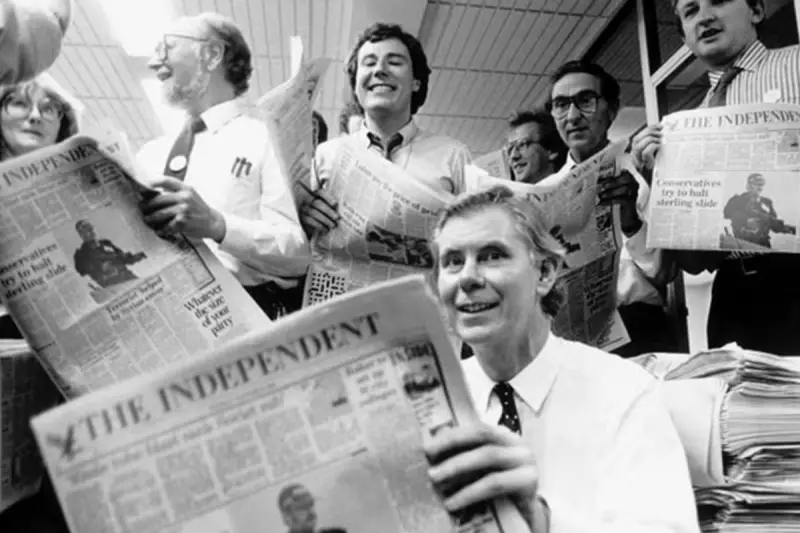
While obituaries have noted the fortunate timing surrounding the launch of The Independent in 1986, Marr argues that luck was secondary to the unique vision, energy, and courage of Andreas Whittam Smith. Alongside Matthew Symonds and Stephen Glover, Whittam Smith launched Britain's first new quality broadsheet since the Victorian era, capitalising on a period of upheaval in the newspaper industry.
Marr recalls the founder's distinctive appearance – a port-wine nose, expensive suits, and a Garrick Club tie – but emphasises the "surprisingly mischievous schoolboy grin" that hinted at his true nature. Despite a background as the son of a vicar and a later role as First Church Estates Commissioner, which lent him a somewhat high-minded air, Whittam Smith possessed a deep-seated belief that journalism's core job was to "cause trouble, offend the mighty, and have a lot of fun while doing so".

Kicking Over the Apple-Carts: The Lobby and Royalty
This philosophy was put into dramatic practice from the outset. Marr recounts being recruited by the paper's future political editor, the late Tony Bevins, with a clear mission: to boycott and break the old, secretive Westminster political lobby system. This insider club, they believed, primarily benefited Number 10 and the journalists within it.
"I was warned by more than one political correspondent to have nothing to do with this anarchic newcomer," Marr writes. Yet, under Bevins's direction, the Independent's team persisted. They created confrontations and an often unpleasant atmosphere in the press gallery by insisting on attributing briefings to Margaret Thatcher's press secretary, Sir Bernard Ingham, thereby bringing transparency to the process. Whittam Smith was passionately committed to this radical approach, just as he was to boycotting fawning royal coverage.
A Golden Age of Liberty and Experimentation
For Marr, Whittam Smith's greatest legacy was the culture he fostered. He created an atmosphere of liberty and experimentation that attracted some of the finest writers of the era. "Everything was possible," Marr states, noting that standards were high, salaries were moderate, and hard work was demanded. The goal was to be less tribal, less predictable, and less lazy than established rivals.
He fondly remembers the early days in the barely furnished offices on City Road, sitting on "unlikely floral sofas" with new colleagues, passionately debating policy on everything from monetarism to the Soviet threat. He recalls Whittam Smith's "leaping eyebrows and giggle" when things were going well.
While commercial pressures, predatory pricing from The Times, and strategic mistakes eventually closed in on the venture, Marr states unequivocally that this period remains a "golden age" for him and many others. Sir Andreas Whittam Smith died on Monday 1 December 2025. Andrew Marr, who presents Tonight with Andrew Marr on LBC and is political editor of the New Statesman, concludes his tribute with a simple sentiment: "And we have one man to thank."