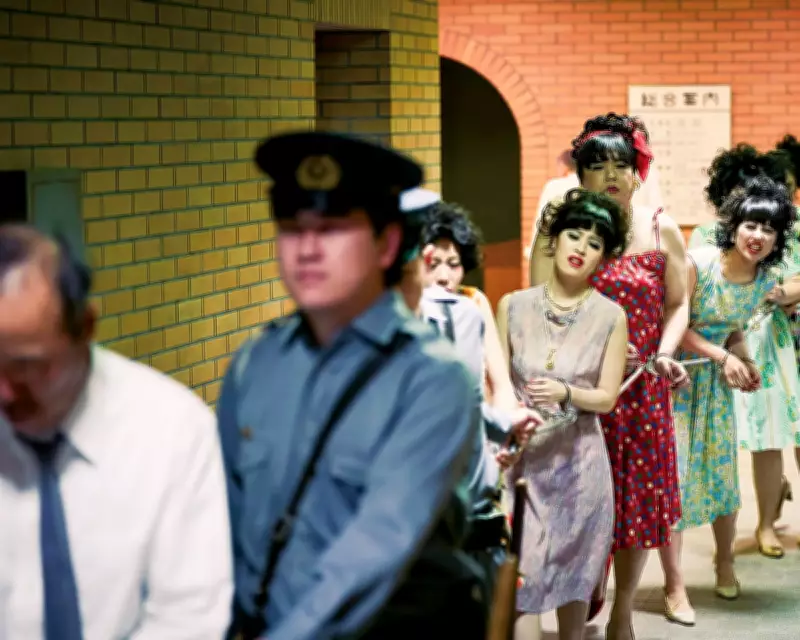
Blue Boy Trial: A Landmark Case in Japan's Transgender History
The Blue Boy trial, centered on Kasho Iizuka, has emerged as a critical legal battle in Japan, delving into the complexities of transgender history and identity. This case is not just a personal story but a significant moment that could reshape the nation's approach to LGBTQ+ rights and legal recognition.
Historical Context and Legal Implications
Japan has a long and nuanced history with gender identity, often intertwined with cultural and social norms. The Blue Boy trial brings this history to the forefront, challenging existing legal frameworks that have historically been rigid in their definitions of gender. Kasho Iizuka's case highlights the struggles faced by transgender individuals in a society where traditional views often clash with modern understandings of identity.
The trial examines key issues such as the right to self-identification, access to medical treatments, and protection against discrimination. Legal experts argue that the outcome could set a precedent for future cases, potentially leading to reforms in Japan's gender recognition laws. Currently, Japan requires sterilization and other invasive procedures for legal gender change, a policy criticized by human rights organizations worldwide.

Kasho Iizuka's Role and Public Response
Kasho Iizuka, at the heart of the trial, has become a symbol of resilience and advocacy for the transgender community in Japan. Their journey through the legal system has drawn widespread attention, sparking public debates and media coverage. Supporters emphasize that this case is about more than just one individual; it represents a broader fight for dignity and equality.
Public response has been mixed, with some segments of society expressing support for greater LGBTQ+ rights, while others cling to conservative views. However, the trial has undeniably increased awareness and dialogue around transgender issues in Japan. Activists hope that this heightened visibility will translate into tangible policy changes, such as the adoption of more inclusive laws that respect gender diversity.
Broader Impact on Society and Future Prospects
The Blue Boy trial is poised to have a lasting impact on Japanese society, influencing not only legal standards but also cultural perceptions of gender. If successful, it could pave the way for enhanced protections and recognition for transgender individuals, aligning Japan more closely with global human rights standards. This case underscores the importance of legal battles in driving social change, particularly in areas where progress has been slow.
Looking ahead, the outcome of the trial will likely be closely monitored by international observers and LGBTQ+ advocates. It serves as a reminder of the ongoing struggles for equality worldwide and the power of individual cases to catalyze broader movements. As Japan navigates this pivotal moment, the Blue Boy trial stands as a testament to the courage of those fighting for their rights and the evolving nature of identity in the modern era.