Martin Lewis Condemns Chancellor's Student Loan Repayment Freeze as 'Immoral'
Martin Lewis Slams Student Loan Freeze as 'Immoral'

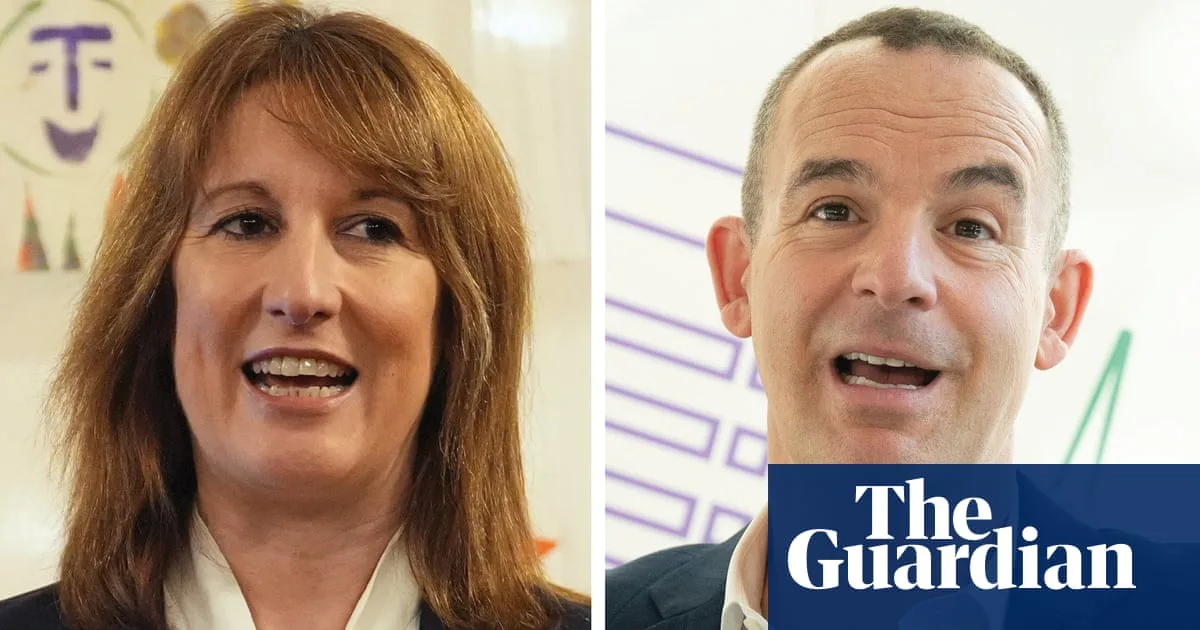
Martin Lewis, the founder of MoneySavingExpert, has launched a scathing critique against Chancellor Rachel Reeves over the government's decision to freeze the student loan repayment threshold. In a recent appearance on BBC Newsnight, Lewis described the policy as "not a moral thing to do," highlighting concerns about its impact on young graduates.

Details of the Student Loan Freeze

The controversy stems from the chancellor's budget announcement in November, which confirmed that the salary threshold for repaying plan 2 student loans will be held at £29,385 for three years, starting from April 2027. This freeze means that graduates will begin repaying their loans at this fixed income level, regardless of inflation or wage growth, potentially increasing their financial strain.

Lewis's Moral Argument

During his interview, Martin Lewis emphasised that many young people are not adequately educated about the implications of student loans. He argued that the freeze unfairly targets graduates who are already facing rising costs of living, and he urged the government to reconsider the decision. Lewis stated, "This move could exacerbate financial hardships for new graduates, making it harder for them to manage essentials like rent and food."

Support from the National Union of Students

The National Union of Students (NUS) has echoed Lewis's concerns, warning that the three-year freeze could lead to significant financial struggles for recent graduates. They predict that this policy will force many to cut back on essential expenses, such as housing and groceries, as they navigate the early stages of their careers.

Broader Implications for Education and Economy

This issue raises questions about the long-term effects on higher education and the economy. With student debt already a pressing concern for many, the freeze could deter prospective students from pursuing university degrees, potentially impacting workforce skills and economic growth. Experts suggest that more transparent communication and support systems are needed to help graduates understand and manage their loan obligations.

In summary, Martin Lewis's outspoken criticism highlights a growing debate over the fairness of student loan policies in the UK. As the government faces pressure from advocacy groups and financial experts, the future of graduate finances remains uncertain.