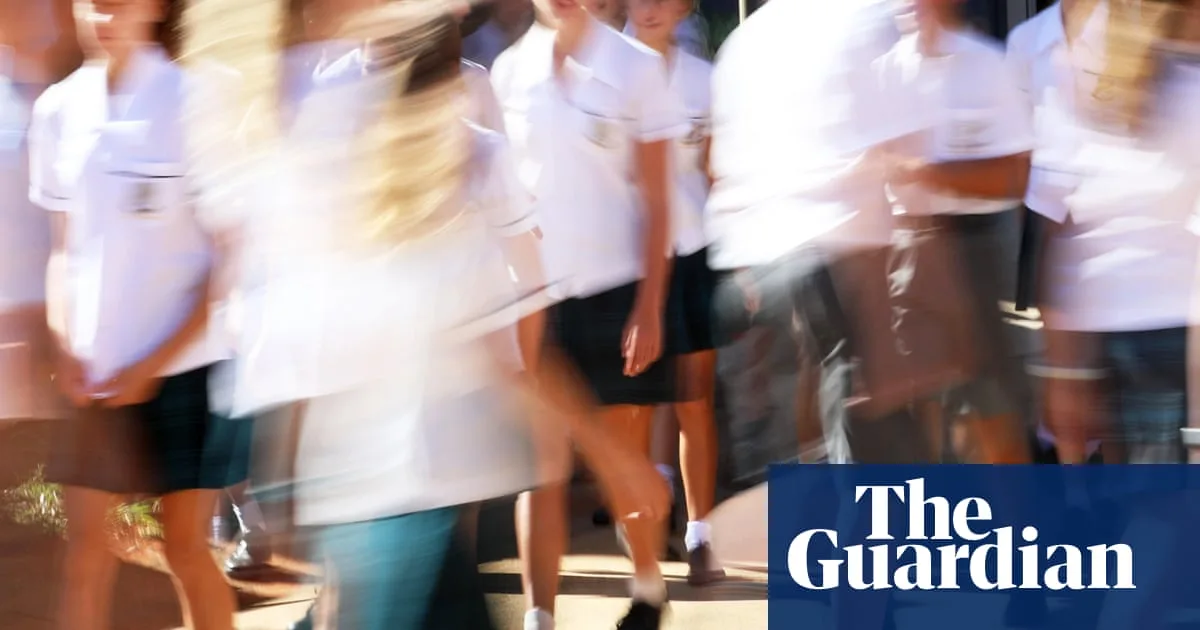
The Court of Appeal has dismissed a challenge against the government's decision to add VAT to private school fees, ruling that parents who object to state education can home school their children. The appeal was brought by families and leaders of four low-cost Christian faith schools, who argued that the 20% tax would make their schools unviable and infringe on children's right to education.
Sir Geoffrey Vos, Lady Justice Falk, and Lord Justice Singh rejected the appeal, stating there is no prohibition on taxing education and no guarantee of a right to a particular type of education beyond what the state provides. They noted that while the measure may seriously impact families unable to afford private religious education, home schooling remains an option if state education is unacceptable.
The schools involved—Wyclif Independent Christian School near Caerphilly, Emmanuel School in Derby, the Branch Christian School in Dewsbury, and the King's School near Eastleigh—charge fees between £3,000 and £12,000 a year, far lower than typical independent schools. They rely on donations, volunteers, and teachers accepting reduced pay.
Andrea Williams, chief executive of the Christian Legal Centre, which supported the appeal, said the group will seek permission to appeal to the Supreme Court. She criticised the policy as penalising parents who want a Christian education, adding that low-cost Christian schools are already closing. Ane Vernon, an education law specialist, said the ruling was unsurprising given Labour's manifesto commitment, but noted that home schooling may not be practical for many families.