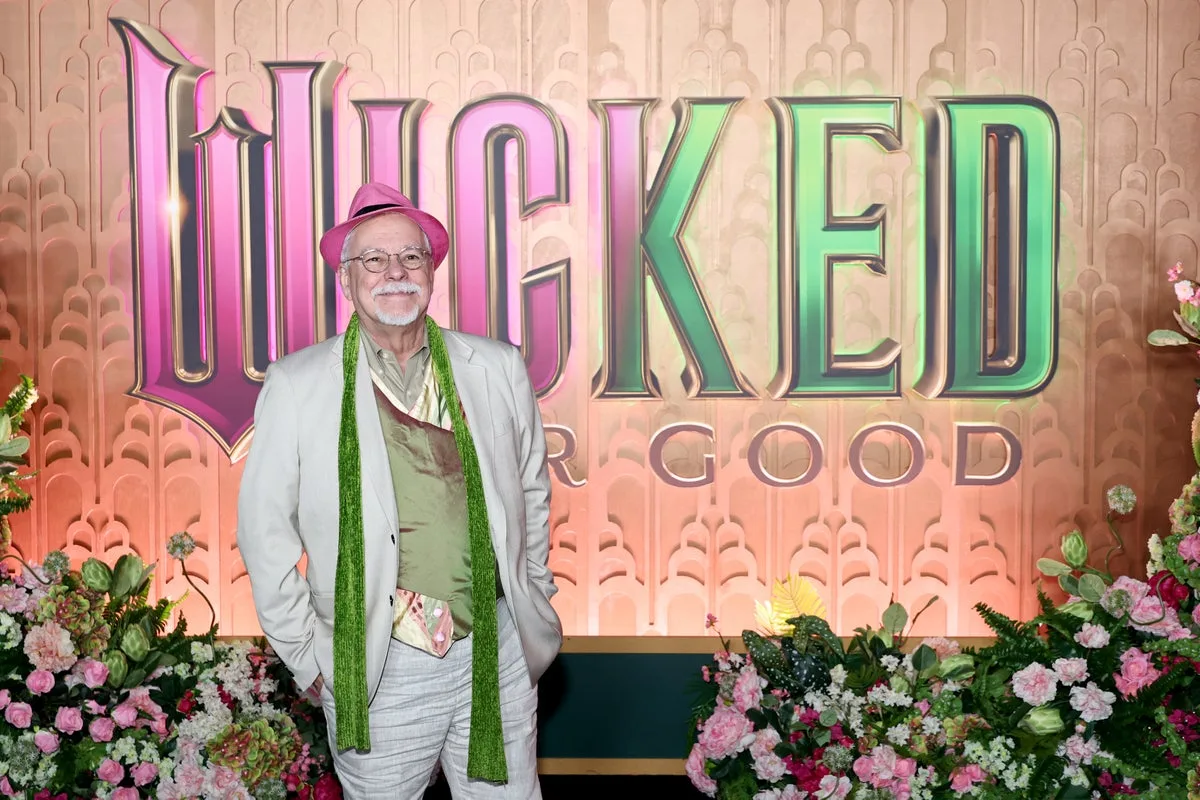
Public schools across the state of Utah have enacted a permanent ban on Gregory Maguire's 1995 novel, Wicked: The Life and Times of the Wicked Witch of the West. The decision, made by the Utah State Board of Education, adds the dark fantasy retelling of The Wizard of Oz to a growing list of titles prohibited in educational settings.
The Path to a Statewide Ban
The ban was implemented in accordance with Utah's Sensitive Materials Law, legislation originally passed in 2022 and amended in 2024. The law's purpose is to identify and remove material deemed pornographic or indecent from schools. The process began at a local level, with the novel first being removed from shelves in the Davis County, Tooele County, and Washington County school districts.
Following a review, these three districts independently concluded the book contained objective sensitive materials. This local finding triggered a mechanism within the state law, leading to the book's inclusion on a statewide banned list on Monday, 5 January 2026. Wicked was added alongside other notable titles, including Stephen Chbosky's The Perks of Being a Wallflower and Jodi Picoult's Nineteen Minutes.
Author's Stance and Legal Challenges
Interestingly, the author himself has publicly acknowledged the adult nature of his work. In a November 2024 interview with MassLive, Gregory Maguire stated his novel is completely not for children. He explained that he purposefully included raunchy material in the opening pages to signal the book's mature content to readers, distinguishing it from the family-friendly Broadway musical and PG-rated film adaptations.
The ban is now facing a significant legal challenge. The American Civil Liberties Union (ACLU) of Utah filed a lawsuit this week on behalf of several affected authors, including Elana K. Arnold, Ellen Hopkins, and Amy Reed, as well as the estate of Kurt Vonnegut. The lawsuit argues that Utah's book-banning efforts violate the First Amendment rights protecting free speech and the freedom to read.
Tom Ford, an attorney for the ACLU of Utah, emphasised in a statement: The right to read and the right to free speech are inseparable. The First Amendment protects our freedom to read, learn, and share ideas free from unconstitutional censorship.
A National Context for Censorship
Utah's action is part of a much broader national trend. The literary and free expression advocacy group PEN America has been tracking a surge in school book bans across the United States since at least 2021. Their data paints a stark picture of the scale of the issue.
According to PEN America's Index of School Book Bans covering the 2024-2025 period, more than 6,700 instances of book bans occurred in school districts nationwide. This figure highlights the intense and ongoing debate in America over what material is appropriate for young readers and who holds the authority to make those decisions.