School Readiness Crisis Deepens as Quarter of Reception Pupils Not Toilet Trained
A concerning new study has revealed that approximately one in four children starting reception classes in 2025 were not toilet trained, highlighting a growing crisis in early years development across the United Kingdom. The annual survey conducted by early years charity Kindred Squared found that teachers estimate 26% of reception pupils experience frequent toilet accidents, with the figure rising to a staggering 36% in the North East of England.
Alarming Decline in Basic Life Skills
The findings paint a troubling picture of declining school readiness among young children entering the education system. Beyond toilet training issues, staff reported that around 28% of children began school unable to eat and drink independently, while 25% struggled with other fundamental life skills essential for classroom engagement.
Felicity Gillespie, chief executive of Kindred Squared, described the situation as reaching "a critical moment", with 37% of children now arriving at school gates without the basic capabilities needed to participate in curriculum activities. "This is no longer just a classroom issue; it is a systemic crisis," she emphasised, pointing to multiple contributing factors including stretched school resources, low expectations, the rising cost of living, and parents lacking timely information about child development.
Regional Disparities and Classroom Impact
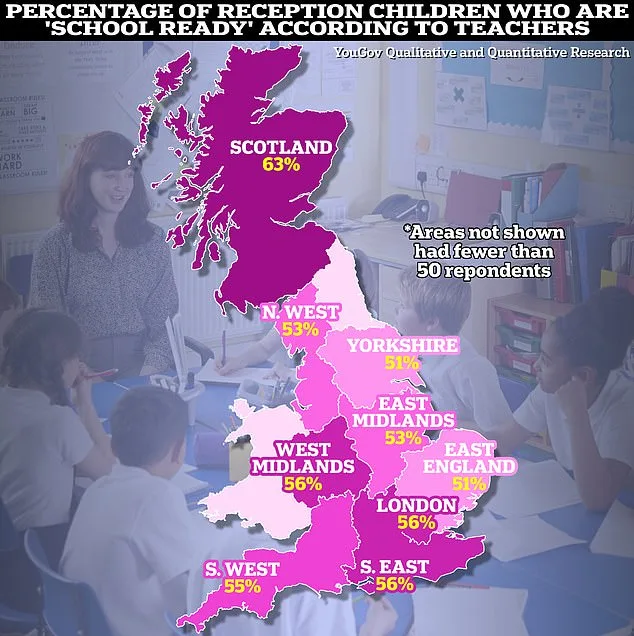
The survey of 1,000 primary school staff uncovered significant regional variations in school readiness:
- North East England reported the highest rates of unprepared children at 36%
- West Midlands and North West showed sharper declines in readiness compared to previous years
- National average for school readiness dropped from 33% in 2024 to 37% in 2025
Teachers revealed they spend approximately 1.4 hours daily changing nappies or assisting children with toilet needs, resulting in a total loss of 2.4 hours of teaching time each day due to pupils lacking basic skills. This substantial reduction in instructional time represents a significant challenge for educators striving to deliver the national curriculum.
Digital Confusion and Parental Perceptions
The study uncovered additional concerning trends beyond physical readiness. Approximately 28% of children were unable to use books correctly, with many attempting to swipe or tap pages as if they were digital screens. Over half of teaching staff identified excessive screen time for both children and parents as a key factor contributing to school unreadiness.
Interestingly, parental perceptions contrasted sharply with teacher observations. In a parallel survey of 1,000 parents of four and five-year-olds:
- 88% believed their child was ready to start school
- 35% thought their child was more prepared than most children
- 94% expressed desire for national guidance on school readiness
Government Response and Educational Leadership Concerns
The government has established a target for 75% of children to achieve school readiness by 2028, though current Department for Education figures show only 67.7% reached a good level of development by the end of reception in 2023/24. Recent initiatives include distributing £12 million across 65 local areas to establish Best Start family hubs, which aim to provide parenting support and youth services.
Paul Whiteman, general secretary of school leaders' union NAHT, confirmed that the survey findings reflect what members are reporting nationwide. "More support before children start school in the early years is crucial," he stated, highlighting the importance of early identification and intervention for children with Special Educational Needs and Disabilities (SEND).
Pepe Di'Iasio, general secretary of the Association of School and College Leaders, acknowledged that family hub rollouts and childcare expansion represent positive steps but cautioned that these are not quick fixes for a problem that has developed over fifteen years of declining local support services.
The growing school readiness crisis represents a fundamental challenge for the UK education system, with implications for educational outcomes, teacher workload, and long-term child development. As schools grapple with these issues, the need for coordinated action between families, educational institutions, and government agencies becomes increasingly urgent.