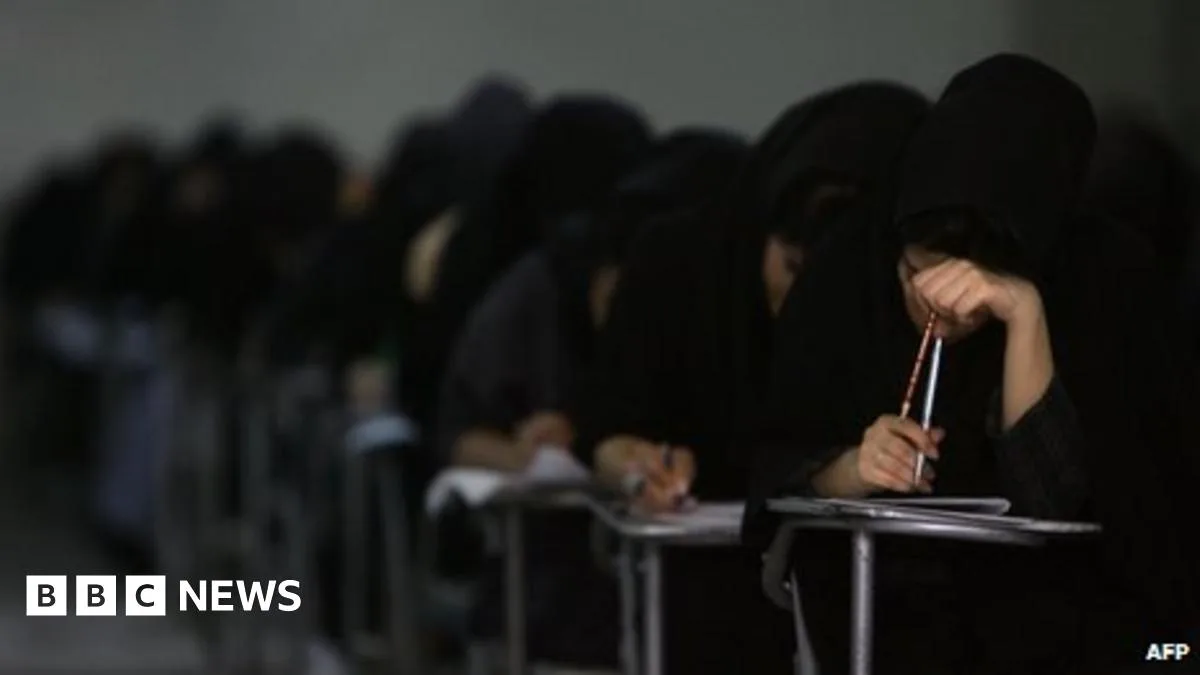
Iran has introduced new restrictions on courses available to female university students, with more than 30 institutions banning women from nearly 80 degree programmes. The move has raised questions about women's rights to education and the long-term impact of such exclusions.
The affected subjects range from engineering, nuclear physics and computer science to English literature, archaeology and business. No official reason has been given, but campaigners including Nobel laureate Shirin Ebadi allege it is part of a deliberate policy to exclude women from education and push them back into the home.
Higher Education Minister Kamran Daneshjoo has played down the situation, stressing that 90% of courses remain open to both sexes and highlighting Iran's record on higher education. Women now make up more than 60% of the student body, having outnumbered men since 2001.
However, there are fears that the restrictions could undermine progress. One student, Leila, said she wanted to study architecture and civil engineering but access for girls had been cut by 50 per cent, and she might not get into university this year.
The tightening follows unrest after the 2009 presidential election, in which women played a prominent role. Supreme Leader Ayatollah Ali Khamenei subsequently called for the "Islamisation" of universities, and in 2012 urged a return to traditional values and larger families.