Student Banned from Formal Over Keffiyeh Settles Racial Discrimination Case
Student Banned from Formal Over Keffiyeh Settles Case

A former Year 12 student has successfully settled a legal case against the New South Wales education department after he was prohibited from attending his high school formal for wearing a scarf that displayed a Palestinian flag and a keffiyeh. The incident, which occurred at Condell Park High School in south-west Sydney, led to allegations of racial discrimination and has drawn significant attention to issues of cultural expression in educational settings.

Details of the Incident and Legal Proceedings

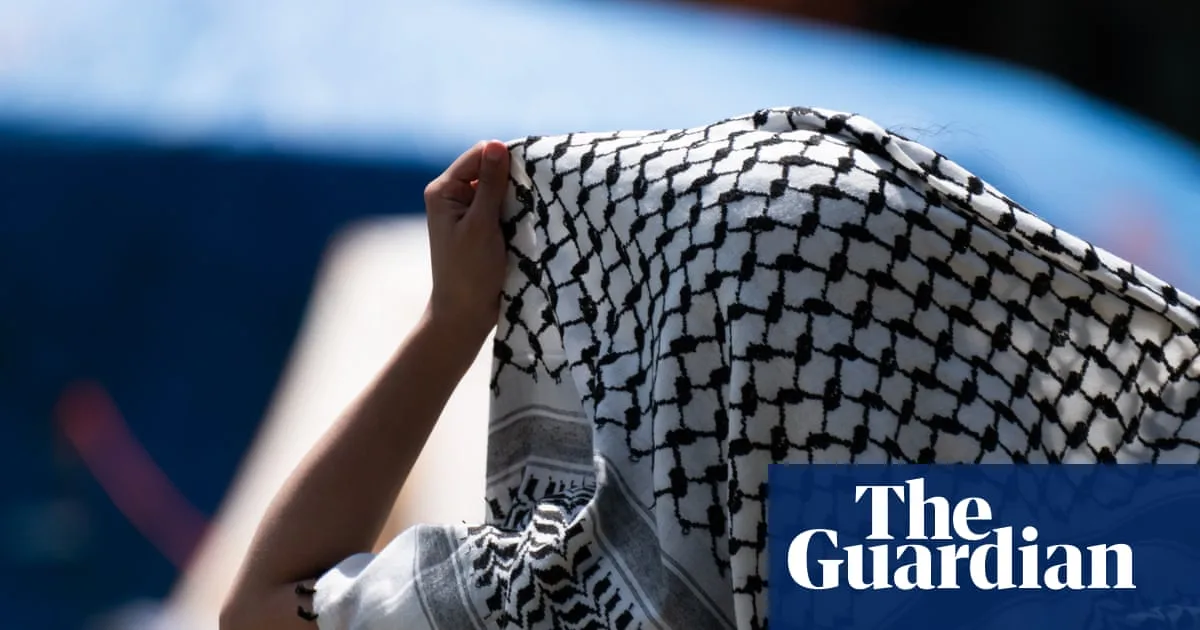
In September 2024, Jad Salamah arrived at his graduation event at Condell Park High School wearing a double-sided scarf that featured both a Palestinian flag and a traditional keffiyeh. School staff reportedly asked him to remove the scarf, citing concerns about making a political statement in a public school environment. When Salamah refused, he was denied entry to the formal, an experience he later described as ruining his high school memories.

Salamah subsequently initiated legal proceedings against the state of New South Wales, alleging racial discrimination. The education department, in a statement published on its website, confirmed that after mediation, both parties reached a confidential settlement, effectively resolving the matter. The department expressed regret over Salamah's experience and emphasised its commitment to cultural diversity and inclusiveness in public schools.

Statements from Advocacy Groups and Officials

The race discrimination commissioner, Giridharan Sivaraman, welcomed the department's acknowledgment of the importance of cultural respect but called for concrete anti-racism actions to prevent similar incidents. He stressed that systemic efforts are necessary to eliminate racism and ensure all students feel included, beyond mere discussions of social cohesion.

Nour Salman, the anti-Palestinian racism project lead at the Australia Palestine Advocacy Network (Apan), labelled the case a clear instance of anti-Palestinian racism. She argued that asking a Palestinian student to remove a keffiyeh, a recognised cultural symbol, constitutes discrimination and that schools should protect, not police, students' cultural heritage. Salman noted that the department initially denied the allegations, highlighting the need for legal action to bring about acknowledgment.

Broader Context and Implications

This case occurs against a backdrop of rising tensions in Australian schools. A report by Apan in September 2024 indicated that anti-Palestinian racism has become widespread since October 2023, particularly in New South Wales and Victoria, often used to silence discussions about the war in Gaza through fear and censorship. Simultaneously, Jewish groups have reported increased antisemitism, including threats and harassment.

Salman emphasised that the settlement should set a precedent across Australia, affirming that Palestinian identity is a protected cultural expression deserving of respect. She pointed out that it should not require legal battles for such discrimination to be recognised, urging schools to foster environments where students can express their identities without judgment.

Personal Impact and Reflections

In the aftermath of the incident, Salamah shared his distress with media outlets, stating that he had always viewed his school as a safe space where he wouldn't be judged for who he is. He explained that he wore the keffiyeh as a cultural item for special occasions, but school authorities interpreted it as a political statement, leading to his exclusion from a milestone event.

The settlement, while confidential, marks a significant outcome in addressing cultural discrimination in educational institutions. It underscores the ongoing challenges in balancing school policies with students' rights to cultural expression, particularly in diverse communities like those in south-west Sydney.