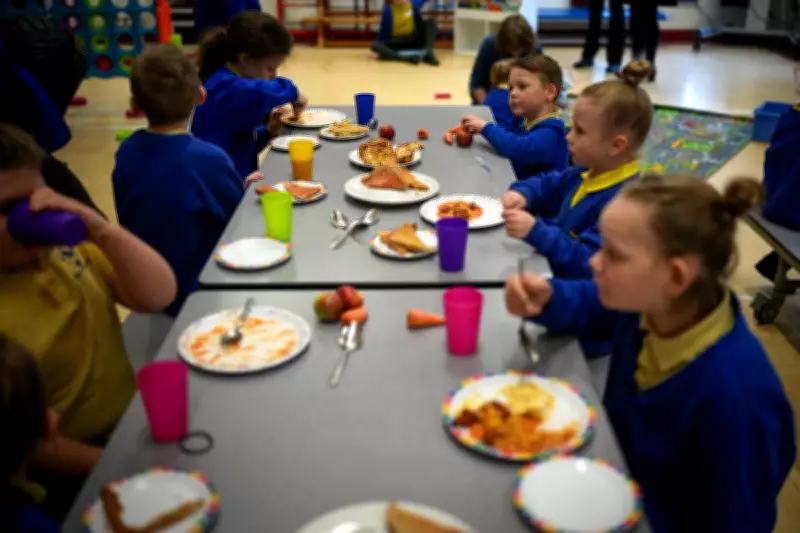
New polling has revealed significant concerns about stigma among lower income and single parents regarding government-funded free breakfast clubs, as the Labour government prepares to expand the universal scheme nationwide.
Parental Concerns Over Targeted Support
The survey findings highlight a troubling disparity in how different family groups perceive and experience government assistance. Single parents emerged as particularly affected, with nearly four in ten (38 per cent) reporting feelings of guilt about accepting targeted free help. This compares to just 28 per cent of parents with partners who expressed similar concerns.
Income Disparities in Perception
The research uncovered stark differences based on household earnings. Almost half of parents earning under £15,000 annually reported being wary of stigma surrounding free breakfast clubs. Meanwhile, only 19 per cent of higher earners on £50,000 or more shared these concerns, suggesting economic status significantly influences perceptions of government support.

More than half of surveyed parents indicated they would be more likely to use government support if it was universally available rather than specifically labelled for those in need. This finding underscores the psychological barriers that means-tested assistance can create, even when practical help is desperately needed.
Government Expansion Plans
Education Secretary Bridget Phillipson has vowed to make claiming free government help for children stigma-free, coinciding with plans to open hundreds of universal free breakfast clubs. I was raised by a single parent, so I know first-hand the struggles facing parents trying to make ends meet and how important it is to tackle outdated stigmas with practical support that people can feel every day, Phillipson stated.
The government initially trialled free breakfast clubs in 2025 with a scheme reaching approximately 180,000 pupils across 750 primary schools following the Easter holidays. From April, over 1,250 free breakfast clubs will be operational across the country, with an additional 1,500 scheduled to open in September.
Practical Benefits for Families
The expanding breakfast club programme delivers substantial practical benefits alongside its educational objectives. The clubs are predicted to save parents up to £450 annually while providing approximately 95 hours of childcare support each year.
Free breakfast clubs are revolutionising morning routines up and down the country, becoming an essential part of modern-day life for working families, Phillipson added. From settling a child into the school day to helping parents get to work, free breakfast clubs are giving every child the best start in life.
Parental Perspectives and Priorities
The polling revealed that nearly half of parents (45 per cent) would prioritise schools offering free breakfast clubs when making educational choices for their children. This statistic highlights how practical support mechanisms are increasingly influencing family decisions about education.
Single mother of three Maria Carnevale from Eastwood, Rotherham, described the transformative impact the free breakfast club has had on her family. My kids absolutely love breakfast club - it gives them such a fun, positive start to their day and the chance to chat, play and engage with their friends before school begins, she explained.
It's become something they genuinely look forward to each morning, and it sets them up in such a good mood for the day ahead. For me, it's made a huge difference too; it helps our mornings run smoothly, takes away the rush and stress, and means I can get to work on time or spend those precious moments with my newborn that I'd otherwise miss.
Addressing Systemic Barriers
The government's move toward universal provision represents a strategic approach to dismantling psychological barriers that prevent families from accessing support. By removing means-testing requirements and expanding availability, policymakers aim to normalise assistance while delivering tangible benefits to households across economic spectrums.

As the breakfast club programme continues its national rollout, education officials will monitor both participation rates and evolving parental attitudes toward government-supported initiatives. The success of this expansion may provide valuable insights for future social support programmes seeking to balance practical assistance with psychological accessibility.