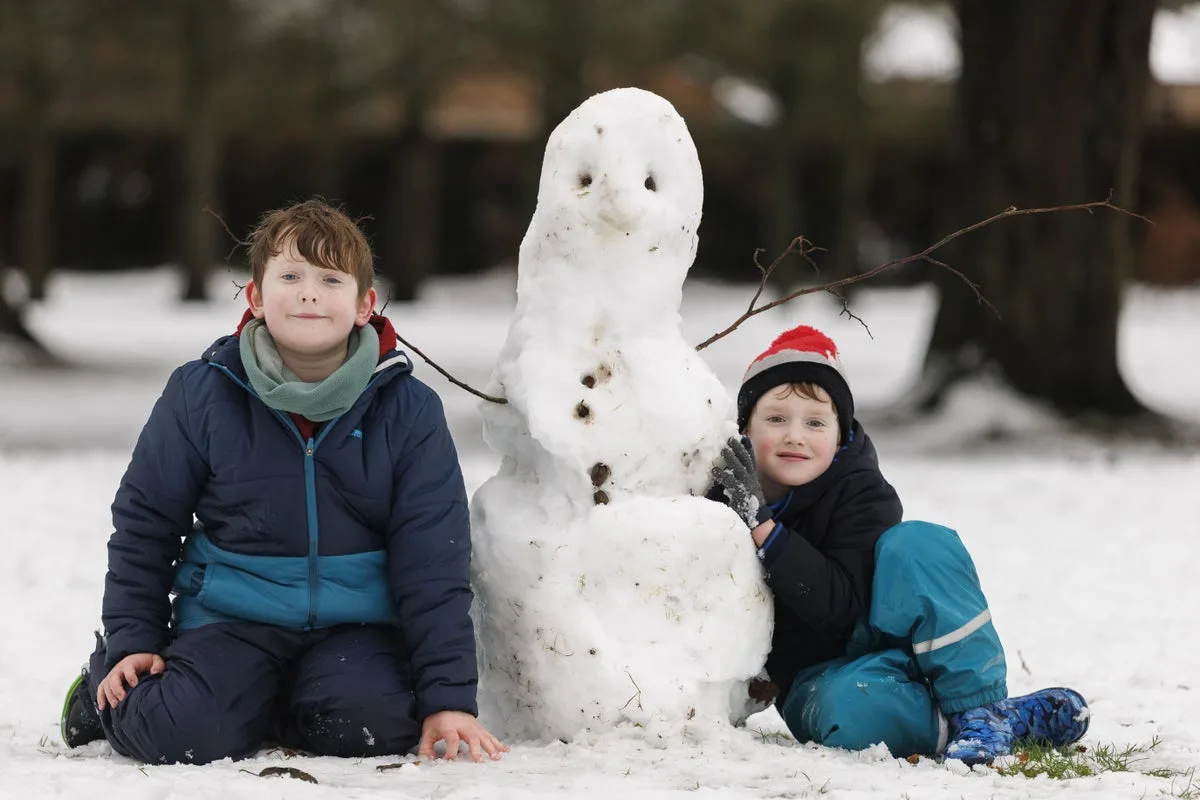
Hundreds of schools across the UK have remained shut this week, leaving thousands of children at home and disrupting parents' post-holiday work plans. The widespread closures, prompted by plummeting temperatures, snow, and ice, have seen pupils stay home on Monday and Tuesday instead of returning to classrooms.
For those affected, a guide to school closures, including how decisions are made and parental rights, is crucial. Schools typically contact parents via email, text, or a specific app, and many post updates on their websites. Local councils also list closures online; for example, on Tuesday, North Yorkshire Council listed 50 schools with closures.
In the case of bad weather, a school’s headteacher has the power to decide whether to close, considering safety issues such as staff availability and building temperatures. The Department for Education states that schools that close during severe weather should consider remote learning until they can reopen. Most schools already have remote education plans in place, including recorded or online sessions.
Parents are able to take time off work for emergencies involving dependants, which includes unexpected school closures. They are advised to let their employer know as soon as possible and to estimate the duration of absence if possible. While employers may pay for this time off, they are not obliged to do so.
Some employees may request flexible working, such as working from home or altering hours, to cope with closures. Employers may also allow last-minute annual leave. If parents believe their child cannot get to school safely, they should inform the school as soon as possible, following the usual absence reporting procedure.