Parents Warn: CBeebies' Bing Show Sparks Tantrum Concerns
Parents Warn: Bing Show Sparks Tantrum Concerns

One of the most significant anxieties for modern parents revolves around managing screen time, from determining appropriate viewing durations to selecting programmes that are both educational and suitable for young minds. As a mother to a toddler, I share the common fear of being scrutinised for my choices regarding what my child watches, or even for allowing any screen access at all.

The Inevitability of Screen Time in Modern Parenting

Exhausted parents across the UK will readily acknowledge that in contemporary life, some degree of screen exposure is almost unavoidable. Television can provide a crucial respite, offering precious moments to complete household tasks or simply enjoy a brief period of calm. Consequently, when television becomes part of the daily routine, caregivers consciously strive to ensure the content their children consume is justifiable and beneficial.

A Plethora of Preschool Programming Options

The landscape of children's television is vast, featuring acclaimed offerings like Ms Rachel alongside enduring classics such as Peppa Pig and programmes starring Justin Fletcher. Despite this abundance, there is one particular series I actively avoid whenever possible due to growing concerns about its messaging.

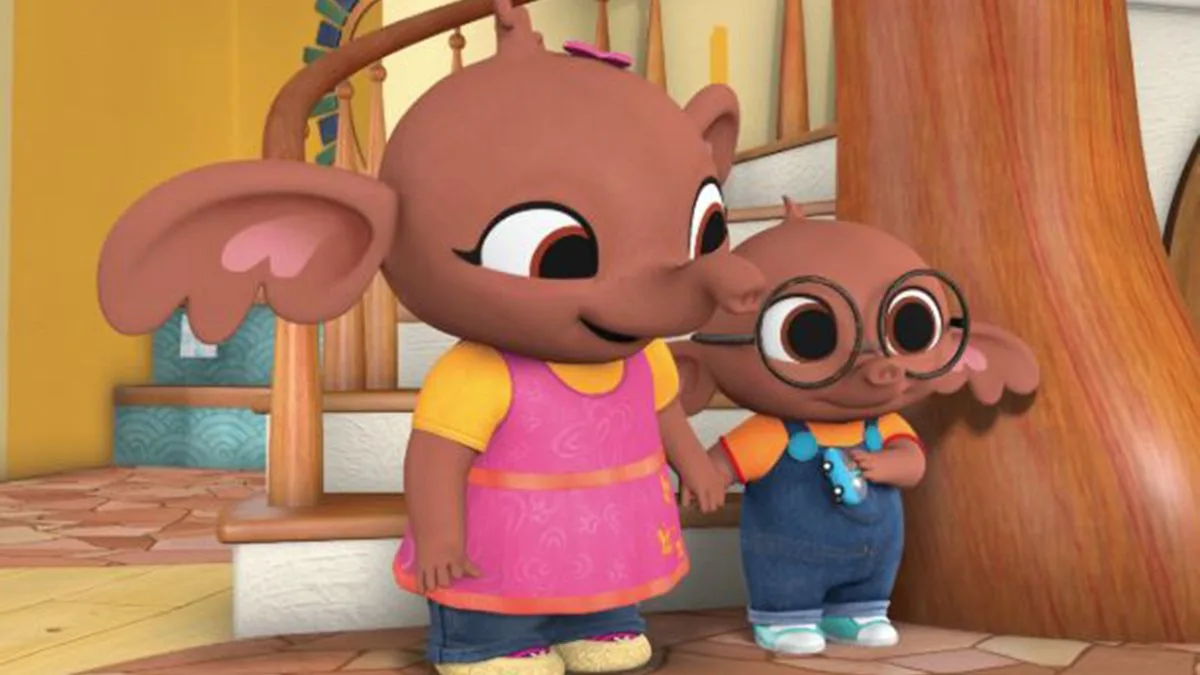
Bing is an animated series broadcast on CBeebies and available via BBC iPlayer, adapted from the beloved books by author Ted Dewan. The programme follows the adventures of a preschool-aged bunny as he encounters and navigates various everyday challenges and social situations.

Examining the Show's Approach to Discipline

He is accompanied by his caregiver, Flop—voiced by Mark Rylance in the initial season and later by David Threlfall—who guides the young bunny through the complexities of toddlerhood and offers comfort during moments of difficulty. While the series merits recognition for addressing vital developmental topics including potty training, the importance of sharing, and visits to medical professionals, I was profoundly unsettled by the apparent absence of consistent discipline shown to the central character.

The philosophy of 'gentle parenting' remains a intensely debated subject among experts and families alike. Although discipline constitutes a fundamental component of child-rearing, this particular programme may not serve as the optimal platform for advocating specific pedagogical methods.

Parental Concerns Over Behavioural Modelling

Not only does the show frequently depict Bing as what some parents have characterised as a "whiney, spoilt brat," but it also appears to inspire some young viewers to mimic these undesirable behaviours. Bing's mischievous activities range from stealing a lolly from a shop to disrupting play sessions with his younger companions, yet his mentor seldom delivers a firm reprimand or establishes clear consequences.

The most frustrating element, from my perspective, is Flop's perpetually calm and excessively relaxed demeanour when instructing Bing about life's boundaries and social rules. This portrayal strikes many as unrealistically placid given the scenarios presented.

Voices from the Viewing Public

One audience member, Samxha1, commented on IMDb reviews, stating: "This is a truly terrible programme. Positive scenarios are often ruined by Bing, the bunny who throws a tantrum and becomes moody at the smallest of things. I believe this programme encourages children to become more moany when things don't go their way." This sentiment resonates deeply with my own observations and concerns.

Conversely, the series does maintain a cohort of supporters who champion it as "excellent preschool television" because it demonstrates "important everyday lessons for kids portrayed in easily relatable scenarios." Another reviewer, Fredturner-66398, added: "Really recommend this gentle and warm show as a safe, fun and educational viewing for preschoolers."

The ongoing discourse highlights the delicate balance broadcasters must strike between creating engaging content and reinforcing positive behavioural frameworks for impressionable young audiences.