National Film and Television School Pioneers Accessible Accommodation for Disabled Students
In a landmark move to enhance diversity, the National Film and Television School (NFTS) has announced the introduction of nine fully accessible rooms and a comprehensive bursary scheme at its Beaconsfield campus, set to launch in 2027. This initiative aims to address long-standing barriers faced by physically disabled students in the UK's premier film and TV production institution.
Addressing Industry-Wide Accessibility Gaps
For years, physically disabled students aspiring to study at the NFTS encountered significant challenges, including a lack of suitable local accommodation and hundreds of inaccessible areas on the historic campus, formerly home to Beaconsfield Film Studios. With only 12% of TV employees identifying as disabled, compared to 18% across the broader labour market, the need for change has become increasingly urgent.
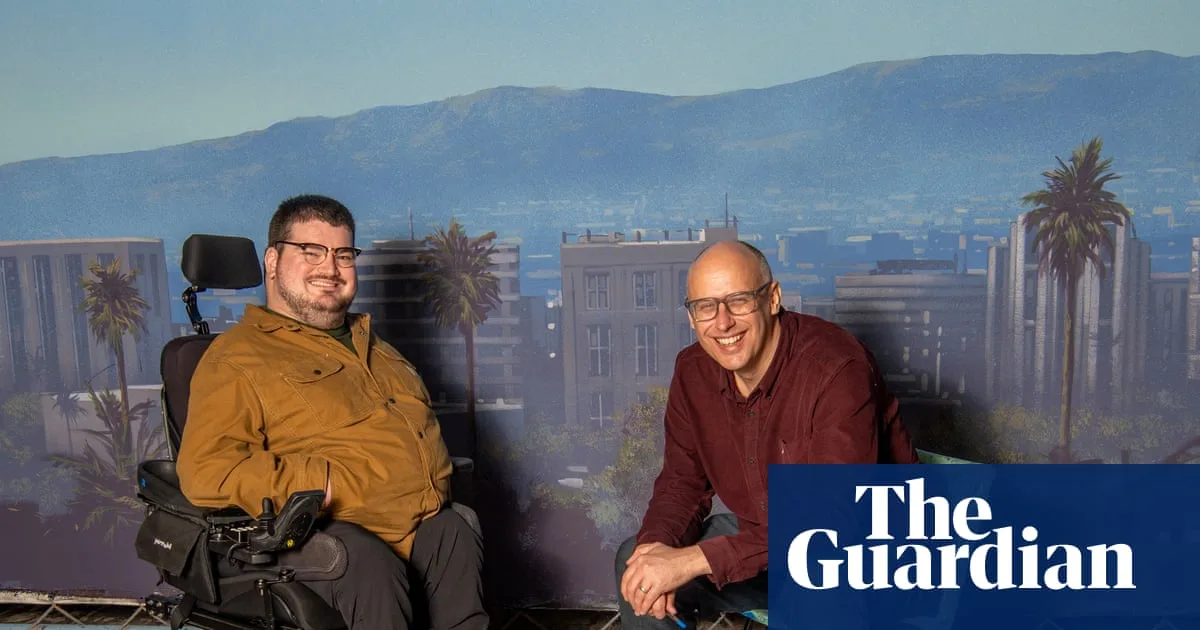
Hamish Thompson, disability advocate at the NFTS, described the new rooms and bursary as "massively transformative." He emphasised that disabled individuals often face a stark choice between attending world-class institutions like the NFTS or forgoing education altogether, leading to wasted talent. "This will open a huge amount of doors for disabled people into an industry that has traditionally not welcomed them," Thompson stated.
Driving Change Through Accessibility Audits and Industry Pressure
A recent accessibility audit revealed 200 inaccessible areas on the NFTS campus. By 2027, the school plans to reduce this number to zero, aligning with broader industry efforts to improve inclusion. The push for change gained momentum after writer Jack Thorne's 2021 McTaggart lecture at the Edinburgh TV awards, where he criticised the industry for failing disabled people and labelled disability as the "forgotten diversity."
Thompson noted that discussions on disability representation often focus on on-screen roles rather than behind-the-camera positions, which the NFTS specialises in training. He praised initiatives like the BBC's Extend programme, which reserves job opportunities for disabled people, and the rise of access coordinator roles, exemplified by shows like Strictly Come Dancing embracing disabled performers.
Progress and Future Goals in Disability Inclusion
Since Thorne's lecture, the NFTS has intensified efforts to support disabled students, resulting in a significant increase in disabled enrolment. The proportion of MA entrants with disabilities rose from 15% in 2021 to 26% in 2025, while diploma students with disabilities increased from 18% to 28% over the same period.
The new accessible accommodation will be housed in the Cubby Broccoli Building, named after the late James Bond producer Albert R "Cubby" Broccoli. This facility will expand the school's footprint by a quarter when it opens in January 2027. The project, along with bursaries and an apprenticeship programme for low socioeconomic backgrounds, is supported by £10 million in government funding and matched private investment.
Government and Industry Support for Inclusive Talent Development
Culture Secretary Lisa Nandy highlighted the government's investment, stating that talent is widespread across the UK, but opportunities are not. She asserted that addressing this disparity is crucial for maintaining the country's status as a creative powerhouse.
Jon Wardle, director of the NFTS, underscored the importance of investing in diverse talent, noting that the school receives industry funding to "find people and de-risk them" in an expensive field like film and TV. He pointed out that the NFTS already outperforms the industry in inclusion, with 33% of graduates from underrepresented backgrounds—more than double the industry rate. Wardle expressed hope to expand the school's presence in Scotland and Leeds soon, countering the industry's London-centric and middle-class tendencies.
Despite progress, Thorne cautioned that the industry is still far from representative, calling for changes in both spaces and attitudes. He commended the NFTS for leading the way in inclusion training, describing it as a "numbers game" where increased representation through the school could help the industry approach parity by 2030.