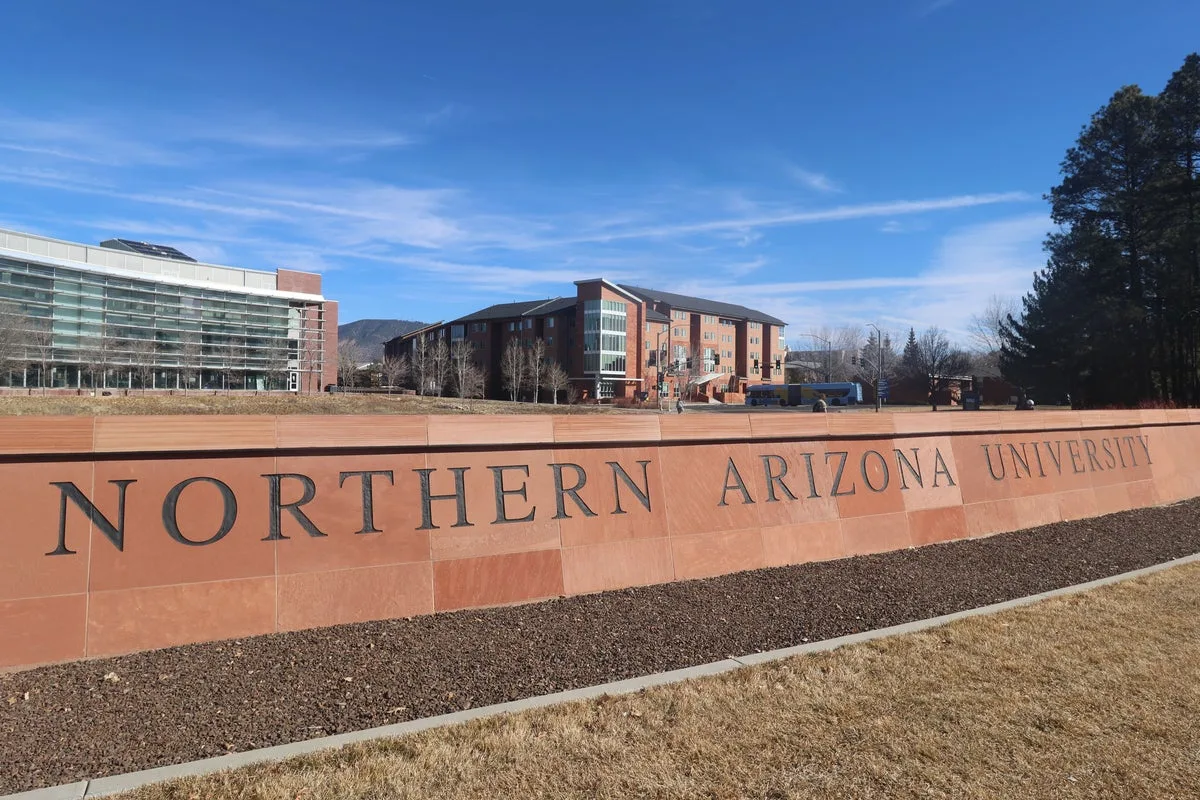
An autopsy report released on Monday has confirmed that Colin Daniel Martinez, an 18-year-old student at Northern Arizona University, died of alcohol poisoning after consuming a lethal amount of vodka at a fraternity party. His blood-alcohol level was 0.425%, more than five times the legal driving limit in Arizona and considered fatal.
Martinez was found unresponsive on January 31 and could not be resuscitated. He was one of four candidates for the Delta Tau Delta fraternity who shared two bottles of vodka with the aim of inducing vomiting, according to court documents. Some witnesses suggested the bottles may have been diluted with water.
Throughout the night, witnesses reportedly adjusted his sleeping position, checked his pulse and breathing, and looked up symptoms of alcohol poisoning. Despite these efforts, Martinez died.
Three fraternity leaders, who were 20 at the time, face potential charges of hazing. The Coconino County Attorney's Office is reviewing the case to determine if formal charges are appropriate. Following Martinez's death, the university suspended the fraternity, and the national organisation later voted to close the NAU chapter.