A controversial sex education bill backed by Prime Minister Giorgia Meloni's government has ignited fierce debate and protests across Italy, with critics labelling it a regressive attack on vital teaching designed to protect young people.
A Bill Rooted in 'Traditional Values'
The legislation, which has been passed by Italy's lower house and now awaits Senate approval, seeks to formalise strict limits on relationship and sex education (RSE) in schools. It explicitly aims to counter what the ruling coalition terms "gender ideology and the woke bubble."
Under the proposed law, sex education would be permitted in middle schools (for children aged 11-14) only with prior written parental consent, aligning with current high school procedures. It would remain banned outright in primary schools. Italy is notable as one of the few European Union nations without compulsory RSE in its national curriculum.
Rossano Sasso, the under-secretary for education, championed the bill, arguing it prevents political activists from engaging in "propaganda." He claimed that without such measures, left-wing politicians would "bring drag queens and porn actors into schools" to discuss topics like sexual fluidity. He concluded a parliamentary speech with the slogan "God, country, and family," stating this creed guides the government's action.
Fury from Opposition and Campaigners
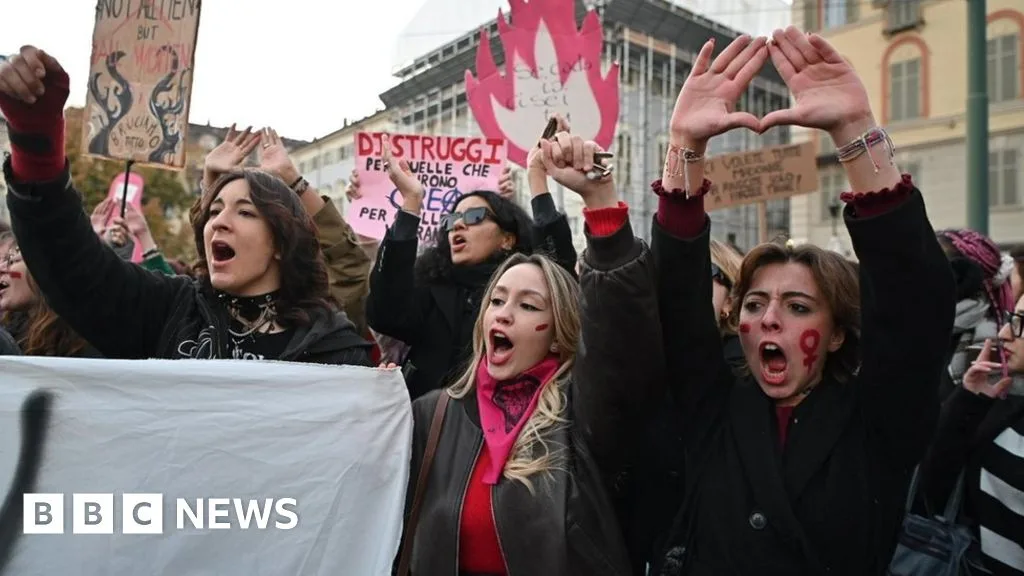
The bill has provoked significant opposition. Protesters gathered outside parliament and the education ministry in Rome, holding banners with messages like 'I told you no'. Opposition parties and campaigners argue the legislation dangerously undermines efforts to combat sexual violence and femicide.
Evidence consistently shows that comprehensive relationship and sex education helps prevent violence against women and girls. This point has been powerfully underscored by the family of Giulia Cecchetin, a university student murdered by her ex-boyfriend in November 2023, who have been vocal advocates for mandatory RSE.
Sara Ferrari, a politician with the centre-left Democratic party, stated the bill "puts obstacles in the way" of schools trying to implement a crucial tool for fighting gender-based violence. The debate occurs just a week after parliament stalled a separate landmark law that would define sex without consent as rape.
A Long-Standing Political Battle
The fight for compulsory sex education in Italy is not new. Since 1975, there have been 34 parliamentary attempts to introduce it, all thwarted by heavy lobbying from pro-life groups—who often associate the topic with abortion and same-sex relationships—and the enduring influence of the Catholic Church.
Public opinion, however, appears to be at odds with the government's stance. Two surveys conducted this year revealed that around 90% of students and nearly 80% of parents support sex education programmes in schools, highlighting a significant gap between political rhetoric and public sentiment.
As the bill moves to the Senate, Italy finds itself at a cultural crossroads, weighing traditionalist family values against evidence-based public health and safeguarding imperatives. The outcome will significantly impact the country's approach to educating its youth on relationships, consent, and personal safety for years to come.