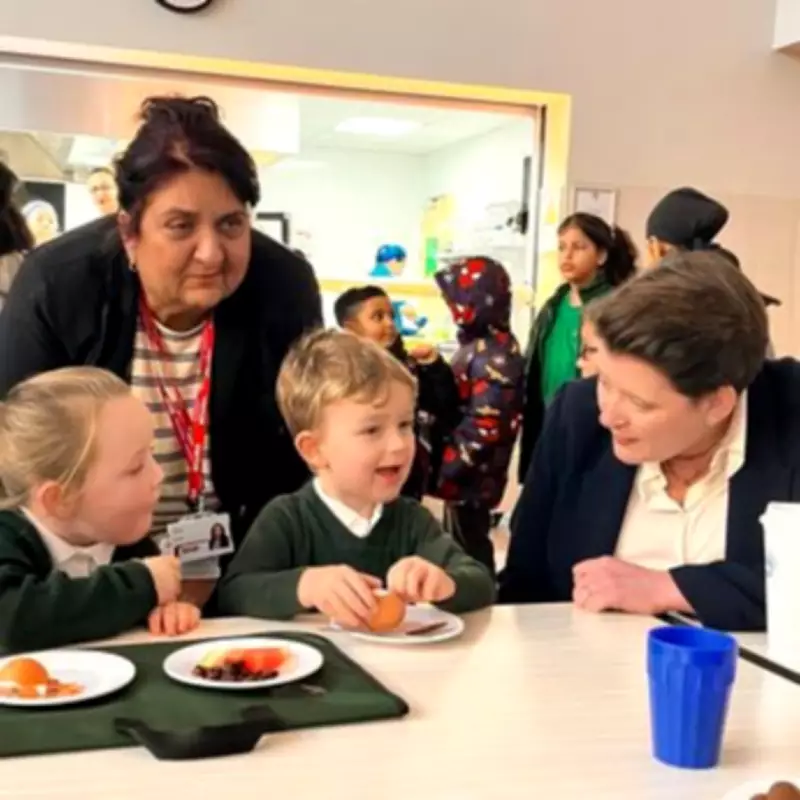
The Department for Education has confirmed a significant expansion of its free breakfast club initiative, with 500 more primary schools across England set to launch the programme from April 2026. This latest phase of the rollout specifically targets the most disadvantaged regions of the country, aiming to provide practical support to families and enhance educational outcomes for children.
Targeted Support for Disadvantaged Communities
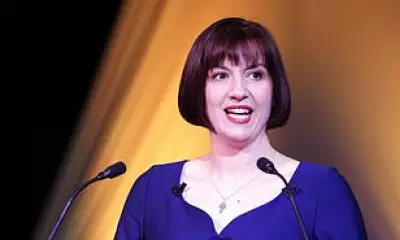
Education Secretary Bridget Phillipson emphasised the transformative impact of the scheme, stating that free breakfast clubs are "revolutionising morning routines" nationwide. "From settling a child into the school day to helping parents get to work, free breakfast clubs are giving every child the best start in life," she remarked. Phillipson added a personal note, explaining, "I was raised by a single parent, so I know first-hand the struggles facing parents trying to make ends meet and how important it is to tackle outdated stigmas with practical support that people can feel every day."
Substantial Financial Relief for Families
According to government estimates, the free breakfast clubs offer substantial financial relief, saving working parents up to £450 per year per child. The extension to 500 additional schools is projected to benefit approximately 300,000 students, building on a successful pilot programme that saw 750 schools participate last year.

Revised Funding Model and Programme Requirements
In response to feedback from headteachers, particularly those in rural areas and smaller schools, the Department for Education has revised its funding model for the next phase. Each participating school will now receive an additional £6,500 to support the operation of the breakfast club. This adjustment is part of a total funding package of £80 million allocated from the department's settlement in last Spring's Spending Review.
To qualify for the programme, schools and trusts must adhere to strict criteria:
- The breakfast club must be open to all pupils from Reception to Year 6.
- Sessions must last at least 30 minutes, providing parents with valuable extra childcare.
- Clubs must be free, accessible, and located on or near the school site.
- All breakfasts served must comply with the School Food Standards for England.
Phased Rollout and Future Plans
The expansion will occur in two main phases: 500 schools will launch their breakfast clubs in April, followed by a further 1,500 schools commencing in September. Applications for the September intake open on Monday, 9th February 2026, inviting more schools to join the initiative.
This rollout represents a key step towards the government's manifesto commitment to ensure every primary school in England has a free breakfast club by the end of the current Parliament. The long-term vision is to achieve universal access, which is believed to help remove any stigma associated with receiving breakfast support.
Evidence of Positive Educational Impact
Research and evidence consistently demonstrate that breakfast clubs contribute to improved school attendance, higher academic attainment, and better classroom behaviour among pupils. The positive effects extend beyond nutrition, fostering a more supportive and productive learning environment from the start of the school day.
Growing Parental Demand and Perception
Parental demand for these clubs is rising significantly. A recent poll commissioned by the Department for Education revealed that nearly half (45%) of parents now prioritise primary schools that offer free breakfast clubs when making their choices. Furthermore, the data indicates that six in ten (60%) parents are more likely to use a breakfast club when it is available to all pupils, underscoring the importance of universal access in encouraging participation.
The government continues to actively encourage more schools to sign up for the scheme, highlighting its dual benefits: providing essential support to families and creating a stronger foundation for children's education and wellbeing.