Queensland's working with children check, known as the blue card, has come under fire for disproportionately affecting Indigenous people, with critics arguing it fails to distinguish between serious offences and minor infractions. The system, designed to protect children, has left many Indigenous Australians unable to secure employment, even in roles not directly involving children.
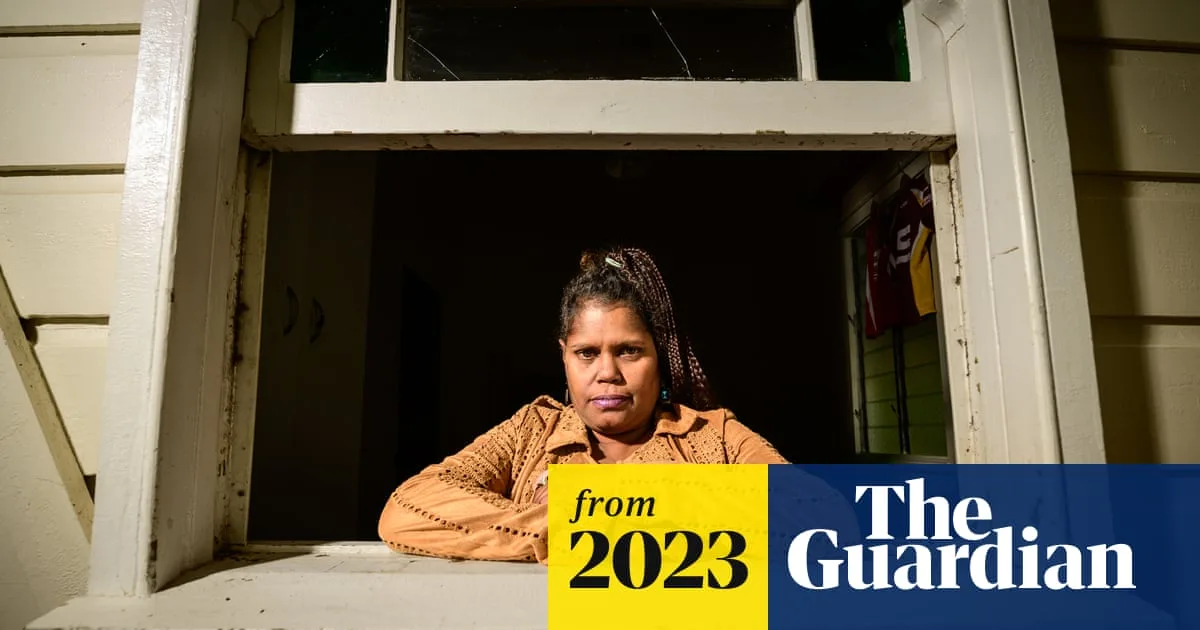
Alice Lawrence, a 43-year-old Indigenous woman from Charters Towers, lost her job as a support officer at a private school after her blue card application was rejected due to a minor drug charge from two decades ago. She described the process as humiliating and said it took 18 months to receive a response. 'I had hidden my past for so long. And then these mobs were just picking and picking,' she said.
The Queensland Human Rights Commission has highlighted that Aboriginal and Torres Strait Islander people make up 5% of blue card applicants but 22% of rejected applicants. Commissioner Scott McDougall said the system 'disproportionately disadvantages First Nations applicants and limits their human rights.' He noted that a blue card can determine whether someone can become a foster carer or remain with foster parents after turning 18.
Calvin Page from Doomadgee lost his job as a delivery contractor for a local school after his blue card renewal was rejected in 2021 due to a conviction for a minor offence, which occurred because he could not complete community service due to work commitments. 'It's hard on the small community to get a job because 90% of the time you need a blue card,' he said, adding that the system should be reformed to prevent cycles of poverty.
The blue card application process examines a person's entire criminal record, including charges that did not result in a conviction, as well as child protection orders, domestic violence information, and other relevant data. This means applicants can be rejected without having a conviction for a disqualifying offence, such as sexual offences or murder.