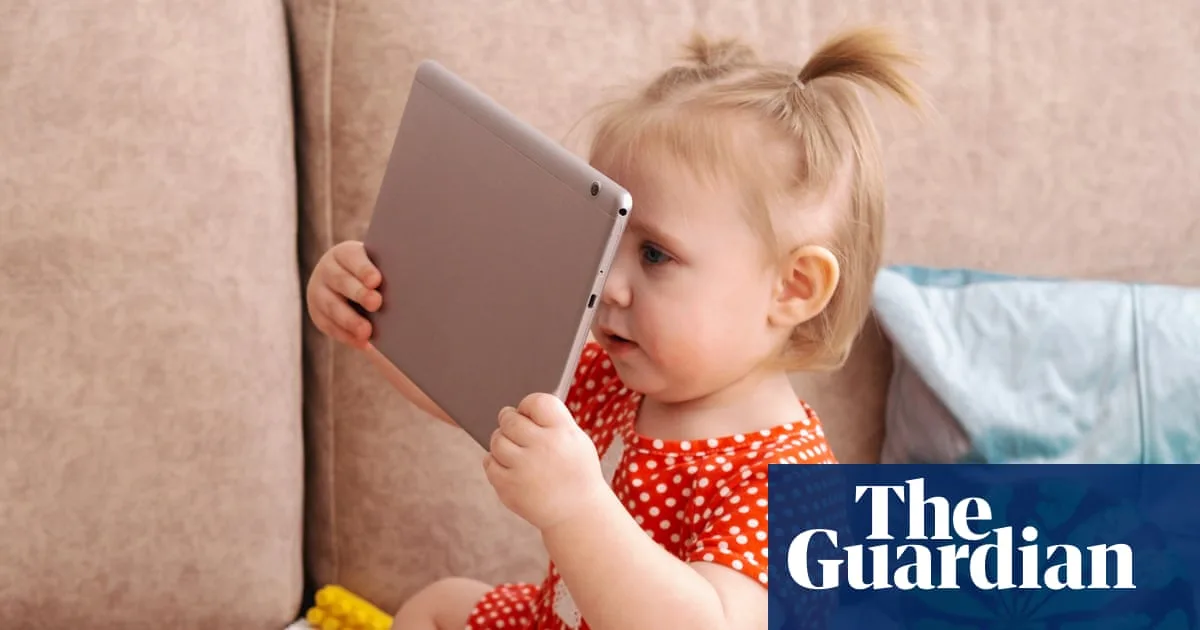
Shocking Study Exposes Excessive Screen Time in Nine-Month-Old Infants
A damning new study has issued a stark warning about the screen time habits of very young children, revealing that some infants are being placed in front of screens for more than three hours per day. Researchers have uncovered that nearly three-quarters of nine-month-old babies watch programmes on a television, smartphone, or tablet on a daily basis, raising serious concerns about their early development.
Key Findings from the Education Policy Institute Research
The study, conducted by the Education Policy Institute (EPI), analysed data from more than 8,000 families across the nation. It reported an average screen time of 41 minutes for nine-month-olds, which increases to 47 minutes for those living in single-parent households. Alarmingly, the research indicates that 2 per cent of these infants are exposed to over three hours of screen time every day.
These children with high screen usage are significantly less likely to regularly engage in crucial developmental activities. For instance, while 80 per cent of babies with no screen time go on trips outside daily, this figure plummets to just 60 per cent for those with over three hours of daily screen time. The likelihood of parents reading books together with their children also declines when screen time exceeds two hours.
Factors Influencing Screen Time and Expert Insights
The research highlighted that babies are more likely to have increased screen time if they are an only child or reside in a single-parent household. Dr Tammy Campbell, director for early years, inequalities and wellbeing at EPI, commented on the findings, stating, "This research is one piece of an expanding jigsaw of up-to-date evidence, and adds new information for a very recent, nationally representative cohort of infants."
Dr Campbell emphasised the need for further investigation into why screen use is so high among babies experiencing over three hours daily. However, she cautioned against simply demonising all screen use, advocating instead for policies that help families utilise digital tools to enhance development, bonding, and enjoyment during babyhood.
Broader Context and Government Response
Education Secretary Bridget Phillipson has noted that around 98 per cent of children watch screens daily by the age of two, with parents, teachers, and nursery staff reporting difficulties in children holding conversations or concentrating on learning. Earlier this year, government research linked higher screen use in under-twos to poorer language development, with children watching about five hours daily saying significantly fewer words than those limited to 44 minutes.
Ms Phillipson shared a personal reflection, saying, "Like so many parents, I've had evenings where you give in when your little one wants 'just one more' episode of their favourite show. But we're beginning to see the risks when 'just one more' starts to add up." The Government is expected to publish new guidance on screen time for under-fives in April, aiming to address these growing concerns.
Practical Tips for Parents to Manage Screen Time
With children as young as two using social media, as suggested by Barnardo's research, parents can take proactive steps to ensure safer online experiences. Here are some methods to help keep children safe:
- Use parental controls: Both iOS and Android devices offer features like Screen Time on iOS and the Family Link app on Android to filter content and set time limits.
- Talk to your children: Charities like the NSPCC recommend discussing online activity openly, visiting sites together, and teaching responsible internet use.
- Understand their internet usage: Tools like Net Aware, run by the NSPCC and O2, provide information on social media platforms and age requirements.
- Limit screen time: The World Health Organisation advises limiting young children to 60 minutes of sedentary screen time daily for ages two to five, and avoiding it entirely for babies.
This comprehensive study underscores the urgent need for balanced digital habits in early childhood to support healthy growth and learning.