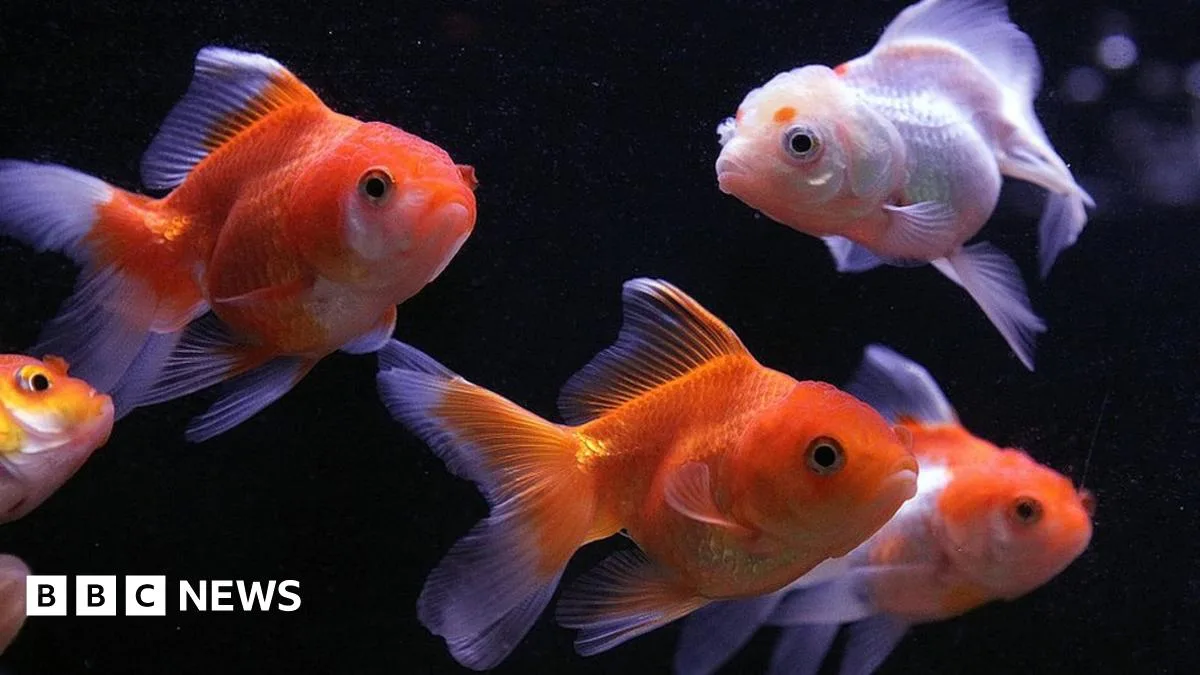
You may have heard that the average human attention span has fallen to just eight seconds, less than that of a goldfish. This statistic, widely cited in major media outlets and even by Harvard academics, appears to be unfounded. A BBC investigation has traced the figure back to a 2015 Microsoft Canada report, but the source it cites—Statistic Brain—provides no verifiable evidence.
When contacted, the National Center for Biotechnology Information and the Associated Press, listed as sources by Statistic Brain, could find no record of research supporting the claim. Psychologists who study attention say the concept of an 'average attention span' is meaningless. Dr Gemma Briggs of the Open University explains that attention is task-dependent and varies based on individual expectations and experience.
The goldfish comparison is also flawed. Professor Felicity Huntingford, a fish behaviour expert, states that goldfish have been used as a model for studying learning and memory precisely because they possess both. She notes that hundreds of scientific papers have documented goldfish memory and learning abilities.

Claims that shorter film shot lengths prove dwindling attention spans are also dismissed. The academic behind that research says it simply reflects filmmakers' improved techniques for capturing attention. The pervasive myth of shrinking attention spans appears to lack credible scientific backing.