US Funding Cuts Halt Zimbabwe Landmine Clearance, Costing Women Jobs
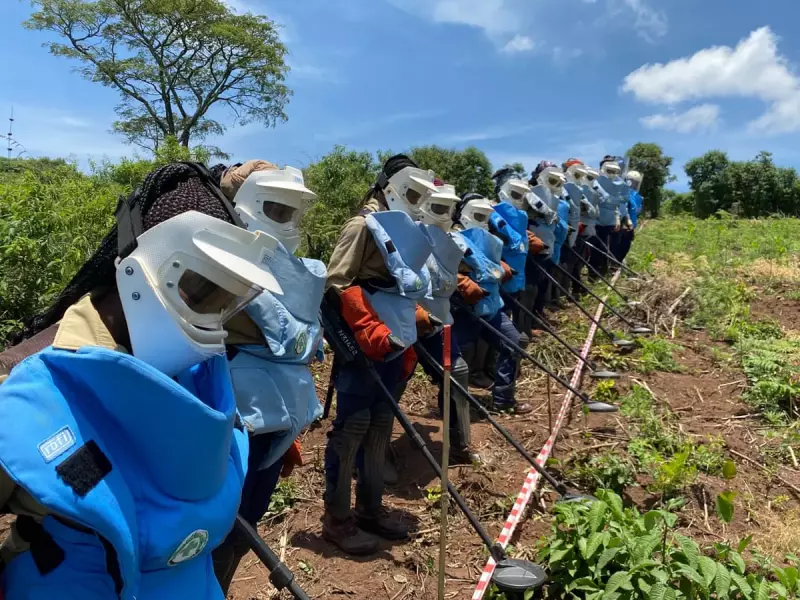
In eastern Zimbabwe, the lingering threat of landmines from the 1970s Rhodesian army continues to endanger lives, while recent financial setbacks have stripped hundreds of women of their livelihoods as deminers. Organisations dedicated to clearing these explosive remnants have been compelled to slash their workforce drastically, following significant reductions in American aid.
Personal Struggles Amidst Global Politics
Hellen Tibu, a 22-year-old landmine-disposal expert, exemplifies the human cost of these cuts. Previously employed by Apopo, an international de-mining group, Tibu earned up to $490 monthly—a sum surpassing the salaries of many Zimbabwean government workers. This income allowed her to support her parents, pay for her sister's education at an elite school, and maintain a rented home in Mutare.
"Life became tough," Tibu recounts. "I was the breadwinner in my family." After funding from the US State Department's weapons removal office ceased under the Trump administration, Apopo dismissed most of its staff in February 2025, with operations halting entirely by June. Tibu now struggles to afford basic necessities, having moved in with a relative in the overcrowded Sakubva township and withdrawn her sister from private schooling.

The Scale of the Mine Crisis
The Zimbabwe-Mozambique border remains heavily contaminated with millions of landmines, remnants of the liberation war era. In some regions, estimates suggest a density of 5,500 mines per kilometre. Since Zimbabwe's independence in 1980, these devices have claimed over 1,500 casualties and resulted in the loss of approximately 120,000 farm animals.
Women have played a crucial role in addressing this hazard, constituting more than 30% of Apopo's staff in Zimbabwe. Many were single mothers or widows, for whom demining offered not only financial stability but also personal significance, as women and girls are often most at risk while performing agricultural tasks.
Broader Impacts on Humanitarian Efforts
The funding shortfall has affected other organisations as well. The Halo Trust, a British charity, reduced its workforce from 470 to 230 employees in June 2025 due to similar cuts. Programme manager Oliver Gerard-Pearse expressed regret over the decision, emphasising that "every role lost affects not just an individual, but their family and the communities we serve."
Robert Burny, former country director at Apopo, noted the organisation's efforts to mitigate the impact, including compensation and selling materials at affordable prices to aid staff transitions. However, the abrupt termination of grants has left many, like Marlin Gombakomba, a 31-year-old single mother, grappling with poverty. "Things became different after losing my job," she says, now surviving on meagre earnings from selling secondhand clothes.
Looking Ahead with Uncertainty
As Tibu works to save for her sister's exam fees, she remains hopeful yet uncertain about the future of de-mining in Zimbabwe. "I am not sure if the clearing organisations will secure funding," she admits, adding that she would seize any opportunity to work abroad in mine clearance. The situation underscores the fragile dependency of humanitarian projects on international aid and the profound consequences when such support is withdrawn.