Vanuatu Indigenous Leaders Challenge Royal Caribbean's Lelepa Beach Club Plans
Indigenous community leaders in Vanuatu have voiced significant concerns regarding plans by the cruise operator Royal Caribbean to construct a private beach club on the island of Lelepa. They argue that the company's environmental impact assessments are "incomplete" and "misleading", potentially endangering fragile ecosystems and a nearby UNESCO World Heritage site.
Details of the Development and Community Opposition
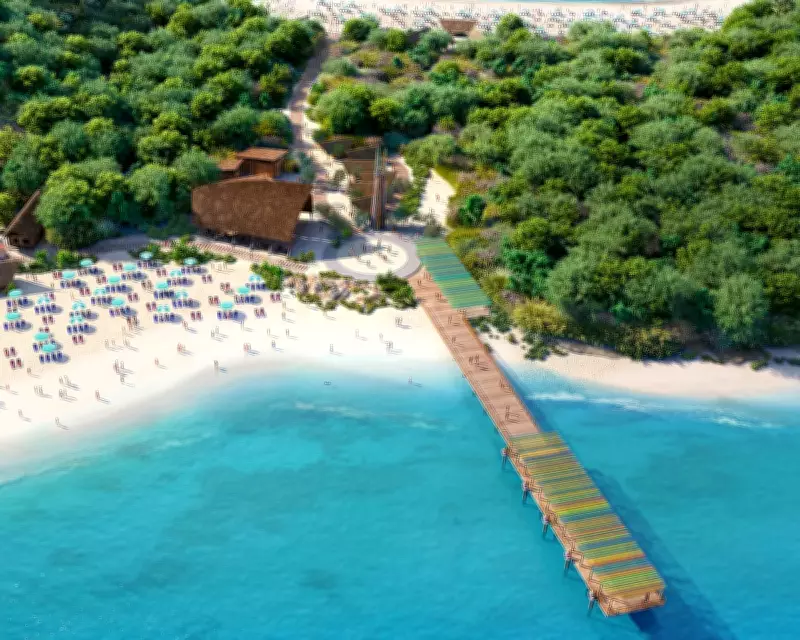
Royal Caribbean has leased portions of Lelepa, a 5km-long island with approximately 500 residents, to develop a resort capable of hosting up to 5,000 visitors daily. The project, scheduled to open in 2027, will feature 10 bars, two eateries, and two private beach resorts, including an adults-only area. Cruise ships will transport passengers from Australia to Lelepa as part of Pacific tours.
In a letter dated 26 February, seen by the Guardian, Lelepa's council of chiefs criticized the environmental impact assessment commissioned by Royal Caribbean. They stated that the report "does not meet the standards required under Vanuatu law" and that local communities were not adequately consulted. The chiefs are demanding that construction halt until outstanding assessments and consultations are approved by them and customary landowners.

Cultural and Environmental Concerns
The council has also called for a cultural heritage assessment to protect customary sites, such as Fels Cave, which contains ancient rock art and is a culturally significant world heritage site. Lelepa's paramount chief, Ruben Natamatewia III, expressed support for tourism development but emphasized the need for more community consultation, stating, "There needs to be lots of consultation so every person here understands what they are doing and can approve the work to go ahead."
Chief Tungulman Albert Solomon Peter Manaure, an Australia-based representative, highlighted worries about impacts on turtle nesting sites and fishing grounds, noting, "The ocean and the land are our bank – that's where we harvest our resources. If Royal Caribbean wants to do this project on Lelepa, we want to make sure it is done in the right way, with the environment properly protected."
Royal Caribbean's Response and Broader Context
In response to inquiries, Royal Caribbean initially asserted that its EIA complied with Vanuatu regulations and that the development was distant from the world heritage site. After further questions, the company stated it is incorporating feedback from public consultation into the final EIA, addressing environmental protection and waste management. A spokesperson said, "Royal Caribbean is progressing all necessary permits to support and advance the Royal Beach Club Lelepa development," adding they are collaborating with government, chiefs, and local communities to protect natural ecosystems.
Lelepa has been a regular stop for Royal Caribbean cruise ships, with discussions about a permanent facility dating back to at least 2018. The environmental impact of cruise tourism is under increasing scrutiny globally, with European ports imposing restrictions due to pollution and overtourism. Joseph Cheer, a professor of sustainable tourism, commented, "Cruise tourism is often criticised for its adverse environmental impacts and influence over small island countries. With good governance, it is possible to overcome friction points."
Vanuatu's government did not respond to requests for comment, leaving the future of this contentious project uncertain as Indigenous leaders advocate for greater transparency and environmental safeguards.