UN Adopts Ghana's Resolution to Class Slave Trade as Crime Against Humanity
The United Nations has voted to describe the transatlantic chattel slave trade as the "gravest crime against humanity" and called for reparations as "a concrete step towards remedying historical wrongs". This landmark resolution, passed on Wednesday, was backed by the African Union (AU) and the Caribbean Community (Caricom), and proposed by Ghana's president, John Dramani Mahama.
Voting Results and International Reactions
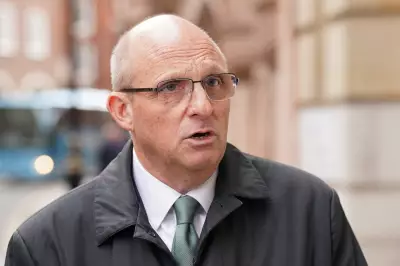
In the vote, 123 states supported the resolution, while Argentina, Israel, and the United States voted against it. There were 52 abstentions, including the United Kingdom and members of the European Union. James Kariuki, the UK chargé d'affaires to the UN, stated that Britain continues to disagree with fundamental propositions of the text, arguing against creating a hierarchy of historical atrocities.
"No single set of atrocities should be regarded as more or less significant than another," he said, reflecting the UK's stance on the matter.

Historical Context and Impact
For four centuries, seven European nations, including the UK, enslaved and trafficked more than 15 million Africans across the Atlantic. The scale of this chattel slavery led 18th and 19th-century abolitionists to coin the term "crime against humanity" to describe it. Historians have linked wealth from enslavement to mass industrialisation in the West, highlighting its profound economic and social impacts.
Jasmine Mickens, a postgraduate student at Harvard University, emphasised that framing it as a trade distorts reality, noting it was not a consensual joint business enterprise.
Push for Reparatory Justice and Political Recognition
Ghana has been at the forefront of efforts across Africa and the Caribbean for reparatory justice, pushing for updated terminology to reflect the lingering impact of chattel slavery. Experts involved in drafting the resolution say it aims for "political recognition at the highest level" for one of history's darkest eras.
Kyeretwie Osei, head of the AU's economic, social and cultural council, explained that the resolution is not about creating a hierarchy of crimes but properly situating this chapter in history, given its world-breaking impact that set the stage for subsequent atrocities.
Challenges and Future Steps
While the resolution is not legally binding, it is expected to pave the way for more progress in a fight that scholars and politicians say has been hampered by the rise of rightwing movements in the West. The AU has been working to codify chattel slavery as a crime requiring not just apologies but reparatory justice.
Before the vote, Mahama lamented the erasure of Black history in the US through censorship in schools, warning that such policies are normalising historical amnesia. The UN first acknowledged slavery as a crime in 2001, but this resolution marks a significant step forward in addressing its continuous legal reality.