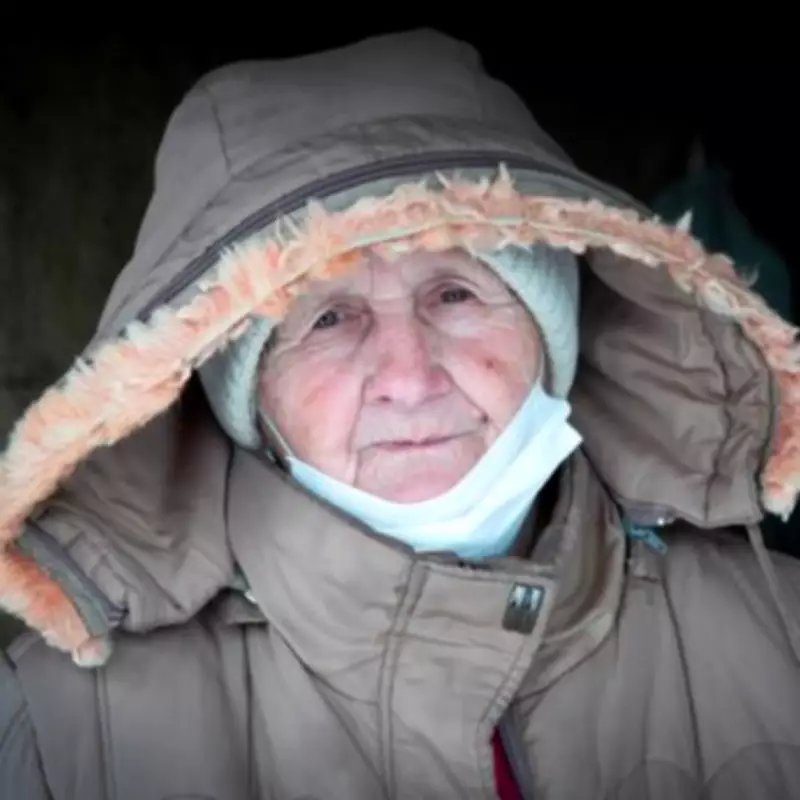
Life Endures in Ukrainian Village Despite Brutal Russian Occupation
Dead sunflowers line the road into a snowy Ukrainian village, only miles from the ongoing fighting. Despite the immense hardship of overcoming a brutal Russian occupation, life here has stubbornly endured, holding onto the fragile hope that it might bloom once again. Faint booms and sporadic gunfire in the distance provide a constant, grim soundtrack to a visit to Kramarivka in the Kharkiv oblast of north-east Ukraine.
The Scars of Occupation
The frontline now lies approximately twenty miles away, but this village was once itself a scene of profound terror and subjugation. Grandmother Nina Zhdaniyuk, aged seventy-one and a lifelong resident, recalls the acute pain of living under Kremlin rule with chilling clarity. "People were prisoners in their own homes; men were stripped naked," she states, her voice heavy with memory.
"Russians entered our village on heavy vehicles with their faces hidden," Nina continues. "People were terrified and hiding. The Russians moved in horrible convoys and I was convinced they were going to ruin our village completely." Her anger surfaces as she adds, "They are f***ing animals. They did not allow us to leave. We were locked in our houses. They stripped the men naked, even people with disabilities, and searched their bodies for traces of gunshot."

This was an apparent reference to bruising left by the butt of an automatic rifle—a sign a man might be a soldier. "This was how they tried to find Ukrainian soldiers who, in their opinion, could have changed into civilian clothes," she explains.
A Community's Resilience
With the recent marking of four years since Russia's full-scale invasion, Kramarivka stands as one of many settlements in the region that was seized before being liberated. The village's occupation lasted from March until the autumn of 2022. "In truth, we were prisoners," Nina says. "We had neither money, nor food. Nothing. Some people even baked bread from the remnants of wheat they could find."
Yet, through the deprivation, her faith never wavered. "We believed, we sincerely believed that we would be free and that this day would come. We believed all the time," she affirms. When asked for a message to Russian leader Vladimir Putin, this brave elderly lady does not mince her words. "I wish him a torturous death. Him and his commanders. We didn't touch them—they came to us and kill our children. They are not humans," she declares.
Recovery and Aid
During a tour of the village, Nina walks down to the humble home she shares with her husband and daughter. A local shop is stocked with popular Ukrainian foods like pickled cabbage and dumplings—small signs of normalcy. Before the occupation, the village population was 180, including 32 children. Now, there are about 160 residents, with 28 children, the youngest being just six years old.
Nina is among the villagers receiving assistance from the British charity UK-Med, whose staff visit to provide crucial healthcare. Nurse Katerina Lutsenko, part of a team that includes a doctor and a community health worker, explains their mission. "We work in very remote locations where people are cut off from basic services and medical care. They cannot reach the nearest district hospital for help. This includes de-occupied villages like this one," she says.
She clearly takes immense pride in this vital work. "Unfortunately, the war continues and many people still desperately need our help and medical care. We are doing really important work," Lutsenko adds.
Unbreakable Spirit
Another resident helped by the charity is widow Nadiia Sytnyk, aged seventy-three, who lives with her daughter and son-in-law. She has also called this village home her entire life and is determined never to leave. Nadiia offers a stark snapshot of the occupation's pain. "We were hiding, scared. It was extremely difficult. Sometimes we didn't have bread or anything to eat. What could we do? We ate what we found in the cellar," she recalls.

The community's spirit shone through even in darkness. "If somebody had any food, they shared it," she remembers. "Especially for families with children." The day of liberation remains etched in her memory. "We saw our military coming, we ran out of the houses. We felt like jumping onto the tanks ourselves. My daughter was crying with relief," she says.
Nadiia voices the weary hope shared by many. "We just wonder when this war will be over. Nobody knows. We are waiting for an end and looking forward to it. It's becoming more and more difficult to move on and not to lose heart. Life is hard, but it is how it is."
Hopes for the Future
Nina also vividly remembers the village's liberation. "The Russians were escaping. We heard a rumbling and feared something terrible was about to happen," she explains. "But it turned out to be a tank flying the Ukrainian flag. From that moment, we could leave the village, and they began to bring us bread and humanitarian aid."
Yet, Nina's aspirations extend far beyond mere survival. "I want our village to flourish," she says with determination. "I want peace and prosperity. I want there to be a hospital, to go to sleep without worrying whether we will wake up tomorrow. I want children to be able to play in the streets freely, not run away in fear from every sound." In Kramarivka, life endures, and with it, the resilient hope for renewal and peace.