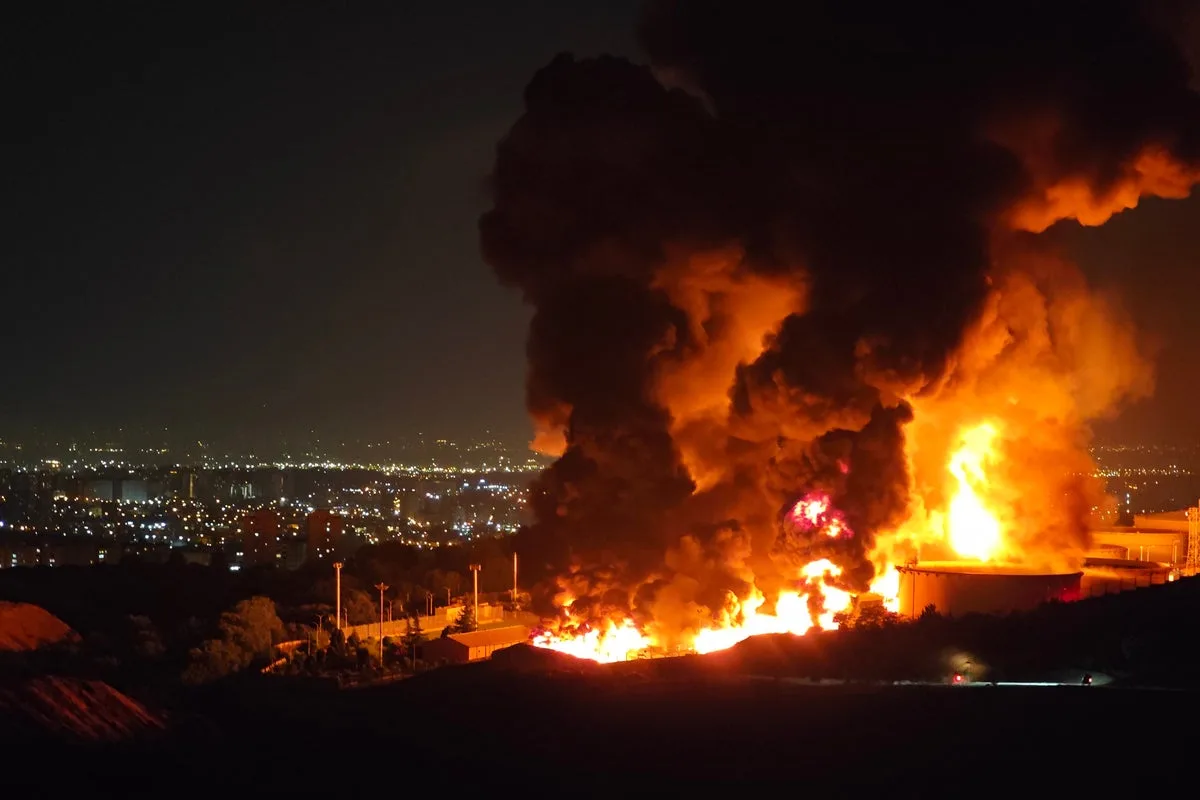
It is always difficult to assess the significance of events in real time, but some moments are immediately recognisable as epoch-defining. For one commentator, the recent US-Israeli attack on Iran ranks alongside the fall of the Berlin Wall in 1989 and the 9/11 attacks in 2001 as a turning point in world history. The assassination of Iran's supreme leader, Ali Khamenei, along with a swathe of senior leadership, has dealt a devastating blow to the state, setting an extraordinary precedent in the modern era.
The decision by the United States and Israel to attack Iran was one of choice rather than necessity, further dismantling a world order that, while imperfect, had provided some semblance of international law for decades. Unlike the 2003 Iraq intervention, which sought UN approval and built alliances, President Trump bypassed diplomatic channels, announcing the start of 'major combat operations' after growing impatient with negotiations. 'We warned them never to resume their malicious pursuit of nuclear weapons,' he said. 'We can't take it any more.'
The attack decimated Iran's political, clerical, and military leadership, effectively decapitating its chain of command. An interim leadership council has been formed to steer the country until a new supreme leader is chosen, with regime survival as its sole priority. The calculation is that unleashing chaos across Israel, US bases, and Gulf states may pressure these nations to leverage Trump and Israeli Prime Minister Benjamin Netanyahu.
Iran's neighbours have been struck by missiles and drones, partly due to the collapse of the leadership's information and communication channels. Foreign Minister Abbas Araghchi has made apologetic calls to Oman and others, explaining that Iran's military units are now 'independent and somewhat isolated,' acting on general instructions given in advance. Meanwhile, Trump has claimed that Iran wants to talk and that he has agreed to do so, though the substance of any potential talks remains unclear.