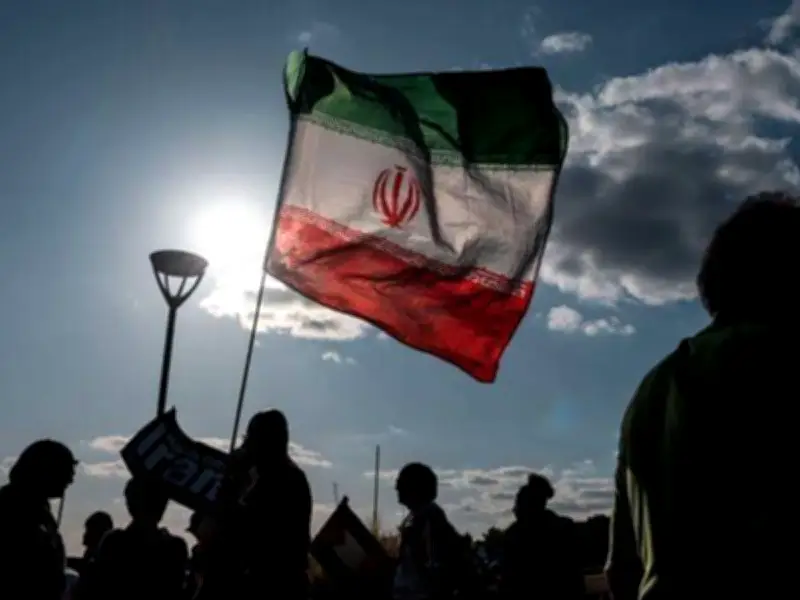
Iran is reportedly in the 'advanced stages' of plans to target US officials and citizens across the world, including in Europe, according to US intelligence officials who have raised the alarm with Secretary of State Marco Rubio.
The New York Times reports that intelligence officials alerted Rubio to the dangers facing State Department staff in the Middle East and beyond. US officials said the Iranian schemes also involve potential targets in Europe.
Intelligence memo details threats
A memo from Jay Clayton, the director of national intelligence, revealed that agencies had "received intelligence that Iran has substantially increased efforts to target US personnel." The memo added: "The lethal plotting efforts by the Iranians against U.S. citizens have reached advanced stages in both the Middle East and certain other countries."
This follows the US ordering its diplomats and their families to evacuate Saudi Arabia amid security fears there. The US State Department is scaling back personnel at four embassies in the Middle East after receiving intelligence about Iran's intentions.
Embassy staffing reduced
Staffing has been reduced in Jordan, Lebanon, Qatar and the United Arab Emirates. The embassies concerned are all operating under what's known as "restricted operations" status, which has already cut the number of staff present. The embassies will remain operational.
However, unlike in Saudi Arabia, where non-essential US personnel and their families were ordered on Wednesday to leave the country, staff in the other four nations are not being forced to depart.
Regional tensions over Strait of Hormuz
According to Iranian state television, the Revolutionary Guard navy this week again threatened to attack US military bases across the region, warning that America must halt its assistance in guiding commercial vessels through the Strait of Hormuz — a vital passage for the world's energy supply.
Iranian Foreign Minister Abbas Araghchi wrote in an opinion column in the Financial Times this week: "Any further escalation around the Strait of Hormuz or elsewhere in the region will put civilian lives and the well-being of all regional states and the global economy at great risk."
With the conflict having ground to a stalemate, mediators are working tirelessly to coax Washington and Tehran back to the negotiating table for formal discussions.