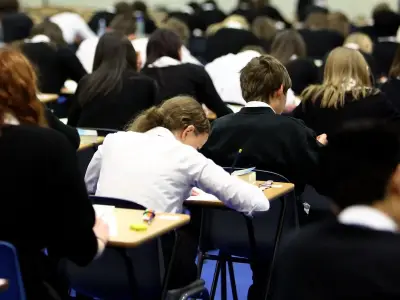
Only 4 per cent of disadvantaged pupils met the higher standard in reading, writing and mathematics (combined) in 2026, compared with 11 per cent of other pupils, according to analysis of Department for Education (DfE) data. The Institute for Public Policy Research (IPPR) says this shows the need for a 'fairer and more reliable' primary school exam system.
Researchers found that the content of statutory tests in English primary schools 'routinely assumes' cultural experience and background knowledge that pupils do not equally have. For example, tests for Year 6 pupils in previous years have included writing tasks which refer to skiing or foreign travel.
IPPR Calls for Assessment Overhaul
The Key Stage 2 assessments in Year 6 are used to hold primary schools to account. The IPPR report said: “England’s primary school accountability and assessment system is not working well for disadvantaged children.”
According to the researchers, judging schools on a single national benchmark causes 'perverse incentives' and makes a curriculum that 'significantly affects disadvantaged pupils' more narrow.
Proposed Changes and Government Response
The IPPR is calling on the DfE to introduce an independent 'statutory and bias audit' for all Key Stage 2 assessments. They also want to scrap the 'not-fit-for-purpose' grammar, punctuation and spelling test (GPS) in Year 6, and end the publication of school-level Key Stage 2 results.
The government confirmed in response to the Curriculum Assessment Review that they have 'no plans to radically change' the Key Stage 2 national assessments. However, they said it would ask the Standards and Testing Agency (STA) to amend the existing GPS test, which is commonly known as the SPaG test.
Impact on Disadvantaged Children
Conor Carleton, children and young people policy consultant at IPPR, said: “As the Children’s Commissioner sounds the alarm over the impact of inequality on childhood, this year’s Sats results show disadvantaged children are three times less likely to achieve the highest marks.
“Too often the primary assessment system encourages a narrower curriculum and intensifies pressure on teachers, and ends up reflecting children’s circumstances rather than their potential.
“We need to see urgent change. This doesn’t mean abandoning standards or accountability, but it does mean redesigning the system so that it supports schools, teachers, and pupils to succeed.”