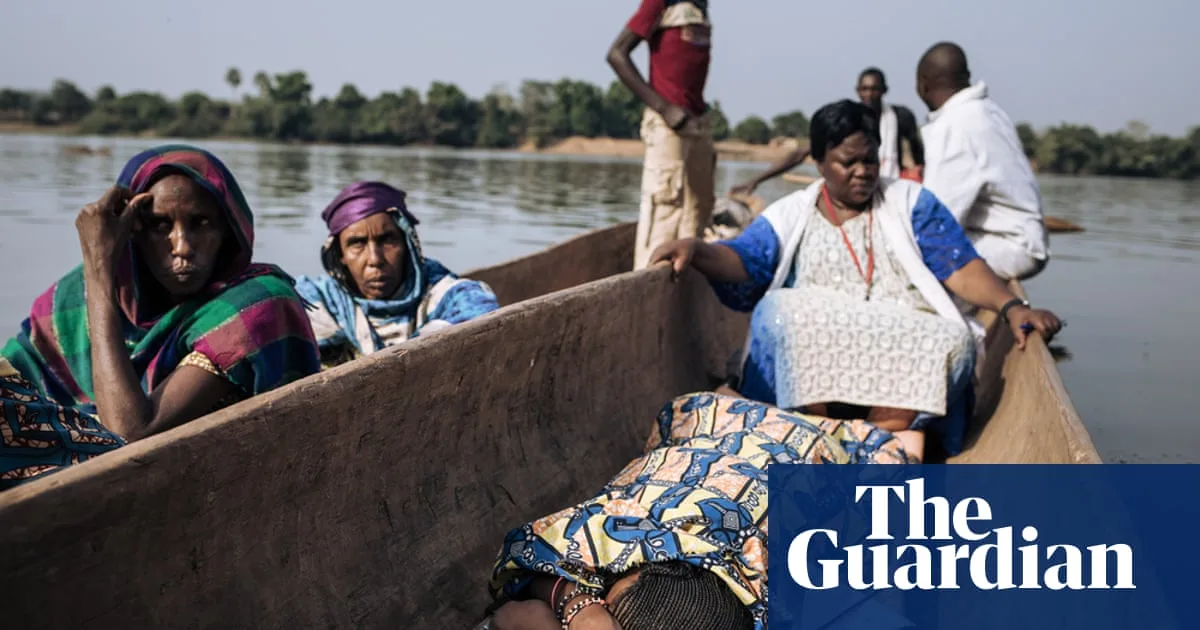
UN agencies have warned that aid cuts by wealthy nations could lead to a surge in maternal deaths, with effects comparable to a pandemic. A new report on maternal mortality trends highlights that pregnant women in conflict zones face an 'alarmingly high' risk, five times greater than elsewhere.
Global maternal deaths fell by 40% between 2000 and 2023, but progress has slowed since 2016. An estimated 260,000 women died from pregnancy-related causes in 2023. The authors caution that funding cuts threaten to reverse these gains, with US cuts already causing clinic closures and supply chain disruptions for life-saving medicines.
Dr Bruce Aylward of the WHO noted that the Covid-19 pandemic, which caused a 40,000 rise in maternal deaths in 2021, offers a parallel. 'With Covid, we saw an acute shock to the system, and what’s happening with financing is an acute shock,' he said, warning of 'pandemic-like effects'.
The report reveals stark inequalities: in poor countries, there were 346 maternal deaths per 100,000 live births in 2023, nearly 35 times the rate in rich nations. Conflict-affected countries account for 61% of global maternal deaths but only 25% of live births. A 15-year-old girl in a poor country has a one in 66 chance of dying from pregnancy-related causes, compared to one in 7,933 in a rich country.
Unicef's Catherine Russell urged investment in midwives and community health workers, stating: 'The world must urgently invest... to ensure every mother and baby has a chance to survive and thrive.' The report calls for maintaining critical services and improving access to family planning and education.