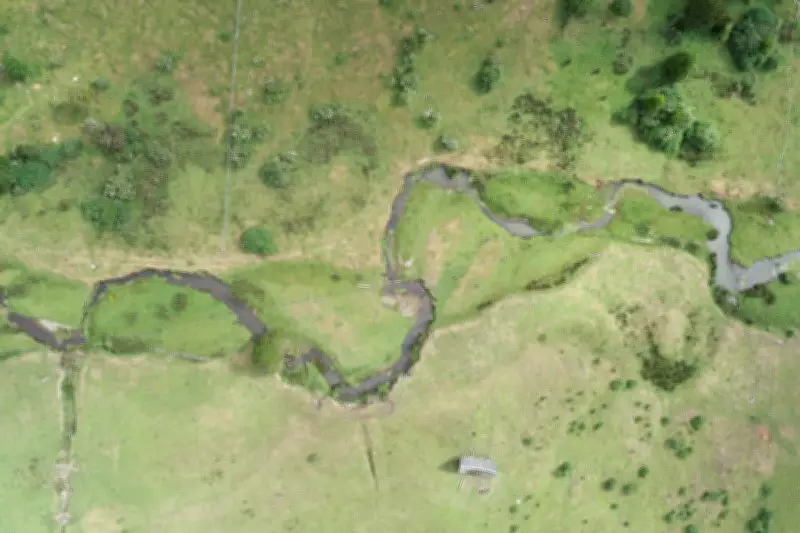
A groundbreaking new study has reignited a long-standing debate about the timeline of human arrival in the Americas, challenging established archaeological theories with fresh evidence from a key site in Chile.
Monte Verde's Established Legacy
For decades, the Monte Verde archaeological site in Chile has been regarded as the strongest evidence for the earliest human settlement in the Americas. Previous findings from this location dated back approximately 14,500 years, positioning it as a cornerstone in understanding pre-Clovis cultures and early migration patterns.
New Geological Interpretations
Published in the prestigious journal Science, the recent study presents a controversial reinterpretation of Monte Verde's geology. Researchers identified a volcanic ash layer from 11,000 years ago, leading them to conclude that all artefacts and wood found above this layer must be more recent. This analysis suggests the site is significantly younger, potentially no older than 8,200 years.

Scientific Controversy and Disputes
The new findings have sparked intense debate within the archaeological community. Several scientists, including those involved in the original excavations, have raised concerns about the study's methodology. They dispute the conclusions, citing issues with sampling methods and the disregard for previously dated artefacts that supported the older timeline.
Implications for Migration Theories
If the revised date for Monte Verde is accepted, it could reopen discussions about the most likely routes early humans took to reach the Americas. While other pre-Clovis sites have since been discovered in North America, Monte Verde's potential re-dating may influence models of coastal versus inland migration paths and the timing of these ancient journeys.
This study underscores the dynamic nature of archaeological research, where new evidence can prompt reevaluations of long-held beliefs. As the scientific community continues to debate these findings, the story of human arrival in the Americas remains a complex and evolving narrative.