South Sudan Aid Crisis Deepens as Fighting Blocks Vital Humanitarian Access
Humanitarian organisations in South Sudan are raising urgent alarms over severely restricted access to the conflict-ravaged eastern state of Jonglei. This blockade is leaving thousands of vulnerable people without lifesaving medical care and food assistance, as intensified fighting between government and opposition forces creates a dire humanitarian emergency.
Critical Services Suspended Amid Escalating Violence
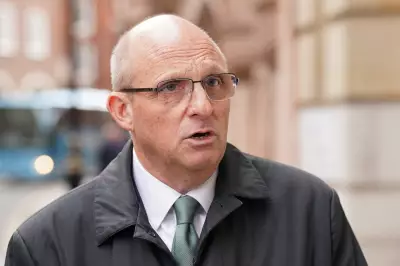
The International Rescue Committee's country director for South Sudan, Richard Orengo, confirmed that "intensified fighting and the militarization of key areas have forced the suspension of services." Medical organisation Doctors Without Borders, known as MSF, reported that the government has suspended all humanitarian flights. This drastic measure has effectively cut off the delivery of essential medical supplies, prevented staff movement, and halted emergency evacuations for critically ill patients.
MSF has identified at least 23 patients in urgent need of evacuation, including vulnerable children and pregnant women whose lives are now at immediate risk due to the inability to transfer them for specialised care. The situation on the ground is described as rapidly deteriorating, with civilian infrastructure being destroyed and families caught in the crossfire.

Food Security Crisis Looming as Rains Approach
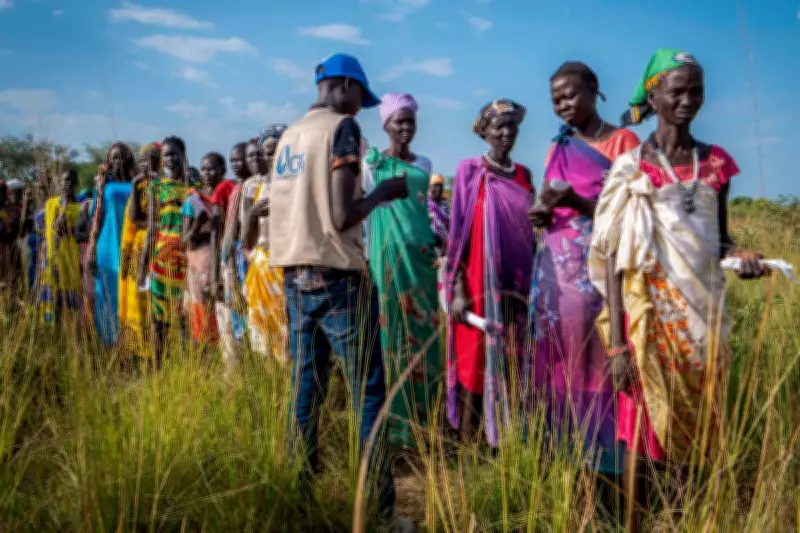
The World Food Programme, a United Nations agency based in Rome, has issued a stark warning that escalating violence threatens to sever food assistance to hundreds of thousands of people across Jonglei. Nearly 60% of the state's population is projected to face crisis-level hunger during the upcoming rainy season, which typically renders access roads impassable.
Humanitarian organisations emphasise that the current violence has prevented the crucial early delivery of aid stocks before the rains begin, creating a perfect storm of logistical challenges and security threats. The combination of natural barriers and man-made conflict is pushing one of South Sudan's most fragile regions toward potential collapse.
Civilian Displacement and Alarming Rhetoric
The renewed clashes have displaced more than 230,000 people since December according to the UN Office for the Coordination of Humanitarian Affairs. Civilians are bearing the brunt of the fighting between government forces and opposition fighters loyal to the Sudan People's Liberation Army–In Opposition, with homes destroyed and families repeatedly forced to flee.
The United Nations Commission on Human Rights in South Sudan has expressed "grave alarm" at developments that significantly heighten the risk of mass violence against civilians. This concern follows inflammatory rhetoric from a senior army commander who urged troops advancing in Jonglei to "spare no lives." The opposition has described these comments as an "early indicator of genocidal intent," while government spokesman Ateny Wek Ateny called them "uncalled for" and "a slip of the tongue."
Political Implications and International Response
This renewed conflict places South Sudan's fragile 2018 peace agreement under severe strain and intensifies political tensions ahead of the country's first general election scheduled for December. The fighting raises fears of a slide back into full-scale war after eight years of tenuous peace.
UN Secretary-General António Guterres has called on all parties to immediately halt the fighting, protect civilians, and ensure safe humanitarian access. He emphasised that South Sudan's crisis requires a political, not military, solution. As forces loyal to opposition leader Riek Machar, alongside allied "White Army" fighters, make gains against government troops, the international community watches with growing concern about the humanitarian consequences and regional stability implications.