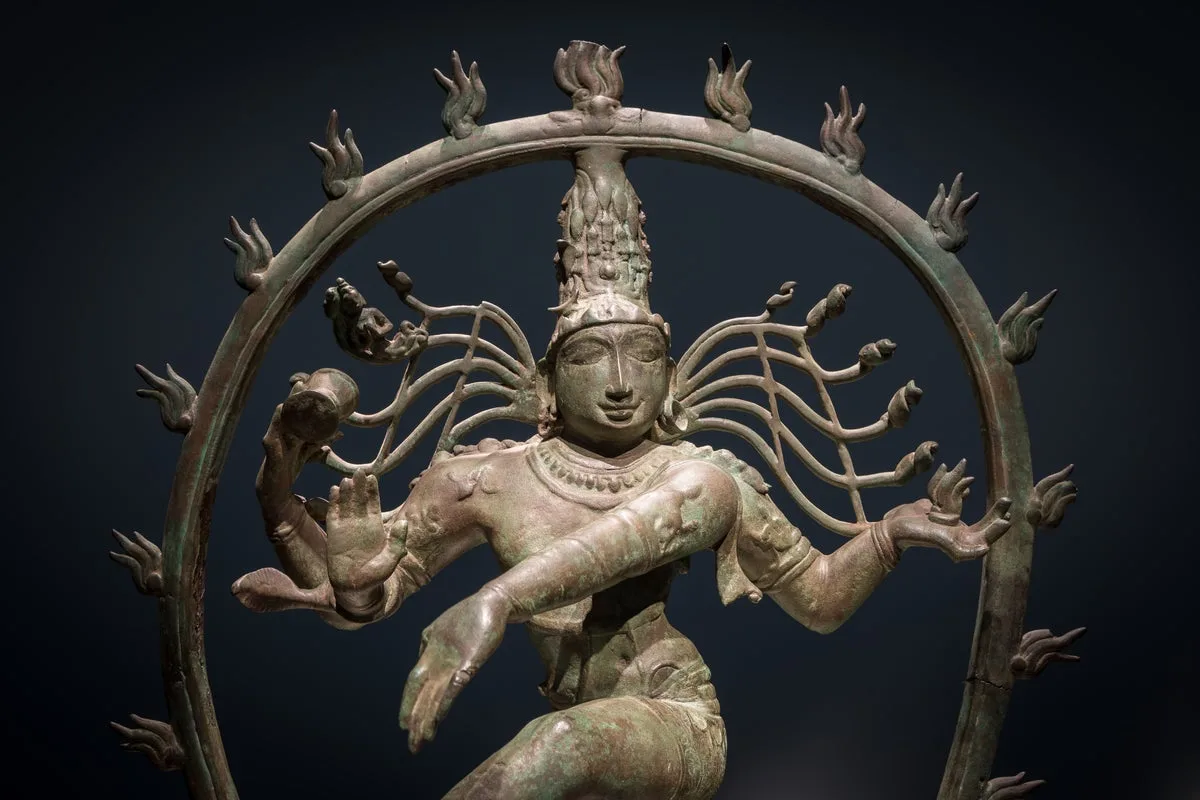
The Smithsonian's National Museum of Asian Art has announced it will return three medieval bronze sculptures to India after an internal investigation confirmed they were illegally removed from temples in Tamil Nadu. The artefacts include a 10th-century Shiva Nataraja, a 12th-century Somaskanda statue, and a 16th-century image of the poet-saint Sundarar with his consort Paravai.
The decision followed extensive research into the sculptures' origins, involving archival records, dealer documentation, and photographic evidence. Images from the French Institute of Pondicherry placed the bronzes in Tamil Nadu temples between 1956 and 1959, confirming they were removed without authorisation in the mid-20th century.
The Shiva Nataraja, depicting the Hindu deity as the cosmic dancer, will remain on display in Washington as a long-term loan from India, allowing the museum to share its full history transparently. However, this arrangement has sparked controversy, with Vijay Kumar of the India Pride Project arguing that temple bronzes are not state property and that the government lacks authority to lend them. The Nataraja was stolen from the Tirutturaipoondi temple, which is ready to receive it.
The museum acquired the Nataraja in 2002 from the Doris Wiener Gallery, which provided falsified documentation to facilitate the sale. Researchers found that Wiener had purchased the sculpture in 1973 from a London gallery, after India's Antiquities and Art Treasures Act prohibited export of antiquities without authorisation, but claimed the purchase occurred in 1972.
The other two bronzes will be handed over to the Indian embassy in Washington for return. They were part of a collection donated to the Smithsonian in 1987 by Arthur M Sackler. Photographs from the French Institute of Pondicherry showed the Somaskanda at the Visvanatha Temple in Alattur village in 1959 and the Sundarar statue at the Shiva Temple in Veerasolapuram village in 1956.
Museum director Chase F Robinson said the return reflects the institution's commitment to ethical collecting and transparency. The move comes as British institutions face ongoing pressure to repatriate artefacts acquired during the colonial era.